Antibiotic Withdrawal Times and Milk Discard Rules
How antibiotic withdrawal times work on a dairy, why extra-label use changes them, and the records and habits that keep treated-cow milk out of the bulk tank.
Mastitis, lameness, metabolic disease, vaccination, parasites, biosecurity and when to call the vet.
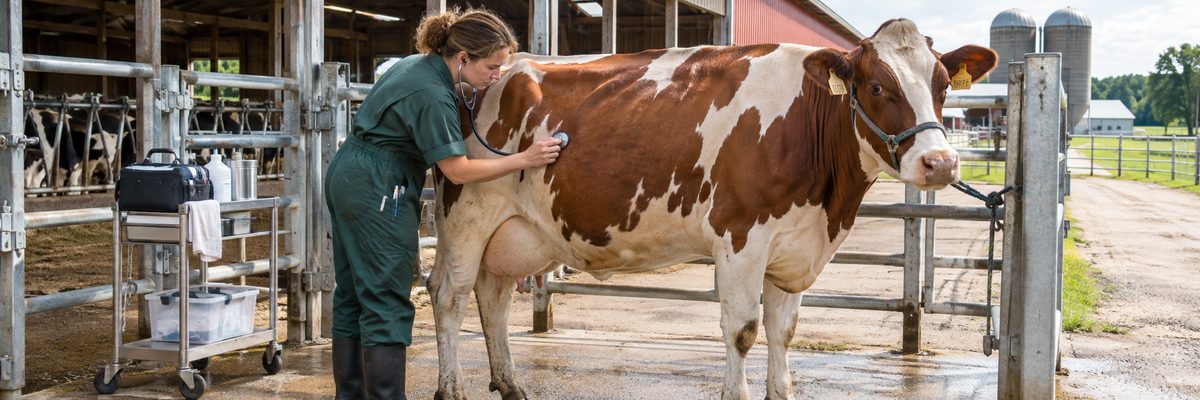
How antibiotic withdrawal times work on a dairy, why extra-label use changes them, and the records and habits that keep treated-cow milk out of the bulk tank.
What H5N1 bird flu looks like in dairy cows, how testing and reporting work, and the biosecurity steps that protect your herd, milk and the people who work with it.
How ear-notch testing finds persistently infected BVD animals, who to test, what a positive means, and how to keep the virus from walking back onto your dairy.
Frothy bloat on lush legume pasture and free-gas bloat from a blocked esophagus need different responses. Learn the signs, the emergency steps and prevention.
Write a practical dairy biosecurity plan that covers visitors, milk and feed trucks, shared tools and new animals, with a simple checklist you can post in the barn.
How to build a written clinical mastitis protocol with your vet: grading cases, sampling, treating selectively, recording withdrawal times and when to cull.
Bloody scours in a heifer or cow? Learn how coccidiosis shows up in older dairy animals, how it is confirmed, and how to break the cycle in pens and on pasture.
Bovine leukosis virus spreads through blood, not just manure or milk. See the main risk points, the four control options and the low-cost habits that cut spread.
See how vaccine timing typically shifts from calves to heifers, close-up cows, milking cows and bulls, and what to settle with your herd vet before you buy a thing.
How to recognize digital dermatitis (hairy heel warts) in dairy cows, what footbaths and topical treatment can and cannot do, and how to keep it from spreading.
How to recognize a left or right displaced abomasum in a fresh cow, why the right side is more urgent, and how surgical and rolling fixes compare.
Do rumination monitors catch sick cows early? How collars and ear tags build alerts, where they help most, where they miss, and what to ask before you buy.
A cow that will not rise needs a cause found fast and careful nursing. Learn what to check, how to make her comfortable, safe lifting, and when to call it.
How to tell environmental mastitis from contagious mastitis, the bugs behind each, the clues in your records and the control steps that fit the real cause.
A fecal egg count shows how many worm eggs a group is shedding. Learn who to sample, how to collect, what the numbers can tell you, and how to check a dewormer.
Fly control on a dairy starts with wet manure, spilled feed and damp bedding. See how sanitation, traps, baits and parasitic wasps fit barns and calf hutches.
A daily fresh cow check for the first 10 days after calving: temperature, appetite, rumen fill, manure, milk and ketones, with trigger points for calling the vet.
Hardware disease happens when a cow swallows a nail or wire that punctures the reticulum. Learn the signs, how magnets help, and how to keep metal out of the ration.
Ticks, environmental mastitis, foot problems and heat stress all get worse in wet, humid weather. Here is how Southeast dairies keep them in check.
A simple yearly herd health plan for a few cows or goats, covering the vet relationship, vaccines, dry-off, hooves, records and when to pick up the phone.
Seven herd health myths that cost dairy farmers money, from dumping treated milk to home remedies and last-minute colostrum, and what to do instead with your vet.
How to run a dairy footbath: size and placement, copper sulfate and formalin concentrations from extension, change-out by cow count, safety and disposal basics.
How often to trim dairy cow hooves: a practical schedule by housing, herd size and cow stage, plus how to pick a trimmer and avoid over-trimming.
Few food animal vets in your area? Learn where to look, what to ask, how to become a client worth keeping, and what to do before the emergency call at midnight.
When to euthanize a suffering dairy cow, who should do it, which methods are accepted, and how to plan ahead so the decision is made calmly and in time.
Which worms matter on dairies, which animals benefit most from deworming, how fecal testing guides the decision, and how resistance and milk rules change the plan.
What internal teat sealants do at dry-off, which cows benefit, how to infuse one cleanly, and the mistakes that turn a protective plug into a new infection.
How Johne's disease spreads from adult manure to newborn calves, which tests find it, and the calving pen, colostrum and replacement habits that keep it in check.
What to write down every time you treat a cow, how to store it, and how to keep treatment records tidy enough for a milk inspector, a processor or your own vet.
Learn how to find ketosis in early lactation cows with cow-side tests, what treatment usually involves, and the feeding steps that cut down on repeat cases.
Leptospirosis can cause abortions, weak calves and repeat breeders, and it can spread to people. Learn the signs, how vaccines fit in and how to protect your crew.
Learn how to locomotion score dairy cows on a five-point scale, where to watch, how often to score and what to do with the numbers once you have them.
Learn how manure scoring dairy cows works: the 1 to 5 scale, what color, consistency and content hint at, and when a score should send you to the nutritionist.
Metritis and endometritis are both uterine infections but differ in timing, signs and treatment. Learn how to tell them apart and when to call your vet.
Normal dairy cow temperature, pulse and breathing rate, how to take each one safely in the barn, and which readings should send you to the phone to call your vet.
How on-farm milk culturing works for mastitis: sampling clean, reading plates, what results mean for treatment, and where a lab or PCR is still the better call.
Pinkeye spreads fast in calves, heifers and dry cows. See the early signs, when to call the vet, how treatment and withdrawal work, and how to cut fly irritation.
Signs of pneumonia in lactating dairy cows, what else can mimic it, why barn air and stress matter, and when to call the vet for a diagnosis and treatment plan.
Set up a quarantine for purchased and returning dairy cattle: how long, where, what to test, how to chore it, and when an animal can finally join the herd.
When a retained placenta needs treatment and when to leave it alone, why pulling it out is a bad idea, the risk factors, and how to prevent repeat cases.
Selective vs blanket dry cow therapy compared: what each means, how herds decide which cows get antibiotics at dry-off, and what records and housing it takes.
How to size, bed, water and manage a dairy hospital pen so sick cows recover faster, treated milk stays out of the tank, and disease stays out of the herd.
How to spot clinical and subclinical mastitis in dairy cows, from flakes in the foremilk to a bulk tank SCC that creeps up, and when to stop and call the vet.
How to spot milk fever in fresh cows, the three stages from twitchy to flat out, what to do while you wait on the vet and how to cut down on cases.
What sole ulcers and white line disease are, why they hit fresh cows hardest, how a proper trim and block treat them, and how to stop repeat cases.
Learn the herd-level signs of SARA, including milk fat dips, loose manure and poor cud chewing, plus the feeding and bunk fixes that settle the rumen.
A summer herd health checklist for Southwest dairies: heat stress, fresh cows, water, flies, dust, mastitis and hooves when triple-digit days keep coming.
A VCPR is the legal footing that lets a vet prescribe and supervise drugs for your herd. See what it involves, how to keep it valid, and why phone-ins may not count.
The main causes of lameness in dairy cows, from sole ulcers and digital dermatitis to flooring, stall design and ration, and where to look first on a lame cow.
How to budget routine vet visits, vaccines, testing and treatment per cow, which costs swing most by herd size and region, and how to track what you really spend.
Clear warning signs that mean call the vet now, the ones that can wait a few hours, and the checks to run first so your phone call gets a useful answer.
A practical winter herd health checklist for Upper Midwest dairies: frostbite, pneumonia, ventilation, water, bedding, fresh cows and calves when the thermometer drops.