Bloat in Dairy Cattle and What to Do
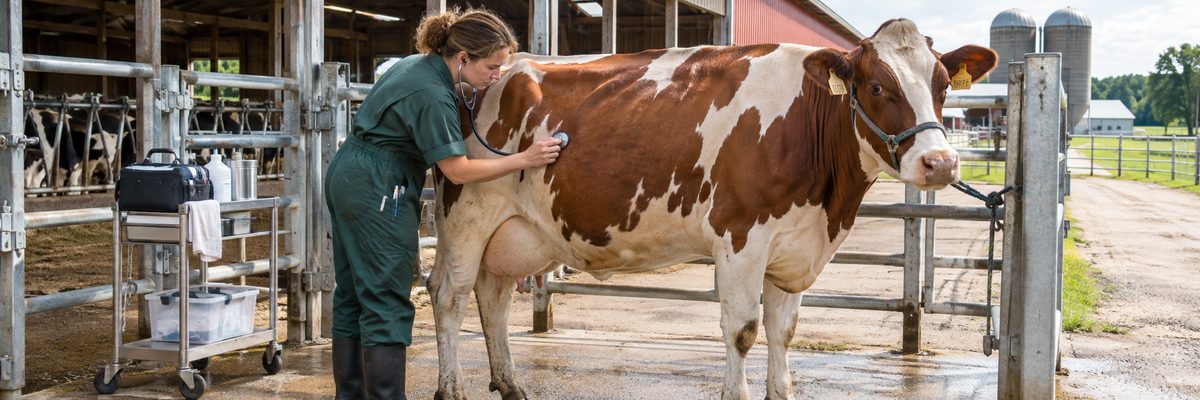
Bloat is gas the cow can't get rid of. A cow normally belches constantly, venting the gas her rumen makes as it ferments feed. When she can't, the left side swells up like a drum, pressure builds against her lungs and heart, and she can go from fine to dead in a few hours. It's one of the genuine emergencies on a dairy farm, and fast action matters more here than almost anywhere.
If you see a cow with a hard, swollen left side, standing stiff, stretching her neck and breathing with her mouth open, call the vet immediately and tell them it's bloat. Then keep her on her feet and calm until help arrives. This is not a wait-and-see problem, and it isn't one where good intentions with a pocketknife help anybody.
The good news is that most bloat is preventable, and the usual causes are easy to name: lush legume pasture, sudden diet changes and something stuck in the throat.
Two kinds of bloat
Frothy bloat
In frothy bloat, the gas gets trapped in a stable foam mixed through the rumen contents, so the cow can't belch it out. This is the form you see on pasture, especially legumes such as alfalfa and clover. Fast-growing, lush plants are high in soluble protein and digest quickly, and they produce foam. Cows moved onto bloat-prone pasture can start swelling within an hour, and it often shows up on the first to the third day. Frothy bloat also shows up occasionally on high-grain rations, particularly with finely ground feed and low roughage.
Free-gas bloat
In free-gas bloat, the gas collects separately in the top of the rumen, but something blocks it from coming out. The usual culprit is an obstruction in the esophagus, such as an apple, potato, beet or turnip lodged in the throat. It can also come from conditions that stop the belching reflex, including low blood calcium and cows lying on their sides or cast awkwardly. A fresh cow with milk fever may bloat as a side effect.
The difference matters because treatment differs. Gas that's free can be released by passing a tube. Foam won't come out the same way, and it's treated with anti-foaming products instead.
Signs to watch for
- Swelling on the left side, high up behind the last rib, that can become tight enough to bounce your fist off.
- Restlessness, kicking at the belly, getting up and lying down repeatedly.
- Standing with legs spread and head stretched out.
- Labored breathing, open-mouth breathing, drooling or a protruding tongue.
- Stopping eating and rumination.
- In severe cases, staggering and collapse.
Lactating cows get watched at every milking, so they usually get caught. Dry cows, heifers and cows out on pasture are the ones found dead, which is a sobering way to learn a rule. Check pasture groups regularly after any move.
What to do in the first few minutes
- Call the vet and say "bloat." Most vets will tell you what to do while they're on the way, and in a life-or-death case, they may walk you through steps by phone.
- Keep the cow on her feet. Standing, ideally with her front end higher than her back, helps her breathe and may help her release gas. Don't chase or run her. Gentle walking is okay if she's able, but excitement makes it worse.
- Look for a choke. If she's drooling, coughing and stretching her neck, and you can see or feel a lump in her throat, tell your vet. That's free-gas bloat, and the treatment is different.
- Don't force drenches into a cow that isn't swallowing well. You can put liquid into her lungs.
- Keep her from lying down flat. A recumbent bloated cow is in more trouble.
- Remove the cause. Pull the group off the bloat-prone pasture and give them dry hay while you wait.
Treatment from there is the vet's job. For free-gas bloat, a vet may pass a stomach tube to release the gas or relieve an obstruction. For frothy bloat, the vet may use anti-foaming agents given through a tube, and in the worst cases, an emergency surgical opening into the rumen, which is a last resort when the cow is about to die. Emergency puncture of the rumen is not a casual step; it risks peritonitis and can be fatal even when it works, so it's a life-saving measure, not a first reach. Follow the vet's directions on any drug, and ask about withdrawal times and milk discard for anything given afterward.
After a cow recovers, keep her in a quiet pen, watch her appetite and rumen function, and keep her under observation. If she has other problems, such as milk fever or an obstruction, the underlying issue still needs fixing. A cow that is bloated and also off feed in other ways may be dealing with something else; displaced abomasum is a different gas problem, and so is hardware disease.
Preventing pasture bloat
Pasture bloat is the one that takes whole groups, so prevention is worth the effort. There's a full rundown in bloat risk on clover and alfalfa pasture, and these are the main points:
- Fill cows with dry hay before turnout. Hungry cows gorge, so don't put them onto lush legumes on an empty stomach.
- Introduce legume pasture gradually. Short first sessions, with more time each day, give the rumen time to adjust.
- Be careful with timing. Risk is highest on lush, rapidly growing legume stands in the vegetative and early bud stage, and on wet or frosted fields. Some herds avoid turning out when the forage is wet with dew or rain.
- Mix grass in. Pastures that are mostly grass with a modest legume share carry less risk than pure alfalfa or clover.
- Use bloat-control products where appropriate. Anti-foaming agents can be supplied in feed, water or by other methods, and some are labeled for lactating dairy cattle. Check the label, and ask your vet or nutritionist which fits your herd and your organic status, if you are certified.
- Don't forget the fence. Cows that break into a field of alfalfa find it without any assistance. Fix the gate before it's needed.
- Know your forages. Some legumes with condensed tannins, such as birdsfoot trefoil, are much less likely to cause bloat. Ask your extension agent about options for your region.
Regional note: the risk is real for grazing herds in the Northeast, Upper Midwest, Pacific Northwest and anywhere with clover-rich pasture, especially in spring flush. Southwest and Mountain West dairies on irrigated alfalfa have their own pressure points in hay, particularly when cows are fed lush or fresh-cut legumes.
Preventing bloat on grain-heavy rations
- Keep enough effective fiber in the ration so that the rumen has structure and the cow chews.
- Avoid finely ground feed and sudden jumps in grain.
- Manage the bunk so cows don't binge after a long gap. Subacute ruminal acidosis and bloat often share causes.
- Keep produce, cull vegetables and fruit chopped, or away from cows that might choke on them.
Goat and sheep dairies get bloat too, and the signs and prevention carry over, though dosing and treatment for small ruminants is for your vet to decide. The Merck Veterinary Manual page on bloat in ruminants is a reliable reference for the details.
Quick answers
How fast can a cow die from bloat?
Severe bloat can kill within hours, and sometimes faster. That's why a visibly bloated cow is a call to the vet right away, not at the end of milking.
Can I give oil or baking soda from the kitchen?
Don't improvise. The wrong product or method can end up in the lungs, and some home remedies do nothing against a real foam. Ask your vet what's right for your cow and how to give it.
Why did only a few cows bloat out of the group?
Individual cows vary in how they respond to the same pasture, and the ones that gorge or have the least rumen adaptation are at higher risk. Treat the whole group as at risk, though, because the next cow may be the one that doesn't get noticed.