The Veterinary Client Patient Relationship on Dairies
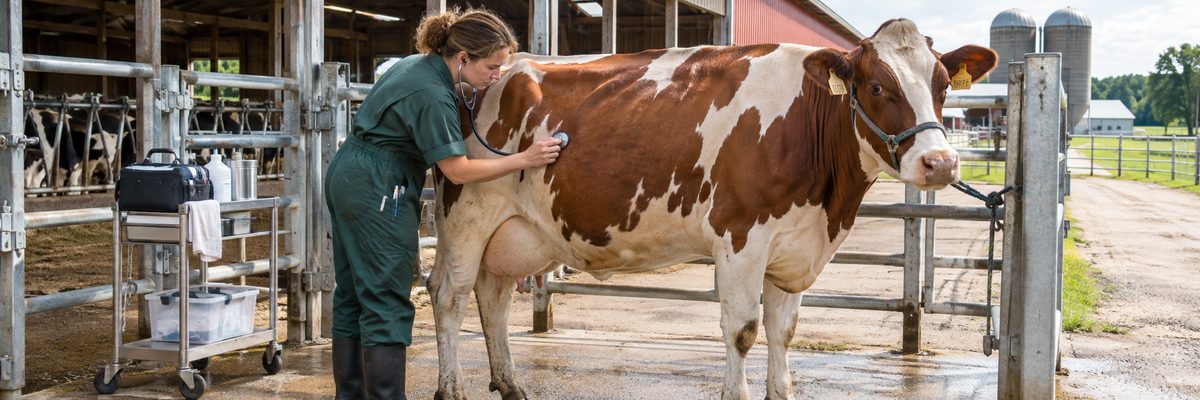
The veterinary client patient relationship, or VCPR, is the working arrangement that lets a licensed veterinarian make medical judgments about your animals and authorize prescription drugs for them. In plain terms: the vet knows your herd well enough to be responsible for it, you agree to follow the vet's instructions, and the vet is available to follow up. Without a valid one, a vet generally cannot legally prescribe or authorize a prescription or feed-based medication for your cows.
What counts as a valid VCPR is set by state law, and some states use the federal definition for certain medicated feed orders. So the short version for the farm is this: get a vet who has actually seen your herd, keep that relationship current, and do not assume a phone call alone makes one.
It is not paperwork for its own sake. It is the difference between "my vet knows these cows" and "a stranger on the phone is guessing about a cow that does not exist yet."
What a VCPR includes
The wording varies, but most definitions share the same pieces. The veterinarian takes responsibility for the medical judgments about the animals and how they will be treated. The vet has enough knowledge of the animals to start a general or preliminary diagnosis, which usually means having examined them or visited the premises recently enough to know the herd. The client agrees to follow the vet's instructions. And the vet is available, or arranges for someone to be, to follow up if there is a problem with the treatment.
The American Veterinary Medical Association keeps a page on the veterinary client patient relationship if you want the profession's own explanation. For legal specifics, your state veterinary board and your vet are the real authority.
Why the wording differs by state
States license veterinarians, so each one writes its own definition. The FDA keeps a page explaining whether the state or federal VCPR definition applies to a medicated feed order, since the answer differs from state to state. If a state's definition does not include the key elements of the federal one, the vet has to work within the federal definition instead. You do not need to memorize any of it. You need to ask your vet what applies in your state.
Why you need one
Prescription and extra-label drugs
Many of the drugs dairy farms rely on, including some mastitis products, anti-inflammatories and injectables, are available only through or on the authority of a licensed veterinarian. If a drug is used in a way that is not on its label, that decision rests with a vet, and the VCPR is the basis for it. Extra-label use in dairy cows also brings long and sometimes unusual milk discard times, which is one more reason this is a vet decision, not a farm one. For general background, read antibiotic withdrawal times and milk discard rules.
Medicated feed
The FDA's Veterinary Feed Directive requirements for producers say that feed containing a VFD drug can be used only under the professional supervision of a licensed veterinarian, and that a producer has to get a VFD order from the vet before getting the feed. The VCPR is the basis of that supervision. If your feed mill or nutritionist asks for a VFD before delivering a medicated ration, that is the reason.
Milk and food safety
Treatment decisions on a dairy end up in the bulk tank. A treated cow's milk has to be kept out of the supply for the right length of time, and residue testing at the plant is not forgiving. A vet who knows your herd, your protocols and your records helps keep your milk check intact.
Health certificates, testing and reporting
Interstate health papers, disease testing programs and any report of unusual illness typically run through a vet who has examined your animals. It is simpler when they already know your farm.
Keeping the VCPR valid
A VCPR is not a one-time thing. Many states expect the vet to have seen the animals or the herd within a recent period, which varies, so plan on at least a regular herd visit. A simple way to stay in good standing:
- Schedule a routine herd visit on a regular rhythm, such as monthly or every other month, depending on herd size and your vet's advice.
- Have your vet review and sign off on written treatment protocols for common problems.
- Give your vet the records they need: treatments, culls, deaths, test results.
- Call when something changes, and follow the instructions you were given.
- Know who covers for your vet on nights and weekends.
Written protocols are what let a trained crew treat common problems the same way every time. If your cows have never had a protocol written, ask your vet to build one around your farm and update it as you learn what works. The protocol also gives you a consistent answer when someone asks, as they will, "what do you do for a cow like that?" Some of the common decisions are covered in clinical mastitis treatment protocol.
Where telemedicine fits
Phone and video consults can be a great tool, especially if your vet is far away. Whether a VCPR can be established that way, and what it can authorize, depends on your state. Some states require an in-person exam or farm visit first. Treat telemedicine as a supplement to a relationship that already exists, unless your vet and state law clearly say otherwise.
If your area has few food animal vets, finding a large animal vet for your dairy covers where to look and what to ask.
Common mistakes
- Assuming the vet who saw your cows two years ago still has a valid VCPR.
- Using leftover drugs from an old treatment on a new problem without calling.
- Buying prescription products from an unlicensed source.
- Skipping the treatment records. A good VCPR needs a paper trail. Treatment records that pass an inspection shows what to keep.
- Treating the VCPR as a hurdle to clear rather than a partner who might catch a problem you missed.
The vet is probably not the villain here. Most of them would rather prescribe the right thing than watch the wrong thing happen. They just need to have met the cow, or at least her herd.
Quick answers
Can I get antibiotics for my herd without a vet?
Many antibiotics now require a veterinarian's prescription or authorization. A valid VCPR is the base for that. Ask your vet which products are covered and what records you must keep.
Does a VCPR last forever once it is set up?
No. It has to be kept current, and the specifics depend on your state. Regular herd visits and open communication are the simplest way to keep it valid.
Can one vet's VCPR cover a different vet in the same practice?
Often the relationship is with the practice or a vet who is responsible for your herd, but this varies by state. Ask your vet how coverage works when they are away.