Keeping Treatment Records That Pass an Inspection
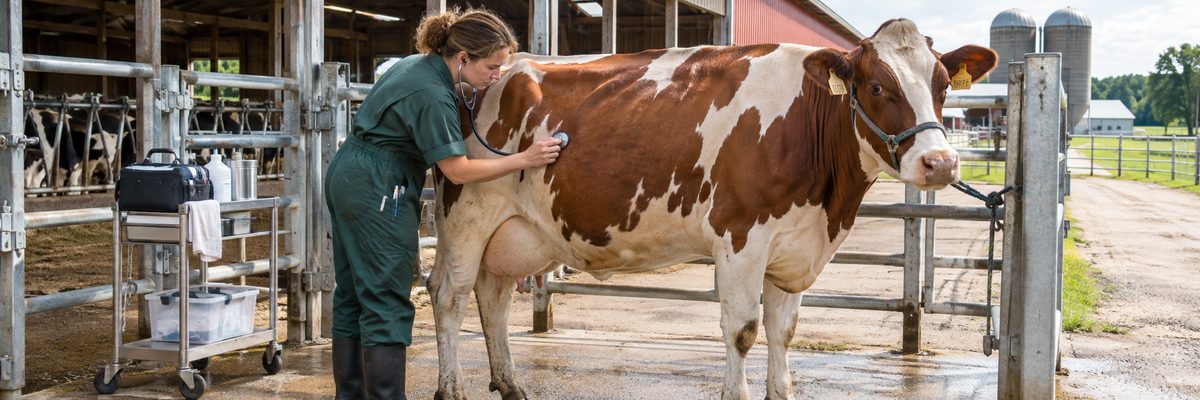
Good treatment records answer four questions without anyone having to remember anything: which cow, what was done, who did it, and when her milk or meat is clear. If the person reading your records can answer those in under a minute, you are in good shape. If the answer lives in the head of the one guy who is on vacation, you are one rejected load away from learning why people keep notebooks.
Records matter for three reasons that rarely compete: they keep residues out of the milk, they show an inspector or a buyer that you run a careful operation, and they help you and your vet figure out what is working. Cow health records are also how you find out whether the "miracle" treatment that everyone swears by is actually getting cows back in the string.
What every entry should capture
Different programs ask for slightly different details, but a solid entry nearly always includes these:
- Cow identification. Her number, plus a second identifier if you have one, such as a tag number and a registration name. Two cows named Daisy are a documented human error waiting to happen.
- Date and time of treatment. The time matters when withdrawal periods are counted in hours.
- Reason for treatment. Mastitis in a specific quarter, metritis, lameness, pneumonia, a displaced abomasum. Use the same terms every time so you can count cases later.
- Product used. Brand or name, and the lot number and expiration date where practical.
- Amount, route and number of treatments. Record what was given according to the label or the veterinarian's written instructions. Do not copy numbers from a neighbor's notes.
- Who treated. Initials are fine if everyone uses the same set.
- Milk withholding date and meat withdrawal date. Two separate dates. Write both clearly.
- Outcome. Recovered, retreated, culled, died, or referred to the vet.
Cornell's drug residue avoidance module from the New York State Cattle Health Assurance Program is a good checklist-style reference on drug classes, label use and testing, and it is a handy one to hand a new herdsperson.
Paper, whiteboard or software
All three work. What does not work is a mix of all three, with half the information on each.
Paper cow cards and logbooks
Simple, cheap and fine for a small herd. Keep one master log in a place that stays dry. Use a pen that does not run when the barn gets damp, and write legibly enough that the vet can read it. Take a photo of the pages now and then. A calf-barn-sized coffee stain has ended more than one record.
Whiteboards and parlor boards
Great as a live "who is out of the tank" list. Terrible as the only record, because boards get wiped. Copy each day's board into the permanent log before you erase it.
Herd management software
Software is the best fit for bigger herds because it can flag a cow's clear date on the milking list, track events and print reports. The catch is that every entry still depends on a person typing it in. If entries go in two days late, you have a system that is accurately wrong. Read more about what to track and where when choosing a setup.
Records for the drug cabinet, too
Treatment records cover the cows. Your inventory covers the cabinet. Keep prescription and other drugs in a labeled space, away from feed and out of heat or freezing if the label requires, and keep expired products out of circulation. Hold on to the vet's written protocols and any prescriptions. If a vet prescribes something extra-label, the withdrawal instructions are supposed to come with it in writing, so file those with the animal's record. FDA's page on extra-label drug use describes why a valid veterinarian-client-patient relationship underpins this. The VCPR article covers what that relationship looks like on a dairy.
What inspectors and buyers look at
Who asks to see records depends on your milk market. State milk regulatory staff, your processor or co-op field rep, third-party audits and animal-care or antibiotic-stewardship programs may each ask for something different. Ask your handler and your state dairy agency what they expect, how long they want you to keep records and whether they have a required format. Retention periods vary, so do not rely on a number you heard at a meeting. The Grade A inspection checklist is a decent place to see what the routine visit tends to cover.
A few things inspectors and auditors commonly like to see:
- A written treatment protocol that your vet has reviewed, covering the common conditions on your farm.
- Records that match: a cow marked treated on the board should appear in the log, and the log should match the milk handling.
- A system for identifying treated animals that people on every shift can explain.
- Drug storage that is organized and free of expired product.
- Evidence that employees were trained, such as a signed sheet from a short meeting.
A weekly record check that takes ten minutes
Once a week, someone other than the person who did most of the treating reads the log against the pens. Are all the cows on the treated list still in the right spot? Are the clear dates correct? Are there gaps, like a cow who was treated three times and has no outcome? Fix gaps right away while people still remember what happened. A record repaired six months later with "best guess" language is worse than the gap.
Use the log to look at trends, too. If you notice a lot of retained placentas in one month or a run of mastitis in the same pen, it is a conversation with your vet, not a mystery. And if your protocol and your actual practice have drifted apart, update whichever is wrong. The residue prevention basics and the notes on withdrawal times and milk discard fit nicely with this routine.
Mistakes that make records fall apart
- Different people using different abbreviations for the same thing.
- Recording only the start date and never the clear date.
- Skipping the entry for "minor" treatments, which are often the ones that cause trouble.
- Not recording who is milking the treated cows, or which cows were moved.
- Keeping records so private that only the owner can find them.
Quick answers
How long should I keep dairy treatment records?
It depends on your state, your milk handler and any programs you take part in, so ask them directly. Many farms keep records longer than the minimum because they come in handy for herd health analysis.
Do I need records for treatments my vet gives?
Yes. Ask for a written copy or a clear verbal summary including the withdrawal dates, and add it to your log. Your vet will usually also keep their own records.
Is a notebook good enough for an inspection?
A clear, complete, current notebook can work, especially on a small herd. What matters is that it is consistent and that it matches what is actually happening in the barn.