On-Farm Milk Culturing for Mastitis Decisions
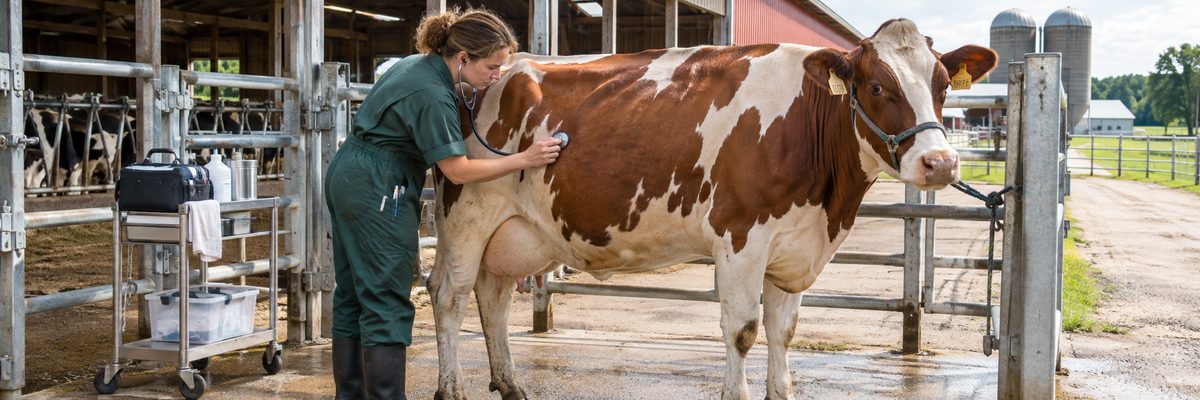
Treating mastitis without knowing the bug is a bit like fixing a rattle in the truck by replacing whatever's closest to the noise. Sometimes you hit it. Often you pay for parts you didn't need and the rattle comes back.
On-farm culturing gives you a quick look at what's growing in a quarter's milk, usually within a day. The University of Wisconsin dairy extension notes that diagnostics on the farm or at a lab can point to the likely pathogen within about 24 hours, and that the time and labor are often offset by less drug use and less discarded milk. Done well, it helps decide which cows get treated, which wait and which are probably never going to cure.
This article covers how culturing fits into a mastitis plan, how to collect a sample that gives a usable answer, and what to do with the result. Your vet still sets the plan.
Why bother with a culture
Three reasons come up again and again in extension material.
- Some cases need no treatment. The Wisconsin extension article puts the share of clinical cases with no bacterial growth at about 25 to 35 percent. In many of those the cow's immune system has already cleared the infection, so treating them offers little benefit.
- The bug changes the answer. The same article notes that Gram-positive infections tend to have higher cure rates with treatment, while Gram-negative and no-growth cases often resolve on their own.
- It protects the tank. Fewer unnecessary treatments mean less milk in the discard bucket, which is the part of the milk check you can see leaving.
Culture also turns up the cases you don't want to guess at. The National Mastitis Council's control program lists contagious pathogens such as Staph. aureus, Strep. agalactiae and Mycoplasma as organisms worth watching for, and recommends identifying the cause in clinical cases, high-SCC cows and fresh cows. Knowing which group you're dealing with feeds directly into sorting environmental from contagious mastitis.
Where culturing fits
Culture is one tool in a sequence, not the whole sequence.
- Detect. Foremilk check, udder check, CMT paddle or cell count flags a quarter. The signs of mastitis are the trigger.
- Grade. A severe case with a sick cow isn't a wait-for-culture situation. Call the vet and treat the cow.
- Sample. Collect clean milk before any treatment.
- Culture and read. On the farm or at a lab.
- Decide. Using the result, cow history and the written plan, as in a clinical mastitis treatment protocol.
Penn State Extension teaches this order in its on-farm course: start with the California Mastitis Test to find the affected quarter, then culture to identify the bacteria. The course covers preparing the cow for sampling, culturing the sample and identifying the type of bacteria causing the mastitis.
Collecting a sample that means something
Most bad culture results are bad samples. A quarter sample that picks up manure, hair or the milker's thumb grows a mixed plate and tells you about the barn, not the udder.
- Sample before treatment. Antibiotic residue in the milk can suppress growth and give a false no-growth result.
- Wash and dry the teat, then disinfect the teat end and scrub it with an alcohol-soaked swab. Follow the order your vet or lab teaches so your arm never reaches across a teat you've just cleaned.
- Discard the first few streams, then collect a small amount into a sterile tube held at an angle, without touching the rim to the teat.
- Label cow and quarter immediately. A tube without a label is a coin toss.
- Refrigerate or freeze according to what your vet or lab says if the plate won't go in right away.
The NMC control program asks for aseptic collection for exactly this reason. Wear gloves, change them between cows and keep your sampling kit somewhere other than the pocket where the sandwich lives.
Reading the plate
On-farm systems usually use plates with different media that favor different groups of bacteria, such as a Gram-positive section and a Gram-negative section. After incubation at the temperature the maker specifies, you look at which sections grew and how much.
| What you see | What it usually suggests | Decision to bring to the vet |
|---|---|---|
| No growth | Cow may have cleared it, or the pathogen needs different methods | Often no antibiotic needed in a mild case; confirm with your protocol |
| Gram-negative growth | Often an environmental organism | Many cases resolve on their own; severe cases need supportive care |
| Gram-positive growth | Streps, staphs and others, contagious or environmental | Where treatment is most likely to pay; identify further if the pattern repeats |
| Several types of colonies | Probably contamination | Resample, and look at how the sample was collected |
That table is a general guide, not a diagnosis. Reading plates takes practice, and a quick sit-down with the vet or a trained tech to compare your plates against the lab's results will teach more than any manual. Plenty of dairies assign this to one trained person, which beats rotating it through whoever is on shift.
What culturing can't do
- It doesn't replace a lab for tough pathogens. The NMC notes there is no effective treatment for Mycoplasma mastitis, and herds with clinical cases that resist therapy, especially several cows with multiple quarters affected and a recent animal purchase, need a lab or PCR test. The NMC publishes a fact sheet on PCR for diagnosing intramammary infections.
- It doesn't make decisions for you. A plate says what grew. Cow age, stage of lactation, cell count history and past cases still matter.
- It isn't instant. A cow with a severe case doesn't wait on a plate.
- A culture-negative quarter isn't always clean. Some infections shed bacteria on and off.
Setting up a simple culture station
A small area is enough: a clean surface, an incubator, a supply of plates and sterile tubes, a marker, and a place to log results. Keep it away from the milk house sink and out of reach of fly strips. Record each result next to the cow's treatment history so your treatment records carry the pathogen with them. The NMC program lists pathogen identification among the data worth recording for every clinical case.
Cost varies with plate type, incubator and how much time the person doing it has, so get a price from your vet or supplier. Wisconsin extension's framing is the useful one: the cost of culturing is judged against drug savings and discarded milk, not in isolation.
Mistakes to avoid
- Culturing after treatment has started.
- Treating by plate color alone with no input from the vet.
- Letting plates sit past the reading time until they all look like a science fair.
- Skipping the label.
- Taking a culture from a cow in a severe case and waiting for results before calling the vet.
Sources
Penn State Extension's On-Farm Milk Culturing for Mastitis Control course covers sampling and identification. The University of Wisconsin article A Smarter Approach to Mastitis Treatment lays out the reasoning for culture-guided treatment.
Quick answers
How long does an on-farm milk culture take?
Wisconsin extension says on-farm or lab diagnostics can identify the likely pathogen within about 24 hours. Check the instructions for your plate system, since reading times vary by product.
Can I culture milk from a cow that's already been treated?
You can, but the result may mislead you, because residues can suppress bacterial growth. Take the sample first when you can. If treatment already started, tell the vet so they can read the result with that in mind.
Do I still need a lab if I culture on the farm?
Often yes, for problem herds, repeat cases and organisms like Mycoplasma that on-farm plates aren't built to find. Your vet can tell you which cases to send out.