Herd Health Myths That Cost Dairy Farmers Money
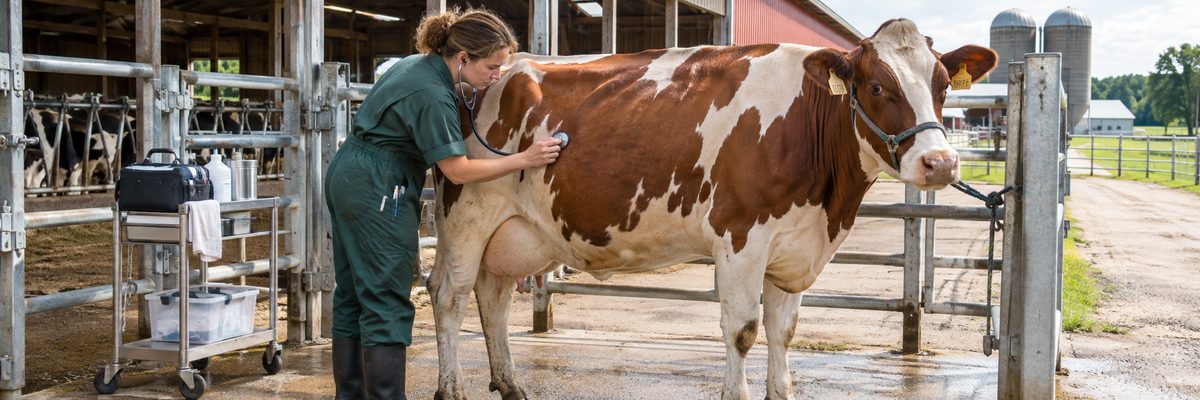
Most herd health myths are not stupid. They started with something that seemed to work once, got repeated at the co-op and the sale barn, and aged into fact. The trouble is that a wrong belief in a dairy barn is expensive in three ways at once: lost milk, a sicker cow and, now and then, a rejected tanker. Here are seven that deserve a second look, along with what to do instead.
Farm folklore is not just a barn problem, by the way. If you want to see the field side of the same habit, this farm.FM piece on agricultural myths that could cost you your crops pokes at advice that sounds scientific until you try to farm by it, and the same line between fact and folklore gets muddy in the parlor.
Myth 1: She looks fine, so her milk is fine
A cow's appearance has nothing to do with whether there is drug residue in her milk. Withdrawal times are set for the product and how it was used, and the clock runs from the last treatment, not from when she perks up. Cornell's drug residue avoidance module tells farmers to read and follow label directions and work with the herd vet to avoid milk and meat residues. A cow who is bright, eating and full of milk by day two is still on the clock, and the milk still goes down the drain. See antibiotic withdrawal times and milk discard rules for the system that keeps this from slipping.
Myth 2: A little treated milk gets lost in a big tank
Dilution is not a plan. Bulk tank loads are tested for beta-lactam drug residues, and processors may test for more. One cow's milk can be enough to cause a positive result, and the penalties and cost of a dumped load land on the farm. It is also a food safety rule, not a loophole to be negotiated. Treat every treated cow's milk as off limits until the vet's clear date, and put in place a system that does not rely on memory.
Myth 3: More antibiotics, faster recovery
Antibiotics help with bacterial infections that respond to them, and they do nothing against viruses or problems that are not infections at all. Cornell's module points out that judicious use saves money on drugs, labor, records and discarded product, and protects the ability to treat sick cows later. For mastitis in particular, knowing what is causing it matters, which is why on-farm culturing and your vet's input are covered in on-farm milk culturing and the clinical mastitis treatment protocol article. Nobody wins a prize for the longest treatment. Extra-label use is also regulated, and FDA explains the basic conditions in its page on extra-label drug use, which includes a valid veterinarian-client-patient relationship.
Myth 4: A home remedy works just as well
Folks have long swapped recipes for udder rubs, herbal drenches and anything that came out of a kitchen drawer. Some are harmless, some are a waste of time and a few can make a cow worse or contaminate milk. The common problem is delay: a cow with a real infection or a metabolic crisis loses valuable hours while the remedy is given a chance. If a home remedy is on the menu, run it by your vet first, especially for a cow whose milk is going in the tank, and especially on organic farms where certifier rules apply. Supportive care your vet recommends is fine, and the key phrase is "your vet recommends."
Myth 5: She is eating, so she is not that sick
Cows are prey animals and tend to hide illness until they cannot. Some conditions, like a developing displaced abomasum or early metritis, show up first as a small drop in milk or a cow who is a little quiet. Others show on the thermometer before they show anywhere else. Take a temperature on any cow who seems off and compare it to what is normal, which is covered in normal temperature, pulse and respiration. Remember that heat and exertion can raise a cow's temperature without infection, so use the number as one clue and not a verdict.
Myth 6: A vaccine makes her bulletproof
Vaccines reduce risk. They do not guarantee a cow will never get a disease, and they work only if the product is stored and handled properly, given at the right time and to animals that are healthy enough to respond. A vaccine dose that sat in a hot truck cab all afternoon, or one given the day before a stressful event, may not do what you paid for. Build a schedule with your vet that matches your herd's risks, and look at the dairy cattle vaccination schedule by age as a starting point for the conversation, not a prescription.
Myth 7: Colostrum can wait until the calf is hungry
A newborn calf's ability to absorb antibodies from colostrum drops quickly after birth, so waiting until she is "ready" can leave her short on protection, no matter how good the colostrum is. Early, clean, high-quality colostrum is the best calf health program there is, and it costs less than treating the pneumonia that comes later. The details are in how soon to feed colostrum to a newborn dairy calf.
How to sort myth from method
Whenever somebody tells you a health practice "always works," go through a quick filter.
- Where did it come from? A university, a vet school or a peer-reviewed study carries more weight than a friend of a friend.
- What does it cost if it is wrong? Cheap and harmless to try is different from risking milk safety.
- Does your vet agree? If your vet has not heard of it, ask. If your vet has heard of it and is wincing, listen.
- Can you measure it? Pick a before and after, such as bulk tank SCC, treatment rates or fresh cow problems, so you know whether anything changed.
- Is it legal and label-compliant? If it involves a drug, the answer must be yes.
The cow does not care about the story you tell about the treatment. She cares about whether it worked.
Quick answers
Is it okay to use leftover antibiotics from a previous treatment?
Only if your vet says so for that animal and that condition. Old product may be expired or the wrong choice, and the withdrawal time still applies.
Do natural products need withdrawal times?
That depends on the product, and "natural" is not a legal category that guarantees anything. Ask your vet, and for organic herds ask your certifier before using anything on a cow.
Where can I check whether a health claim is true?
Start with your herd vet and your land-grant extension dairy specialist, who can point you to research and tell you whether a claim holds up for herds like yours.