Quarantine Rules for New Cattle on a Dairy
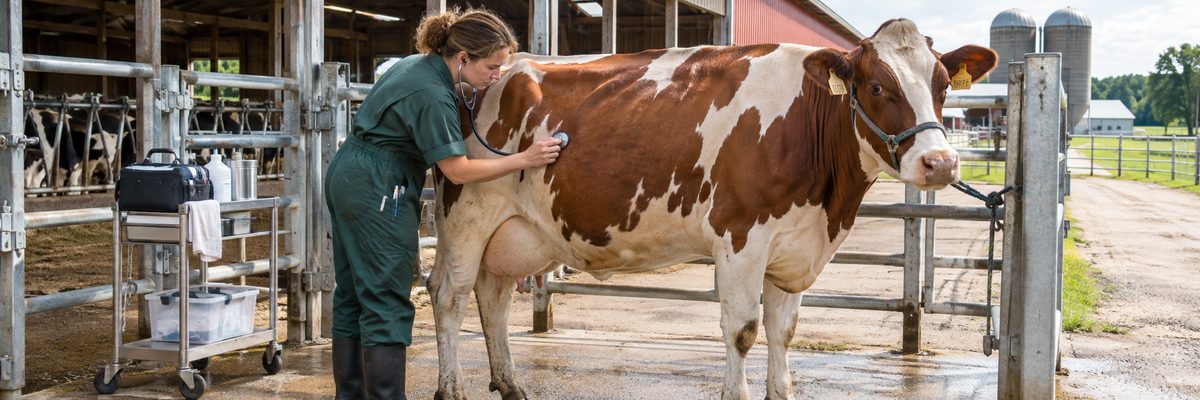
Every animal you buy comes with a health history you cannot see. Quarantine is the pause that gives you time to look, test and vaccinate before she shares air, water and a feed bunk with your milking herd. The usual advice runs about 21 to 30 days in a separate pen, with testing started the day she arrives, and your herd vet sets the final number based on what you are guarding against.
Quarantine alone does not do the job. Some of the worst herd diseases, including BVD carriers and contagious mastitis, do not show a thing in 30 days, which is why testing goes hand in hand with the pen. A new cow in isolation is not a guest. She is a question the lab has not answered yet.
Who goes into quarantine
Anyone who is new or has been away. That covers purchased cows and heifers, animals back from a custom grower, show animals, cows that went to the vet school or a sale barn and came home, and even a borrowed bull. The Wisconsin Department of Agriculture's dairy biosecurity guidance calls for a 30 day quarantine for new animals before they contact resident cattle. Minnesota's agriculture department, in its avian influenza guidance for dairy cattle, cites at least 21 days for new or returning animals.
Those are not conflicting numbers. They are different diseases and different advice. When avian influenza or other reportable disease is in play, your state veterinarian may have added rules for incoming cattle, so check before you buy, especially across state lines.
Where to put the pen
The Wisconsin sheet is clear about the setup. The quarantine area should be separate, and quarantined cattle should not share airspace with the resident herd, which cuts the risk of respiratory disease, and they should not be able to touch resident cattle, which matters for BVD. No shared feeders, waterers or grooming tools either.
A realistic dairy version looks like this:
- A pen or hutch area at the far edge of the farm, downwind of the herd if you can manage it.
- Its own feed bunk and waterer, and its own set of boots, gloves and tools hanging at the gate.
- A manure plan that keeps runoff and the skid steer from carrying quarantine manure through the milking herd's alleys.
- A way to milk her without putting the parlor at risk (more on that below).
A dry-lot corner behind the machine shed works fine if it is separate. A pen that shares a fence line with the fresh cows does not count as a quarantine. It is a very slow introduction.
What to do during quarantine
Take temperatures and watch appetite
Wisconsin's guidance suggests taking temperatures daily, or at least every other day, and having a veterinarian examine any fever. Normal adult cattle temperature is in a range of roughly 100 to 103 degrees Fahrenheit in Virginia Tech's cattle vital signs sheet, and if you want a refresher on how to take and read one, see normal dairy cow temperature, pulse and respiration. Shipping fever and pneumonia often show up in the first week or two after hauling, so the early days are the watch window.
Test early
Draw samples on arrival, not on day 29. Some results take weeks. Wisconsin's guidance lists BVD virus testing and testing for mastitis pathogens such as Staph aureus, Strep ag and Mycoplasma as priorities for purchased cattle, with bovine leukosis testing optional. Your vet may add or drop tests depending on what you are protecting. For more on those programs, read about BVD testing and persistently infected animals and Johne's disease testing and control.
Vaccinate so she matches your program
New animals should join the farm's vaccine program. Ask the seller for the vaccine types and dates, since killed vaccines usually need a two-dose primary series, then have your vet fill in the gaps. The timeline for that is in the vaccination schedule by age.
Milk her last
If she is already lactating, milk her last, use her own towels, and sanitize the milking equipment afterward. That is straight from the Wisconsin sheet and is common sense. A fresh cow carrying contagious mastitis can seed a parlor in a hurry.
A simple quarantine checklist
- Before purchase: ask for herd health status, vaccination records and somatic cell data. Skip animals from unknown sources and those mixed with many others.
- Before the trailer arrives: have the pen cleaned, bedded and ready.
- Day one: record ear tag, source, date, temperature. Pull samples your vet wants.
- Days one to quarantine end: temperature checks, appetite, manure, cough and nose discharge. Write it down.
- Vaccinate and treat for parasites per your vet's advice.
- Last day: review test results with the vet, then decide whether she moves.
- Clean the pen before the next animal.
Use the same sheet for animals coming back from the fair. They might have been to the county fair for a day and a half, but a day and a half is enough for a lot of coughing to be traded.
Buying smarter
Quarantine is the last line of defense, not the first. Buy from herds with a known health status and an effective vaccination program. Wisconsin's sheet prefers open heifers when buying, since they are easier to isolate and less likely to carry contagious mastitis. Asking for the seller's herd tests is not rude. It is a normal part of buying cattle.
When the price looks too good, ask why. A cow that is cheap because the seller is "going out of the business" may also be cheap because of something in her udder. A broader plan, covering trucks, visitors and shared tools, is in building a biosecurity plan for a dairy farm.
Mistakes that make quarantine useless
- Letting the quarantined heifer share a fence line with the herd.
- Doing quarantine chores first, then the herd, in the same boots.
- Ending quarantine on a calendar date even though a test result has not come back.
- Skipping quarantine for one cow because she came from a friend's farm. Friends have disease too.
- Not recording anything, so no one can tell later which cow brought what.
Quick answers
How long should I quarantine new dairy cattle?
Many extension and agriculture departments suggest roughly 21 to 30 days. Your vet may recommend longer depending on test results, the source and any disease alerts in your state.
Can I put a quarantined cow in with a group of other new animals?
Animals bought together from the same source can often be housed together, but animals from different sources should be kept apart. Ask your vet, because mixing sources defeats the point.
Do returning show animals need quarantine?
Yes. They have been exposed to cattle from many farms, so treat them the same as purchased animals. A short separate pen and daily temperature checks cost very little.