Digital Dermatitis Treatment and Control
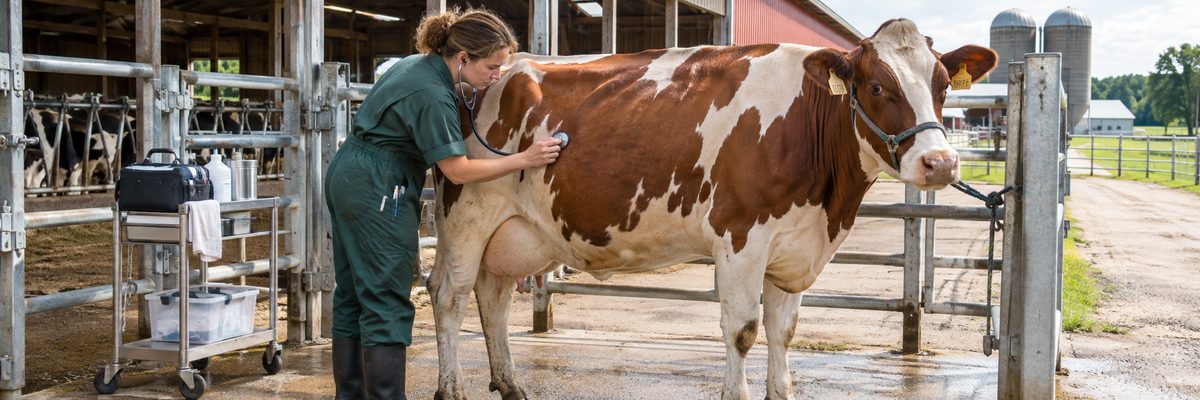
Digital dermatitis is the foot lesion that looks like something a cow shouldn't have: a raw, red, strawberry-like patch on the skin just above the heel bulbs, sometimes fringed with hair that gave it the name hairy heel warts. It hurts, cows hold the foot up or walk on their toes, and once it gets into a herd it rarely leaves.
The University of Wisconsin dairy extension puts the hard truth in one sentence: once a cow has digital dermatitis (DD) she can't be cured, only managed. That doesn't mean give up. It means the job is to treat open lesions, keep the herd's prevalence low and stop new cases from starting.
This article covers how to spot DD, how it spreads, what treatment and footbaths do, and what a control plan looks like. Product choices and treatment steps belong to your vet.
What it looks like
- A painful, red to gray-brown lesion, typically on the skin at the back of the foot between the heel bulbs, sometimes in the space between the claws.
- Lesions that bleed easily when touched and can have a distinctive smell.
- A cow that shifts weight, stands on her toes, kicks at her foot or is reluctant to walk. Some are lame, some are only a little off.
- Hair standing up around the edge of the lesion on some cases.
Lifting the foot is the only reliable way to check. Many farms inspect feet in the parlor, where a milker can look at rear feet while cows stand, or catch cows in a headlock for a quick look. A scoring system your vet teaches you can sort lesions into stages, which helps decide who gets treated and who gets watched.
Why it matters
Penn State Extension calls DD the most common type of infectious foot disorder and, citing a published economic model, says it was the largest cause of lameness and cost almost $100 more per case than other causes. The same article says a lameness case averaged around $337 in that study, and each extra week lame added more cost. Those are figures from one study. The point is that DD is expensive in milk, fertility and cow comfort, and expensive to ignore.
Wisconsin extension lists DD among the infectious causes of claw lesions that drive lameness, and what causes lameness in dairy cows puts it alongside ulcers and white line disease.
How it spreads and who gets it
Penn State says risk factors include housing cleanliness, poor biosecurity and parity. The disease can spread when barns aren't scraped regularly and cows stand in manure, and when new animals enter the herd. First-lactation animals are more likely to get it, because stress at first lactation affects immunity, and all cows are more likely to become lame after calving. The same article says Holsteins are the most susceptible breed.
In practice that gives you a short list of places to look:
- Manure and moisture. Wet, dirty floors and alleys. Scraping frequency matters. Flush, scraper and robot manure systems all can work, as long as they actually run.
- New arrivals. Purchased cows and heifers coming home from a custom grower are a common entry route. Quarantine rules for new cattle and a foot check at arrival fit here.
- Shared equipment. Cornell notes clean trimming equipment and owning your own table helps keep pathogens out, and a trimmer arriving with dirty gear can move DD between farms.
- Heifers. First-lactation animals are the ones Penn State flags as more likely to get DD, so check heifer feet before they join the milking string and again after calving.
Treating individual cows
Wisconsin extension says open lesions should be detected and topically treated before the cow goes through a footbath, and that you should consult your veterinarian about topical options. That ordering is worth remembering: footbaths prevent, topical treatment treats.
General education only here. Topical treatment generally means cleaning the foot and applying a product directly to the lesion, sometimes with a wrap, per your vet's instructions. Which product, how long and whether any milk or meat withholding applies come from the label and the vet. Don't mix your own cocktail from the shop shelf.
Cows with severe lameness, swelling above the foot or a fever need a vet exam rather than a spray bottle, since other conditions look like DD at first glance.
Footbaths: what they do
Wisconsin says footbaths are the most commonly used management tool for DD and that they are designed for disinfecting hooves and preventing DD, not for treatment. Details of recipes and schedules are in hoof bath recipes and schedules that work. The short version:
- Footbath dimensions matter. Wisconsin's guidance is at least 10 feet long so each hoof gets immersed about twice, with solution depth of at least four inches. A separate Wisconsin article on the ideal footbath describes a design 12 feet long, 24 inches wide and 10 inches step-in height.
- Solution strength, pH and how often you change it matter as much as the product.
- Dirty feet and dirty baths shorten how long a recharge lasts.
A quote worth keeping from Dr. Dörte Döpfer, University of Wisconsin School of Veterinary Medicine, appears in that Wisconsin article: a one-size-fits-all footbath protocol doesn't exist, and the goal is to bring herd disease prevalence down to a manageable state.
A control plan that fits a herd
- Find out where you stand. Have the vet or trimmer score a sample of cows' feet so you know the prevalence. A rough baseline beats a guess.
- Treat open lesions topically as the vet directs.
- Run a footbath program that is sized, placed and maintained properly.
- Clean up the floor. Scrape more often, fix the wet spots and stop cows standing in manure.
- Trim on a schedule, with clean tools. See how often to trim dairy cow hooves.
- Screen new animals before they join the herd.
- Re-score every few months and adjust. If prevalence isn't dropping, the problem is probably the floor or the footbath, not bad luck.
Regional notes
Wet climates and muddy seasons raise pressure: the Northeast spring thaw, Southeast humidity and West Coast winter rain all keep feet wet. Dry-lot herds in the Southwest see less constant moisture, though corrals around waterers and the parlor exit turn to slop fast. Grazing herds can see DD when lanes turn to mud. Winter cold in the Upper Midwest complicates footbaths too, and Wisconsin extension notes that formalin may not be effective below 50 degrees Fahrenheit, so read the label for temperature limits.
Mistakes to avoid
- Using the footbath as the only plan.
- Skipping lesion treatment and expecting a footbath to fix an open sore.
- Letting the bath become a manure tub. Copper and many other products are neutralized by organic matter.
- Bringing in cattle without checking their feet.
- Declaring victory when the lameness count dips for a month. DD is a marathon with unpleasant spectators.
Sources
University of Wisconsin dairy extension's Footbath Management article is the best single read on this topic. Penn State Extension's Lameness: It's Costing You covers risk factors and cost.
Quick answers
Can digital dermatitis be cured?
University of Wisconsin extension says a cow that has it cannot be cured, only managed. Lesions can heal and flare again, so the goal is to keep prevalence low through treatment, footbaths, clean floors and trimming.
Do footbaths treat digital dermatitis?
No. Wisconsin says footbaths are designed to disinfect hooves and prevent DD, not to treat it. Open lesions should be treated topically before the cow goes through, as your vet directs.
How did it get on my farm?
Common routes are new animals, shared equipment and wet, manure-covered floors. Penn State lists poor biosecurity and housing cleanliness among the risk factors, so a foot check on arrival and regular scraping are worth the effort.