Metritis vs Endometritis in Dairy Cows
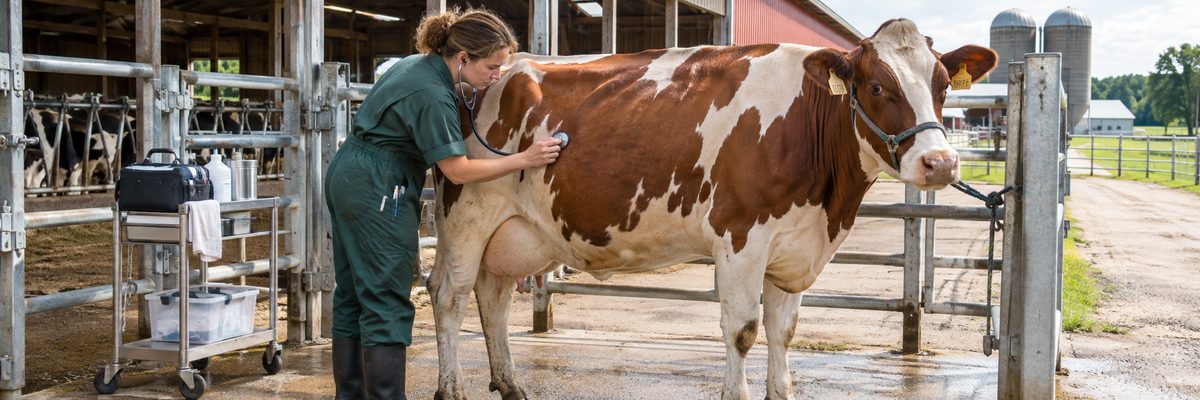
Both words mean an infected or inflamed uterus after calving, which is why they get mixed up. The difference that matters on the farm is timing and how sick the cow is. Metritis shows up early, in the first couple of weeks after calving, and the worst cases make the cow visibly ill. Endometritis shows up later, after about three weeks, and the cow usually looks perfectly healthy while her fertility quietly pays the price.
That split drives everything else: how you find it, whether it needs urgent treatment and what it costs you. A cow with severe metritis can go downhill in a day or two. A cow with endometritis may just not settle when you breed her, and you don't find out until the breeding records start looking like a bad week at the casino.
Treatment decisions on both belong to your vet, along with drug choices and milk discard. What you can do is spot the right cows at the right time and keep the records that let your vet make good calls.
Metritis: the early infection
Metritis is a common bacterial infection of the uterus in the first two weeks after calving. It's a mix of bacteria rather than a single bug, and every fresh cow's uterus has some contamination at calving. Most cows clear it. Some don't, especially those whose immune systems are run down by stress, low calcium, negative energy balance or a rough calving.
On most dairies, metritis shows up in somewhere between roughly one in ten and one in four cows during lactation, which is why it's one of the main fresh cow diseases to track. Risk factors include retained placenta, twins, stillbirths, assisted calving, first-calf heifers, low feed intake before calving, subclinical low calcium and poor hygiene around the tail head and vulva.
Two grades of metritis
Vets often separate metritis into two types:
- Acute puerperal metritis. An enlarged uterus with a fetid, watery, reddish-brown discharge and signs of systemic illness: fever, dullness, going off feed, dropping milk. This cow is sick, and she needs treatment.
- Clinical metritis. An enlarged uterus with pus-like discharge in the first three weeks, but without signs of systemic illness. These cows are not necessarily treated, depending on your vet's protocol and the herd's approach.
The fever threshold commonly used for metritis is a rectal temperature around 103 degrees Fahrenheit and up. That's why daily temperatures on fresh cows are worth the trouble. If you're not sure what's normal, review normal dairy cow vital signs.
Endometritis: the late, quiet one
Endometritis is inflammation of the uterine lining that hangs on or shows up after the early postpartum window. Clinical endometritis is generally diagnosed at three weeks or more after calving, when a cow has pus or a mix of mucus and pus in the vagina, but no signs of whole-body illness. She eats, milks and acts normal. Subclinical endometritis shows no visible discharge at all and is detected by lab cytology on a uterine sample, where a vet counts the inflammatory cells.
The main problem is fertility. Cows with endometritis tend to take longer to get pregnant and need more services per conception. Often it grows out of earlier trouble such as retained placenta, difficult calving or metritis, and an immune system worn down by negative energy balance appears to play a role.
Side by side
| Metritis | Endometritis | |
|---|---|---|
| When it shows up | First couple of weeks after calving | About three weeks or later after calving |
| How the cow looks | Often sick in the acute form: fever, dull, off feed, low milk | Usually normal, no systemic signs |
| Discharge | Foul, watery, reddish-brown in acute cases, or purulent in milder cases | Purulent or mucopurulent, or none in the subclinical form |
| Main cost | Milk loss, sick cow, risk of death or culling | Delayed conception, extra services, open days |
| How it's found | Fresh cow checks, temperature, discharge | Vaginal exam, discharge scoring or cytology at a reproductive check |
| Urgency | Acute cases need prompt treatment | Not an emergency, but affects breeding plans |
How to find them
For metritis
Build it into the fresh cow routine. Many herds take temperatures daily for the first ten days or so, look for abnormal discharge and watch appetite and milk. Cows with retained placentas, twins or tough calvings get extra attention. A good fresh cow check protocol is the backbone of catching metritis early, and a cow with a retained placenta goes on the watch list from day one.
For endometritis
Endometritis is found at the reproductive check, usually in the third to sixth week after calving, before the cow is due to be bred. Your vet may use a vaginal discharge collection device, a vaginoscope or a uterine sample for cytology. Not every herd checks every cow. Many check cows with known risk factors, or use a herd-level sample to see how big the problem is.
Treatment: leave the drug choice to your vet
Treatment differs for the two conditions, and it changes as research develops, so what follows is general.
Metritis. Cows with acute puerperal metritis usually get systemic antibiotics chosen by the vet, often with fluids, calcium or energy support and anti-inflammatory drugs depending on the cow. Only certain antibiotics are labeled for this use in the US, so extra-label choices are a veterinary decision, with a veterinarian-set withdrawal time. Cows with clinical metritis but no systemic signs may be watched or treated, depending on the herd protocol.
Endometritis. Evidence for treatment is more mixed. Some products and approaches that were popular for years have not held up well in studies, and some commonly used intrauterine treatments are discouraged by reviewers. Your vet will explain what's available and legal for your farm, and in some cases the right call is to let a cow cycle and be re-examined before the next breeding.
Whichever one you're dealing with, record treatments, cow IDs, and dates in your treatment records. Follow the withdrawal and discard times your vet gives you, and read up on antibiotic withdrawal times and milk discard so that nothing slips through at the bulk tank. A cow with a foul-smelling discharge is not a cow you want guessing about.
If a fresh cow has a fever, is off feed and has smelly discharge, that is a vet call that day. See when to call the vet for a sick cow for how to decide.
Prevention
- Clean calving areas. A dry, clean maternity pen with fresh bedding reduces uterine contamination.
- Calving assistance with clean technique. Wash the cow's vulva, use clean gloves and clean equipment, and don't pull until it's time.
- Calcium and energy management. Cows with low calcium or severe negative energy balance get sick more often.
- Selenium and vitamin E where needed. These help reduce retained placentas, which lowers metritis risk. Ask your nutritionist.
- Heat stress and stocking density. Hot, crowded close-up pens add stress, and the Southeast and Southwest see this most. Northeast and Upper Midwest herds often fight wet, cold maternity areas instead.
- Early detection. Daily temperature checks, a fresh cow routine and a reproductive exam at the right time catch cases before they cost much.
For clinical detail, the Merck Veterinary Manual has pages on metritis in production animals and endometritis in production animals.
Quick answers
Can a cow with endometritis still get pregnant?
Many can, but it usually takes longer and more breedings. Treating or rechecking her before breeding, as your vet advises, improves her odds.
Is metritis contagious to other cows?
Most cases come from common bacteria that every cow's uterus is exposed to at calving, not from one sick cow spreading it to others. Still, some uterine infections are tied to contagious diseases, so a cluster of cases is worth raising with your vet.
How can I tell metritis discharge from normal postpartum discharge?
All fresh cows pass some discharge, which should be mucus-like with little smell. A foul smell, a watery reddish-brown look or a cow that is sick alongside it is the red flag.