Dairy Cattle Vaccination Schedule by Age
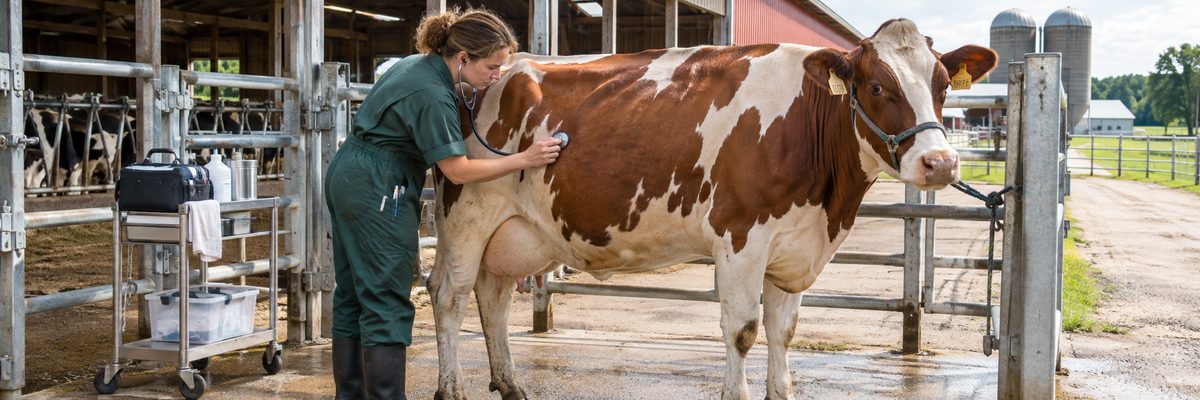
There is no single vaccination schedule that fits every dairy in the country. A 60-cow tiestall in Vermont, a 4,000-cow dry-lot dairy in the Southwest and a grazing herd in the Southeast all face different disease pressure, buy cattle differently and run different calving patterns. Anyone who hands you one fixed calendar and calls it done has not met your herd.
What does hold across most farms is the shape of the program. Calves need protection that works around colostrum antibodies. Heifers get boosted before breeding. Cows get timed doses around the dry period, so the antibodies are in the colostrum when the calf needs them. Bulls and purchased cattle need their own plan.
This is general education, not a protocol. Product names, doses, routes and boosters belong on a plan written with your herd vet, and the label always wins over an article.
Why age and timing matter
A vaccine teaches the immune system to recognize a germ. That only works if the animal can respond. The Mississippi State University Extension guide to dairy cow vaccination programs points out that very young calves have immature immune systems, and that antibodies from colostrum can neutralize a vaccine before it does any good. Some vaccines are made to get around that, and some need to wait until the calf is a few months old. That is why a vet may split the early calf program into several steps instead of one big shot day.
The other timing rule is the boosters. A single dose often is not enough for full protection, and the label tells you when the second one goes in. Skipping the booster is the most common way a good vaccine gets blamed for a bad result.
A sample outline by life stage
The table below shows the kinds of vaccines that commonly show up at each stage, based on what the Mississippi State guide and other university extension programs describe. It is a map of the conversation, not a prescription.
| Stage | What often comes up | Talk to your vet about |
|---|---|---|
| Newborn calf | Colostrum first. Some herds use an oral scours vaccine at birth. Some use an intranasal respiratory vaccine very early. | Whether scours or early respiratory vaccines fit your calf losses |
| Calves around 3 to 6 months | Injectable respiratory viral vaccines (IBR, BVD, PI3, BRSV), clostridial vaccine, and lepto in higher-risk areas | Maternal antibody interference and booster timing |
| Heifers before breeding | Boosters of the respiratory and BVD vaccines, lepto, clostridial; sometimes campylobacter in herds that use natural service | Modified-live versus killed products and the interval before breeding |
| Close-up cows, a few weeks before calving | Scours vaccines and coliform mastitis vaccines, often given twice | Exact timing so antibody peaks when colostrum forms |
| Dry and milking cows | Routine boosters of the respiratory, BVD and lepto vaccines, plus clostridial boosters | Safe products for pregnant and lactating cows, and milk withdrawal if any applies |
| Bulls and purchased animals | Reproductive and respiratory boosters, quarantine, and testing | Whether the herd history makes extra testing worth doing |
For the specific calf side of the chart, a sample calf vaccination schedule goes deeper. And since the cow's own dose does half the calf's work, the first feeding of colostrum matters as much as any injection.
Cows and heifers: the close-up window
Pre-calving vaccines are the easiest to botch because they depend on a calendar the cows do not keep. The Mississippi State guide describes scours vaccines and coliform mastitis vaccines given twice, at about six and three weeks before calving. Your cows calve when they calve, not when the sheet says. That is why herds with a well-run close-up pen have an easier time hitting the window: cows are grouped, moved on a schedule and handled anyway, so the vaccine crew can piggyback on the move.
Anything involving a modified-live vaccine in a pregnant cow is a question for your vet, not for the feed store clerk. The wrong product at the wrong stage of pregnancy can cause the very reproductive loss you are trying to prevent.
Bulls
Bulls, whether you keep a cleanup bull or a herd sire, usually follow the same annual booster logic as the cows, with extra attention to reproductive diseases. A bull that is new to the farm should go through the same quarantine and testing as any other animal, before any breeding. If you are on AI only, your bull question may be smaller, but visiting vet and AI techs are another route disease can walk onto the farm.
Mistakes that quietly wreck a program
- Heat and sun exposure. A vaccine left in the truck dashboard through July is just expensive water. Keep it cold, keep it in the cooler, and mix only what you will use quickly.
- Missing the booster. The first dose often just primes the system. Mark the second date in the herd software before you walk away from the chute.
- One needle for the whole pen. Dirty or reused needles spread disease and cause injection-site problems. Change them often, and follow your vet's injection-site guidance.
- Vaccinating stressed or sick animals. A sick cow does not respond as well. Vaccinating at the same moment as a hard regrouping is asking a lot of one immune system.
- Treating vaccine as biosecurity. It lowers risk, it does not erase it. A farm biosecurity plan covers the things a needle cannot.
Keep records for every animal: product, lot number, date, who gave it and where. If a vet or buyer asks what a heifer was vaccinated for, the answer should not be "I think so."
Regional differences worth a conversation
Disease pressure changes across the country. Leptospirosis, clostridial diseases and the pressure from respiratory viruses vary by region and by grazing system. Herds that buy lots of cattle, show animals or ship to fairs see different exposure than a closed herd. Large herds with high replacement turnover often lean harder on respiratory and scours protocols. Grazing dairies may focus on lepto and clostridial risks that come with pasture and standing water. None of that shows up in a generic chart, which is why your vet should help you decide what to include and drop.
Quick answers
What vaccines do dairy cows need every year?
Most herds give boosters for the respiratory and BVD vaccines and often lepto, along with timed pre-calving doses. Which ones, and how often, depends on your herd history and your vet's judgment. The label controls timing.
Do I need to vaccinate bulls?
Usually yes, on a plan similar to the cows with a focus on reproductive diseases. New bulls should be quarantined and tested before they join the herd. Your vet can tell you what is worth including.
Are there milk withdrawal times for vaccines?
Some vaccine labels carry restrictions for lactating cows or require a withdrawal period before milk or meat can be sold. Read the label and ask your vet for anything that is unclear, then record it. When in doubt, hold the milk and ask.