How Often to Trim Dairy Cow Hooves
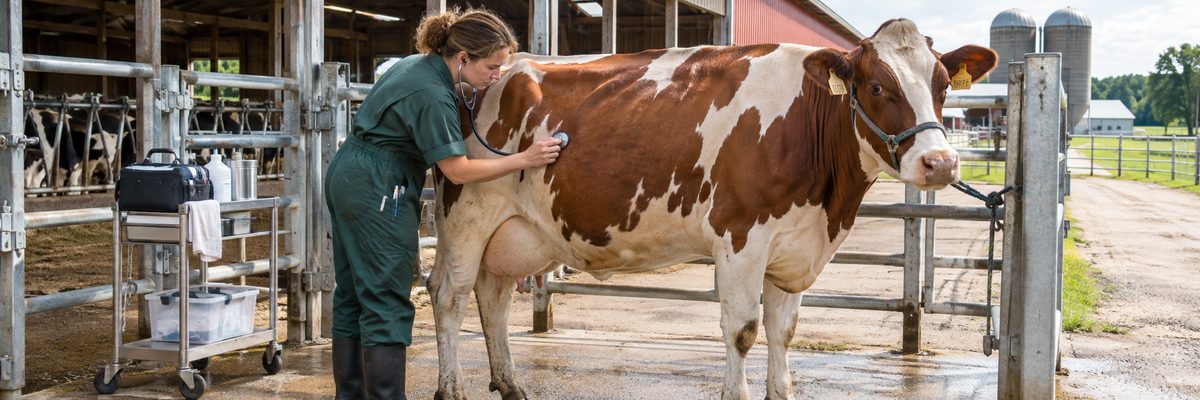
The honest answer to how often dairy cows need their hooves trimmed is: more often than the last time you looked, and less often than a nervous trimmer might tell you. Claws grow all the time and wear at a rate set by your floors, your bedding and your cows' habits. A cow on soft pasture and a cow on grooved concrete don't wear the same, so one calendar doesn't fit both.
That said, the extension sources agree on a baseline. Cornell's veterinary college says most cows benefit from at least two trims per lactation, and that each cow should still be assessed individually. University of Minnesota Extension suggests maintenance trimming once or twice a year for all cows, plus trimming when needed. Both warn that trimming too much or too often can cause lameness instead of preventing it.
This article builds a practical routine around that baseline: when to trim by cow stage, how housing and herd size change the plan, and how to find a trimmer worth keeping.
Why routine trimming matters
Cornell describes routine trimming as a critical part of lameness prevention. Corrective trimming removes excess horn and returns the claw to a normal shape so weight is carried by the right structures. An overgrown toe, according to the same source, shifts load onto the softer midsole area, which can lead to bruising and, eventually, ulceration. Catching problems early at trimming also means a sole ulcer found small instead of a cow found limping at the bunk. See what causes lameness in dairy cows for the bigger picture.
A schedule by cow stage
These are typical timings drawn from the baseline above and common practice. Your vet or trimmer may adjust them for your herd.
| Cow group | Typical approach | Why |
|---|---|---|
| Bred heifers | Inspect feet and trim if needed before calving (Cornell recommends inspecting) | Heifers in freestalls and on bedded packs can be prone to overgrown claws |
| Dry-off | A common trimming point for the first routine trim | Cow is off the milking schedule, easy to handle, and feet get corrected before calving stress |
| Mid-lactation | A second routine trim, often a few months into lactation | Puts the Cornell "at least two per lactation" baseline into practice |
| Lame cows | Trim and treat when found, any time | Don't wait for the calendar |
| High-risk cows | Extra checks, such as repeat lame cows or fresh cows with a history | Individual assessment, as Cornell recommends |
If you're only able to do one routine trim for the whole herd, dry-off is a sensible anchor point many farms use, and Minnesota's "once or twice a year" is the floor. The farms that struggle are the ones that run on a calendar nobody wrote down.
What changes the schedule
Housing and flooring
- Concrete freestalls and alleys. Rough concrete wears claws fast, and smooth or wet concrete lets them overgrow and invites slipping. Minnesota notes that concrete can increase hoof disorders compared with other systems.
- Rubber alleys and mats. Less wear on the sole, so claws may overgrow faster and need attention on a regular basis.
- Tiestalls. University of Wisconsin extension notes that confinement in small stalls for long periods can raise lameness risk through limited movement and poor hoof care. Cows that never walk much may need more frequent checks.
- Compost bedded packs and grazing herds. Soft footing means less natural wear. Wet paddocks and lanes bring their own foot problems, which mud, wet paddocks and lameness covers.
Herd size and system
A 60-cow family dairy may trim a few cows every week or two as they come up, on a rhythm of one or two hours at a time. A 2,000-cow dairy in the Southwest or Central Valley will have a full-time hoof crew moving pens through the chute on a rolling schedule. Robotic dairies, where cows move freely, need a way to bring cows to a trimming spot without an appointment book. The method differs, but each cow still needs to be seen at least about twice per lactation.
Cow stage and record flags
Fresh cows, first-calf heifers and cows with a previous lesion are more likely to need a look. Penn State notes that cows are more likely to become lame after calving. Keep trim records by cow so a trimmer can flag repeat cases, which is how you find out that the same cows keep returning with the same lesion.
Locomotion scoring tells you who's next
A trimming calendar catches cows on a schedule. Locomotion scoring catches the ones the calendar missed. Minnesota recommends scoring on a flat surface, preferably monthly and by the same person. Cornell says farm staff should be trained in a scoring method, and that detecting lameness early and combining it with routine trimming is critical to limiting its impact. Use locomotion scoring to pull cows out of the schedule early.
Picking a trimmer and avoiding damage
- Training and technique. Cornell says to select a professional foot trimmer with proper training, experience and knowledge of foot care and lameness prevention. It describes the Dutch Method as widely accepted. Ask what method they use and whether they trim to a plan or to the clock.
- Clean equipment. Cornell says a trimmer should arrive with clean equipment, clothing and tools, and farms should consider owning their own trimming table and tools to prevent pathogens coming in. Dirty tools move digital dermatitis around. See digital dermatitis control.
- Blood-borne disease. Cornell notes that blood-contaminated trimming equipment can spread bovine leukosis, and that in herds where that's a concern the tools should be disinfected between cows. See controlling bovine leukosis virus.
- Sharp tools and decent restraint. A good table or chute prevents injury to the cow and the crew.
- Timing relative to flooring. Cornell warns that trimming just before moving cows to abrasive flooring can cause lameness. Think about where the cow is going afterward.
- Findings reported. A trimmer who tells you what they found, per cow, is giving you data. One who just says "they were fine" is giving you an invoice.
If the cow-handling part of it makes you want a vacation, this farm.FM story about a cow who opens a spa with mud baths, salt lick facials and hooficures offers a version where the cows book the appointment themselves. Yours will still need a head gate.
Mistakes to avoid
- Trimming the whole herd at once and never again until next year.
- Over-trimming healthy claws because the crew is there and the chute is open.
- Skipping records. If nobody wrote down what the trimmer found, the next trim starts from zero.
- Treating trimming as a replacement for footbaths, flooring fixes and comfort. It's one piece.
- Sharing tools between farms without disinfecting. Neighbors can borrow your opinion. They shouldn't borrow your hoof knife unwashed.
Sources
Cornell's Foot Health module covers trimming frequency, technique and trimmer selection. University of Minnesota Extension's lameness prevention article gives the once-or-twice-a-year baseline.
Quick answers
How many times a year should dairy cows be trimmed?
Extension sources give a baseline of one to two routine trims a year or at least two per lactation, plus trimming any cow that needs it. Individual assessment beats a fixed calendar.
Can you trim hooves too often?
Yes. Both Cornell and Minnesota note that over-trimming and trimming too frequently can cause lameness. Healthy cows with good wear don't need extra trims just because the crew is there.
Should I trim my own cows or hire a trimmer?
Either can work if the person is properly trained. Cornell says a farm member who plans to trim should get adequate training from a qualified professional, and owning your own table and tools helps keep pathogens out.