Retained Placenta in Dairy Cows
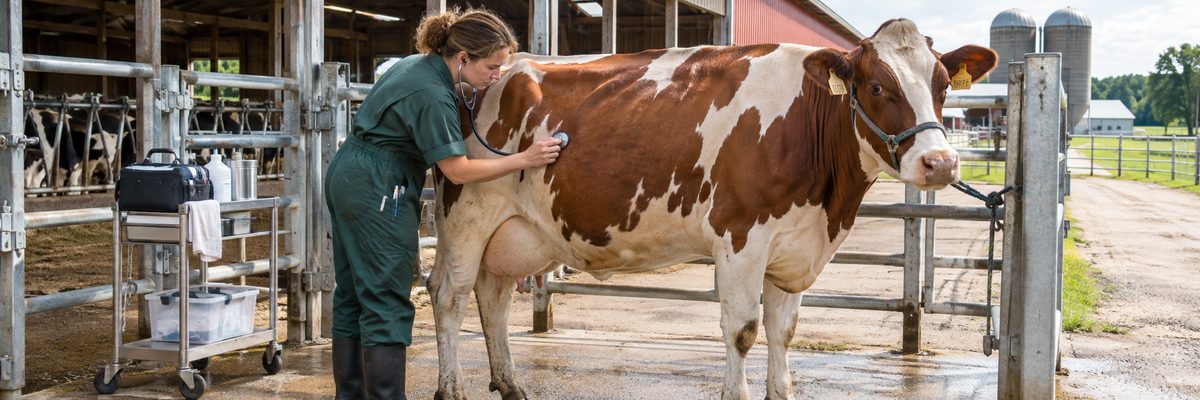
A retained placenta is exactly what it sounds like: the afterbirth hangs on after the calf is out. Normally a cow drops it within a few hours of calving. If it's still there a day later, it counts as retained, and you've got a cow trailing a rope of tissue that will get gradually uglier and smellier through the week.
The part that surprises people is what to do about it, which is usually very little. Pulling on a retained placenta by hand is not recommended and can do real harm to the cow. Most untreated cows shed the membranes on their own within a few days to a little over a week. The job is to watch the cow, not to wrestle the placenta.
The real concern is not the placenta itself but what comes with it: uterine infection, ketosis, a displaced abomasum, mastitis and a slower return to breeding. That's where your attention should go.
What counts as retained
Retained fetal membranes are generally defined as membranes not expelled within 24 hours of calving. Normal expulsion happens in a matter of hours. A cow that cleans in six hours is fine. A cow still hanging on at day two is retained, and her barn mates' opinions about the smell are not a diagnostic tool.
Sometimes the membranes stay entirely inside the uterus and don't show at the vulva at all. In that case, the first clue may be a foul-smelling discharge, and a vet may need to check by vaginal exam.
Why some cows retain
Retaining is mostly about the cow's immune system and the way the placenta detaches from the uterine lining, not a lack of effort on the uterus's part. A number of things raise the odds:
- Assisted or difficult calvings, including dystocia and stillbirths.
- Twins.
- Abortions and premature births, or induced calvings.
- Low blood calcium. A cow that's borderline on milk fever is more likely to hang on to the placenta.
- Nutritional issues, including deficiencies in selenium and vitamin E in herds that are short on them, and fat mobilization before calving.
- Heat stress and general stress around calving.
- Older cows. Risk generally goes up with age.
- Infectious causes of abortion, which should be on your vet's list if you see a cluster.
A herd with an occasional retained placenta is normal. A herd where it keeps happening deserves a hard look at the dry cow and maternity management, mineral program and calving procedures.
What to do when you spot one
- Don't pull it. Forcing the membranes can tear the uterine lining, cause bleeding and push bacteria deeper. If a bit of excess hanging tissue is bothering the cow or contaminating the area, a vet may trim it, which is different from tugging it out.
- Record it. Mark the cow and the date, and add her to your fresh cow watch list.
- Take her temperature daily for the first week or two. A fever is the usual first sign that trouble is brewing. If you aren't sure what normal looks like, check normal dairy cow vital signs.
- Watch appetite, milk and manure. A cow that is eating, milking and acting normal is probably dealing with it fine.
- Call the vet if she shows signs of illness. Fever, going off feed, a sharp milk drop, depression or foul, reddish-brown discharge all point to something beyond a simple retained placenta. A sick cow call shouldn't wait.
- Keep her in the milking string only as the vet advises. If antibiotics or other drugs are given, follow withdrawal and milk discard rules carefully.
Here's the part that makes people uneasy. The evidence doesn't support routinely flushing the uterus with antibiotics, and several injected or oral products that people reach for have not been shown to speed things up. A cow with no signs of illness is often best left alone, with close monitoring. The fix for an itchy trigger finger is a thermometer.
Treatment when the cow is sick
If a cow with retained membranes develops fever or other systemic signs, treatment with systemic antibiotics under veterinary direction is generally indicated, often along with fluids and anti-inflammatory care. Which drug, how much and for how long is for your vet to decide, as is the milk discard time. See antibiotic withdrawal times and milk discard rules for the basics, and keep records of everything given so that your treated cows don't slip into the bulk tank.
A sick retained-placenta cow may already be on her way to metritis, and the two overlap. Retained membranes are one of the main risk factors for it.
Prevention
You can't prevent every case, but you can lower the number. Start with the dry cow and calving pen:
- Maternity pen hygiene. A clean, dry, well-bedded calving area keeps bacteria down and makes any uterine problem less likely to get worse. Washing hands and equipment before assisting is basic.
- Calcium management. Preventing low calcium around calving helps with a long list of fresh cow problems, including this one.
- Selenium and vitamin E. In herds or regions where these are short, supplementing them has been shown to reduce retained placenta. Selenium soils vary, and there are regulatory limits on how much can be added to feed, so work with your nutritionist and vet. Don't just pour more in.
- Calving assistance done right. Time calving interventions properly, use clean technique and avoid pulling more than necessary. Choose sires known for calving ease on heifers.
- Control stress and heat. Shade, cooling and stocking density in the close-up and maternity groups matter.
- Dry cow body condition. Fat cows tend to have trouble at calving, so a steady condition score through the dry period pays off.
- A fresh cow routine. A consistent fresh cow check protocol catches the retained placenta along with the early signs of the problems that follow.
Regional note: heat is a bigger factor in the Southeast and Southwest, where calving in summer stacks stress on top of everything else. In the Upper Midwest and Northeast, winter calving brings cold, wet maternity areas, and sanitation can slip when everything is frozen. Grazing herds that calve on pasture often have lower contamination than a crowded maternity pen, but they need to watch their mineral supply.
For a clinical reference, the Merck Veterinary Manual page on retained fetal membranes in cows covers causes and management in more detail.
Quick answers
How long can a cow carry a retained placenta?
Most untreated cows drop the membranes within a few days to about a week and a half. If a cow is still carrying it after that, or is sick, call your vet.
Should I cut off the hanging part of the placenta?
Leave that to your vet. Trimming excess tissue that's contaminating the area can be reasonable, but pulling on what's attached inside the cow is not.
Will a retained placenta affect breeding?
It can, because cows with retained membranes are at higher risk of uterine infection, which can slow the return to normal cycling. Close monitoring and prompt treatment of any infection give her the best chance.