Fly Control for Dairy Barns and Calf Areas
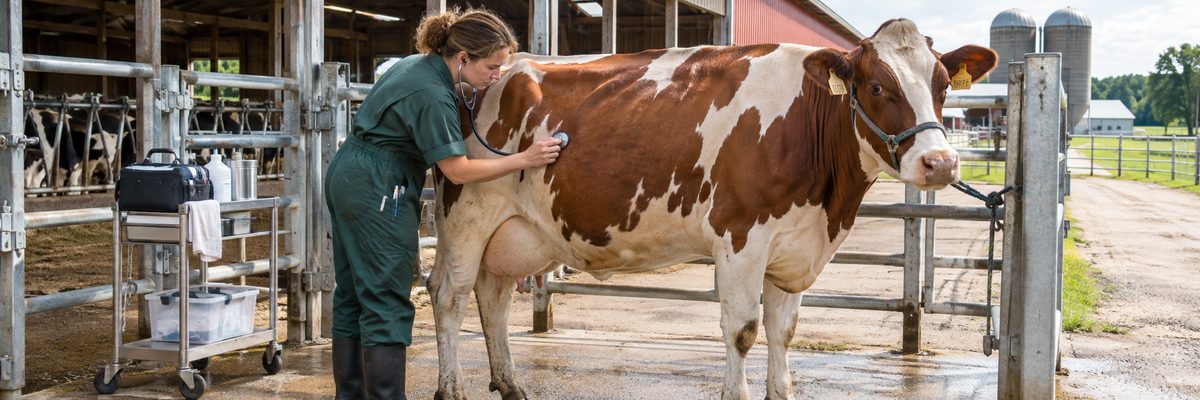
Every dairy has flies. The question is whether they are a background hum or a reason the cows stand in the corner stamping and the milkers quit by August. The difference is almost always how many places on your farm are wet, rotting and left alone for a week.
Sprays and gadgets come second. A fly needs a damp spot with manure, feed or bedding to lay eggs, and every one of those spots is something you can shrink. Do that well and the tools, whether traps, baits or tiny wasps, have a fighting chance. Skip it and you are paying to refill a bucket with no bottom.
Below is a practical order of attack for freestall and tiestall barns, milking areas and calf hutches, with what parasitic wasps can and cannot do.
Know which fly you are fighting
Different flies call for different moves.
- House flies breed in manure and in moist mixtures of manure, feed and bedding. They crowd the barn, the parlor and the milk house.
- Stable flies bite, usually around the legs, and breed in wet, decaying material such as spilled feed, wet hay and silage, and soaked bedding. A cow stomping and bunching is a good clue.
- Face flies and horn flies are pasture pests. Face flies are tied to pinkeye; see pinkeye prevention and treatment. Horn flies stay on the cow and irritate her.
Identifying which one you have decides whether to put your effort into the manure pack, the feed bunk or the pasture.
Step one: take away the breeding spots
The University of Kentucky entomology extension makes the point plainly in its fact sheet on biological control of flies: wet manure and mixtures of manure, feed and straw are essential for fly development, and dry manure and wastes will not produce large numbers of flies. Fly problems can be greatly reduced if there are few ideal breeding sites. Put it in barn terms:
- Fix leaks. Check for broken or overflowing waterers. A dripping trough is a nursery. Hiding a leaking float behind a fence post has never fooled a fly.
- Clean up feed. Spilled feed and refusals under the bunk rot fast in warm weather. What to do with refusals and feed leftovers belongs in your fly plan, too.
- Keep bedding dry. Wet bedding in stalls and packs breeds flies as well as mastitis. Keeping freestall bedding dry and clean pays twice.
- Clear the corners. Manure that sits in the back of alleys, under fence lines and at the end of the barn is easy to overlook. Remove it on a schedule.
- Cut weeds. The Kentucky extension notes that weeds around buildings and pens hide manure and spoiled feed and let areas stay wet longer.
A weekly walk with a boot and a critical eye beats a monthly spray every time. If the walk turns up the same wet spot twice, fix the drainage there instead of scooping it again.
Calf areas get their own plan
Calf pens attract flies because the combination is perfect: milk, starter, warmth and wet bedding. Some basics:
- Remove manure-soaked bedding from hutches on a regular schedule and rebuild the pack dry. See cleaning hutches between calves and bedding choices for hutches.
- Do not let spilled milk and starter sit. Dump and rinse buckets and bottles, and wipe up around feeding stations.
- Keep hutches spaced so air moves and flies cannot build up in the shaded gaps; hutch placement and spacing has more on that.
- Keep weeds down around the hutch yard so the area dries out.
- In humid climates, use the Southeast humidity and fly pressure notes for extra steps.
Traps, baits and other tools
Once the breeding sites are under control, tools can mop up the flies that remain. Options include:
- Sticky tapes and strips near windows, doorways and the milk house.
- Traps and bait stations placed away from where cows and calves can reach them.
- Fans in the barn, which also cool cows and make it harder for flies to land.
- Larvicides and other insect control products. Use only products labeled for dairy use, follow the label for animals, milk and application, and ask your vet or extension entomologist about milk withdrawal and restrictions. Rotating chemical classes helps slow resistance.
The University of Kentucky guidance points out that chemical controls used alongside parasite releases should be limited to fly baits for house flies, and sprays or other applications that will not come in contact with manure, since contact would kill the wasps.
Organic dairies have tighter rules on which products are allowed. If you ship organic milk, check with your certifier before using anything new.
Parasitic wasps: what they do and what they do not
Parasitic wasps are a popular biological option. The Kentucky extension describes them as tiny wasps that insert their eggs into immature stages of flies, killing them from the inside, and says they neither sting nor bite people or animals. Companies sell them for house flies and stable flies, and generally recommend periodic releases before and during the fly season, in numbers based on how many animals you have.
Here is the fine print, from the same source:
- They are not aimed at pasture flies such as face flies and horn flies, so do not expect control of those.
- The article says there is not enough information to evaluate their effectiveness around confined livestock and dairy facilities, and calls their use for house and stable flies experimental.
- Wasps work best alongside sanitation and water management, and are unlikely to provide adequate control when many breeding sites are available.
- Releases are needed each year, because you should not count on establishing a lasting population.
- Some manure must be left in place for the wasps to find hosts, though excessive manure will overwhelm them.
- It advises against buying unspecified blends of species, since not every species it describes works on every fly.
That does not make them useless. Wasps can supplement a sanitation program. But they are a supplement, so judge a vendor by whether they ask about your manure handling first.
If you want to know whether wasps are working, the Kentucky article suggests collecting fly pupae from several breeding sites and holding them in a jar to see what emerges, flies or wasps.
Why it matters beyond comfort
Flies bother cows enough to hurt performance, and some carry disease or move blood between animals. Stable flies and other biters can spread bovine leukosis virus; the BLV control article lists fly control among the practical steps.
Regional notes
Fly seasons run longer in the Southeast and Southwest and are more intense in humid areas where manure stays wet. Northern herds get a shorter, sharper season, often peaking in late summer, and may find fly numbers spike right after a wet spell. Grazing herds in any region deal with horn and face flies on pasture, which sanitation inside the barn will not fix. Large dry-lot dairies in the West have fewer wet spots in the pens, so the trouble tends to sit in feed lanes, drains and manure storage.
Quick answers
What is the first thing to do about flies in a dairy barn?
Find and dry the wet spots: leaking waterers, spilled feed, soaked bedding and manure in corners. Fly numbers usually drop more from that than from any product.
Do fly predators or parasitic wasps really work?
They can help as part of a sanitation program, but the Kentucky extension calls their use experimental in dairy settings and says they are unlikely to control flies alone where breeding sites are plentiful. Check with a vendor about what they do for house and stable flies in particular.
Are fly sprays safe to use around milking cows?
Only products labeled for dairy cattle and the way you apply them, following the label for milk and animal restrictions. Ask your vet or extension agent if you are not sure a product is right for your barn.