Ketosis in Dairy Cows and How to Treat It
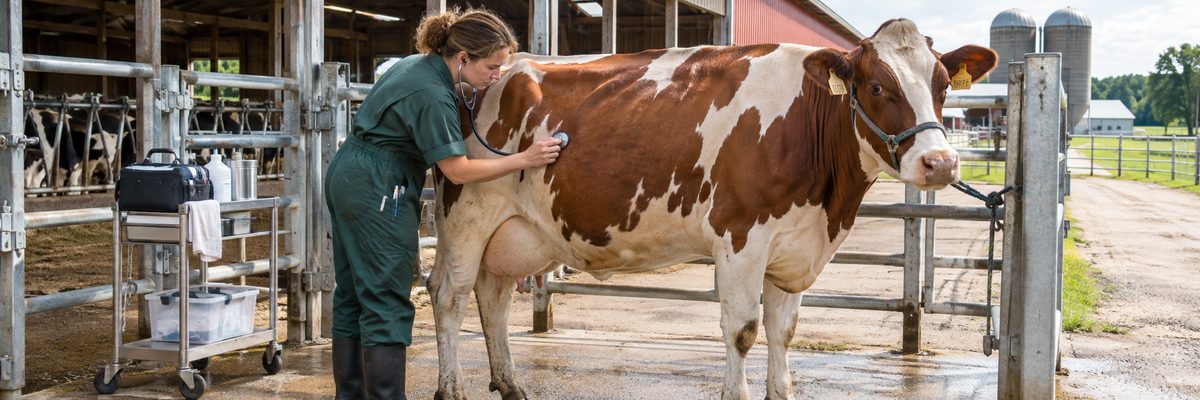
Ketosis is what happens when a fresh cow burns body fat faster than her liver can handle it. She's pouring energy into milk, eating less than she needs, and her body starts mobilizing fat to fill the gap. The leftovers pile up as ketones, and she feels about the way you'd feel after skipping dinner for a week and then running a marathon.
It mostly strikes in the first few weeks after calving. Some cows show obvious signs: off feed, dropping milk, dull, sometimes nervous or odd. Many more have a quiet, subclinical form with no obvious symptoms at all, which is the version that quietly costs a herd the most milk and sets up other fresh-cow problems.
The fix is a mix of testing, prompt treatment through your vet and, mostly, what you do with the dry cow and close-up cow well before she calves. Reacting to ketosis is expensive. Preventing it is mostly management.
Why fresh cows get ketosis
In the weeks around calving, a cow's feed intake falls behind her energy needs. This is normal. The trouble starts when the gap is too wide or lasts too long. To cover the shortfall, she mobilizes fat. Some of that fat gets turned into energy, and some gets processed into ketone bodies, including beta-hydroxybutyrate, or BHB. When ketones pile up, appetite drops further, and the cycle feeds itself.
Cows that come into calving overconditioned tend to lose more fat and eat less after calving, so they're at higher risk. So are cows that deal with stress, other diseases, an abrupt feed change or a crowded barn. Ketosis rarely travels alone. Cows with milk fever, retained placenta, metritis or displaced abomasum are more likely to get ketosis, and the reverse is true too.
Forage quality matters as well. Poor forage, moldy silage or a TMR that gets sorted at the bunk can all hold intake down. A cow that won't eat the ration you mixed isn't being picky, she's telling you something about the ration.
Signs of clinical ketosis
- Reduced appetite, often turning down grain first and eating mostly forage.
- Falling milk production, sometimes sharply.
- Weight loss, hollow-looking, with a tucked-up flank.
- Dull, quiet behavior, or in some cows, nervous signs such as licking, wobbling, bellowing or staggering.
- Soft or firm, dry manure.
- A sweet, sometimes acetone-like smell on the breath or in the milk, noticeable to some people and not others.
These signs overlap with other fresh-cow trouble, so a cow that's off feed isn't automatically ketotic. A cow with a displaced abomasum can look almost identical, and so can a cow with mastitis or metritis. Ketosis and a displaced abomasum can also coexist. That's the case for testing rather than guessing.
Testing: catching the cows you can't see
Subclinical ketosis is far more common than the clinical form, and the only way to find it is to test. Most farms use one of the following:
- Cow-side blood meters. A drop of blood from the tail vein or ear gives a BHB reading in seconds. Many herds treat readings at or above about 1.2 millimoles per liter as subclinical ketosis, though your vet may set the cutoff for your herd.
- Urine or milk test strips. Cheaper and quicker, though less precise. They can work as a screen.
- Lab testing. Used for herd-level checks or when a diagnosis is unclear.
- Milk test data. Some DHI programs report ketosis risk indicators from milk components.
A practical routine: test every fresh cow a couple of times in the first two weeks after calving, on set days, and record results. Pair that with a regular fresh cow check protocol so that temperature, appetite, manure and ketone status all get looked at together. A rumination or activity collar can flag cows that are eating less before anyone notices, and rumination monitor alerts are worth setting up to trigger a test.
Treatment: what your vet is likely to do
Treatment aims to get the cow eating again and give her body an energy source while her liver catches up. The specifics belong to your veterinarian, and drug choice, dose and timing depend on the cow's condition. In general terms:
- Oral glucose precursors. Products such as propylene glycol, given by mouth per a vet-approved protocol, are widely used for subclinical and mild cases.
- Intravenous dextrose. A vet may give this for cows that are more clearly sick. It gives a quick boost but doesn't last long, so follow-up is typical.
- Other drugs. Vets sometimes add medications that influence glucose or appetite, depending on the case.
- Treat the underlying problem. If the cow also has metritis, mastitis, a displaced abomasum or milk fever, those need treatment first or at the same time. Ketosis often follows another disease rather than starting on its own.
- Follow-up testing. Retest a few days after treatment, since cows can relapse.
Any time you treat a cow with a medication, record it. Ask your vet about withdrawal times and milk discard for anything given, even if it's not an antibiotic, and keep treatment records current so that nothing ends up in the bulk tank by mistake. Do not use leftover drugs or home mixtures on a hunch. A vet's protocol exists for good reason.
Prevention: where the money is
If a lot of fresh cows test positive, the herd has a management problem, and treating individual cows just chases it. Look at the following:
- Body condition at dry-off and calving. Cows should calve in moderate condition, not fat. Don't let late-lactation cows slide into overconditioning.
- The close-up diet. A properly balanced dry cow and close-up ration helps the rumen adapt and keeps intake up through calving. Work with your nutritionist.
- Bunk management. Fresh, palatable feed, available around the clock, with enough bunk space and minimal sorting. A cow can't eat feed that's been picked through by her pen mates.
- Cow comfort and stress. Crowded pens, heat stress and poor stall comfort all push intake down. Southern and Southwest herds face extra challenges in summer, and Northeast and Upper Midwest herds may see the problem when forage quality varies from one cutting or silage bag to the next.
- Fresh cow health. Prevent the diseases that drag cows down: milk fever, retained placenta and metritis. Each one makes ketosis more likely.
- Feed additives. Some herds use approved feed additives in the dry or fresh cow diet to reduce ketosis risk. Check labels and ask your vet or nutritionist what fits your operation.
Related reading: signs of milk fever in fresh cows covers another early-lactation disorder that tends to cluster with ketosis. For a general reference on how ketosis develops and is managed, see the Merck Veterinary Manual's page on hyperketonemia in cattle.
What not to do
- Don't dump extra grain into a fresh cow to coax her. Fast ration changes can bring on rumen trouble, so go through your nutritionist.
- Don't assume every off-feed fresh cow has ketosis. Check the rest of the cow.
- Don't skip the follow-up test. A cow that looked better yesterday can slide again.
- Don't treat a milk-check problem as a cow problem when it's a ration problem. If a pen of cows all test high, it's the pen.
Quick answers
Can ketosis kill a cow?
Ketosis itself is rarely fatal if caught and treated, but it can lead to or accompany conditions that are, such as fatty liver and displaced abomasum. Cows that go untreated can lose condition and milk fast.
Can I ship milk from a cow being treated for ketosis?
That depends on what she was given. Any drug can carry a withdrawal period, and milk from a sick cow can have off flavors, so ask your vet and check your milk handler's rules before the milk goes in the tank.
When is ketosis most likely after calving?
Most cases appear in the first two to three weeks after calving, with risk highest early. That's why many dairies test fresh cows on a schedule in the first couple of weeks.