How to Find a Large Animal Vet for Your Dairy
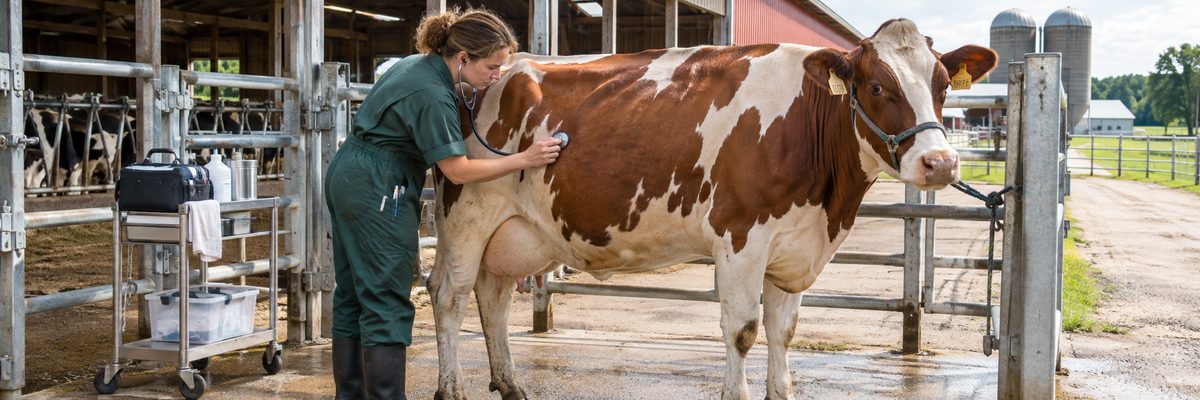
Finding a large animal vet who will take a dairy is harder than it used to be in a lot of regions, and the time to look is before a cow is down. Start with the farms near you: ask the dairy two roads over who they call, check with your milk cooperative or processor's field staff, and phone your state veterinary association or the nearest veterinary college. A mixed practice that sees mostly dogs and cats may still take you on, especially if you are a good client.
The second half of the job is becoming the client a busy vet is glad to see. Be organized, call early, pay on time, keep records, and have your animals caught and your pens in order when the truck pulls in. If this sounds like asking a vet to put up with fewer surprises, it is. They have dozens of farms and one truck.
There is also a quiet advantage to finding the vet in a calm month. Nobody has ever found the best vet in the county while holding a phone in one hand and a cow's tail in the other.
Why it is harder than it was
The American Veterinary Medical Association says timely veterinary care in rural areas is key to detecting and preventing contagious animal disease and protecting the food supply. It also notes that the federal Veterinary Medicine Loan Repayment Program repays loans for food animal and public health veterinarians who agree to work in high-need rural areas, and that applications routinely exceed available funding. That tells you the gap is real, and that no single program has closed it.
What it means for you is simple. In many parts of the Upper Midwest, Northeast and West, farm vets are still reasonably available because the dairy density supports a practice. In the Southeast, in parts of the Mountain West and on the Plains, you may be the only dairy within an hour of the nearest food animal vet, and it can take real effort to find one who still makes farm calls. Smaller family dairies and grazing herds are often the hardest to place, because routine herd work is concentrated at big operations.
Where to look
- Neighbors and local dairies. The best referral you will get. Ask who shows up quickly, who is good at fresh cow problems, and who answers a phone on Sunday.
- Your milk buyer or cooperative. Field representatives know which vets work with quality-focused herds and who works with the farm's mastitis and milk quality issues.
- Feed company and nutritionist. They are in barns every week and know the local vets by their first names.
- Your state veterinary medical association. Many keep member directories that let you search by species and area.
- The nearest veterinary college. Even if you are too far away for them to visit, extension veterinarians and referral clinics can point you toward private practitioners.
- Your extension dairy specialist. They are not vets, but they know who is practicing near you.
- Your 4-H or FFA leader. Youth projects need a vet for health papers and sometimes more.
- Large animal or mixed practices a bit farther away. A vet an hour away who will come for scheduled herd visits can beat a closer one who will not.
If there is truly nobody close, ask about telemedicine and phone consults, farm call scheduling (several farms in one trip), a set weekly herd check day, or a vet who will do herd work and refer emergencies. The legal side of those arrangements depends on your state, so read how the veterinary client patient relationship works on dairies before you count on phone advice to get you drugs.
What to ask when you call
- Do you take new dairy clients, and do you see cattle regularly?
- Do you handle routine herd health visits, or only emergencies?
- What are your emergency and after-hours arrangements? Who covers when you are away?
- How far will you travel, and how is travel billed?
- Do you work with my nutritionist and the people who work on my milk quality?
- Can we establish a veterinary client patient relationship with a first herd visit?
- How do you handle written protocols, treatment plans and drug supply?
Be prepared for honest answers. A vet who says "I can do herd work on Tuesdays, emergencies are a coin toss" is giving you useful information. Plan around it, and have a backup vet who can cover the nights and weekends the first one cannot.
Be a client worth keeping
Make the call early
A cow that is off feed on Tuesday is a good call on Tuesday. The same cow on Thursday is an emergency. Learn the warning signs in when to call the vet for a sick cow, and call when the situation says call.
Have the cow ready
Catch her, bring her to the headlock or chute, and have a clean bucket of warm water, a light and a place to wash up. The less time a vet spends waiting, the more time they spend on actual veterinary work. And a gate that latches helps. This one tends to be a surprise in every barn.
Keep good records
Tag, calving date, treatments, temperature, milk change. Clean treatment records also keep you in good standing with your milk buyer. Keeping treatment records that pass an inspection is a useful starting point.
Pay promptly and communicate
Vets run small businesses. Pay the bill. If a cost surprises you, say so and talk it through, which is far better than quietly switching vets after the next call.
Schedule herd health visits
A regular visit for pregnancy checks, fresh cow review and a look at the numbers keeps you on the schedule rather than in the emergency pile. Penn State Extension describes a preventive herd health program built around regular vet visits and working with the vet and consultants on ventilation, housing, nutrition and calving. That is the kind of relationship vets want, too.
If the nearest vet is far away
- Learn the basics of taking temperature, pulse and respiration, so your phone call has facts. Normal dairy cow temperature, pulse and respiration gives a start.
- Build a short list of what you can safely do in the first hour and what you cannot.
- Ask your vet for written protocols for common problems, such as milk fever and displaced abomasum signs, so your crew knows when to call.
- Join up with neighbors for group herd visits, which cuts the travel cost per farm.
- Consider a hospital pen and handling setup, since a vet is more likely to come when the cow can be examined safely. See setting up a hospital pen for sick cows.
If you are reading this because your vet is retiring, give them a call and ask about succession. Many practices know who is buying in, and they can help hand over your records.
Quick answers
Can a small-animal vet treat my dairy cows?
Some can for basic problems, but cattle medicine has its own drugs, milk and meat withdrawal rules and herd-level thinking. If your local clinic is mostly small animal, ask whether they are comfortable with cattle and who they would refer you to.
What should I do before I have a vet at all?
Call around now, book a herd visit, and ask neighbors who they trust. Establishing the relationship before an emergency also puts you in a better spot to get prescription products when you need them.
Is a vet school a good option when there are no private vets nearby?
It can be for referral cases and advice. Teaching hospitals and extension veterinarians can often steer you toward private practitioners, answer general questions and take difficult cases, though they are not a substitute for a local vet who knows your herd.