What a Herd Health Program Costs per Cow
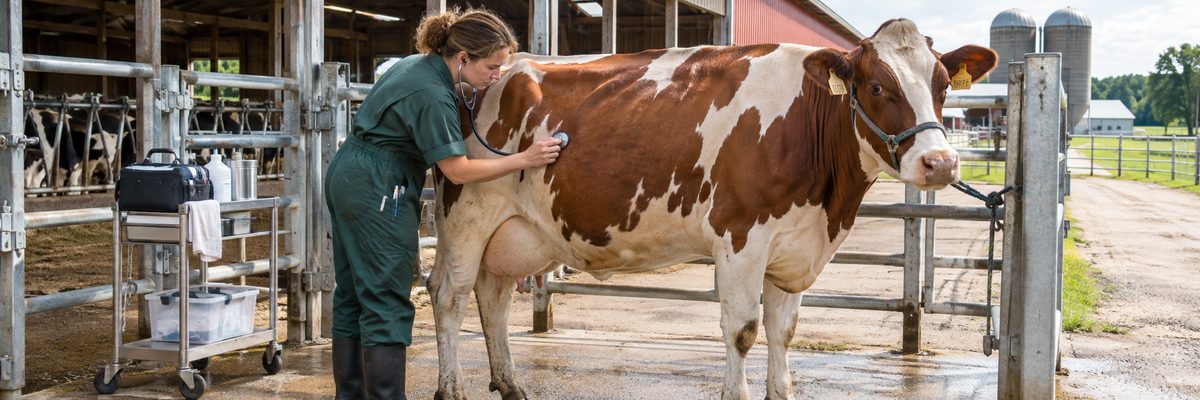
There is no honest single number for what a herd health program costs per cow, because the answer depends on herd size, region, how far the vet drives, what you vaccinate for and how many cows get sick. What you can do is build your own number: add up a year of vet fees, vaccines, diagnostics, treatments and supplies, divide by the average number of cows in the herd, and compare that to last year and to what comparable herds in your area spend.
The better question is usually not "is this cheap" but "what is it buying me." A program that costs more per cow but cuts fresh cow disease, shortens days open and keeps milk in the tank often pays for itself. A program that is cheap because nothing gets tested or recorded is cheap until it is not.
Any farmer can tell you the vet bill. Fewer can tell you the cost of the vet bill they avoided, because that one never comes in the mail.
What goes into the number
A complete picture has more lines than the vet invoice. Pull these from your checkbook, supplier statements and records:
| Cost area | What it covers | How it varies |
|---|---|---|
| Routine herd visits | Scheduled visits for pregnancy checks, fresh cow review, herd data and protocols | Farm size, visit frequency, travel distance |
| Vaccines and biologics | Cow, heifer and calf vaccination programs | Disease risk, herd size, size of the heifer program |
| Diagnostics and testing | Milk cultures, BVD, Johne's, bovine leukosis, pregnancy and other lab work | Disease control goals, buyer requirements |
| Treatments | Mastitis, lameness, metritis, ketosis and other individual cow treatments | Disease rates, protocols, how fast you catch problems |
| Supplies | Syringes, ketone strips, CMT paddles, thermometers, gloves | Crew size, how much gets used |
| Hoof care | Trimming and hoof bath materials | Floor type, wet or dry climate |
| Calf and heifer health | Colostrum testing, scours, pneumonia, vaccines | Housing, calf management |
| Reproduction programs | Synchronization and hormone products | Breeding program choice |
| Milk discard and lost production | Milk withheld after treatment, plus a cow's reduced output | Hidden but real |
Penn State Extension suggests tracking reproductive synchronization products separately, since they can inflate the vet and medicine line and make it hard to compare. That is useful advice: a farm that runs timed breeding for the whole herd and a farm that does not will look very different on the same line, and neither is wrong.
How to calculate your own cost per cow
- Choose a full twelve month period.
- Total vet fees, travel charges, lab fees, vaccines, drugs and supplies from invoices.
- Add the cost of any hoof trimming, if you include it in herd health.
- Divide by the average number of cows (milking and dry) in the herd during that period. If you want, run a second version that includes heifers.
- Also divide by hundredweight of milk shipped, to compare against farms with different production.
- Record your result and re-run it every year.
A written budget helps here, and how to build a dairy farm budget that holds up shows where this line fits. If you are working out the larger picture, figuring cost of production per hundredweight puts health spending next to feed, labor and everything else.
What drives the difference between farms
Herd size and structure
Fixed costs, such as a minimum visit charge or travel, spread across more cows on a large herd and bite harder on a small one. A 40-cow herd that pays a trip charge for every call has a very different per-cow figure than a 2,000-cow herd with a vet who is in the barn every week. Large herds can also justify more testing and in-house protocols.
Region
Distance matters. In the Upper Midwest and Northeast, where dairies are dense, vets are usually close and travel is cheap. In parts of the Southeast, Southwest and Mountain West, a long drive is built into every call, which pushes the farm toward fewer visits and bigger batches of work. Heat and humidity also change the disease mix, with more mastitis, fertility problems and heat stress in the South, and more respiratory trouble in cold housing up north. The piece on herd health challenges for Southeast dairies gets into that.
System and goals
An organic or grazing herd has different tools, a different vaccine list and different treatment options. A herd shipping to a premium buyer may pay for extra testing and records. A family-cow keeper with a few animals may pay mostly for calls and a couple of vaccines.
Where the money pays off
Penn State Extension describes a preventive herd health program that covers calf health, environment, calving, and heifer development, and argues that repeated treating can cost more in lost income than preventing the problem. That lines up with how most vets think. The line items that usually return the most:
- Fresh cow protocols that catch ketosis, milk fever and displaced abomasum early. See a fresh cow check protocol for the first 10 days.
- Mastitis control and milk quality work, which affects the milk premium as well as treatment costs.
- Calf health: colostrum management and vaccination are cheap compared with a pen of sick calves.
- Foot health: routine trimming and hoof baths are cheap compared with lame cows.
- Biosecurity and testing before bringing in animals, which prevents expensive herd-level problems.
The cost of buying something that fixes a problem you do not have is also real. Ask your vet which items on the program matter for your farm and which are habit. A vet worth keeping will tell you.
Keeping the cost down without cutting corners
- Bundle work into scheduled herd visits instead of one-off calls.
- Write protocols with your vet so trained crew can handle routine cases the right way.
- Track treatments, so you can see which cows and which diseases eat the money. Keeping treatment records that pass an inspection helps.
- Prevent before you treat. Cleaner stalls, better cow comfort and well-run transition pens cost less than the alternative.
- Do not skimp on the things your vet calls essential. The cheap fix on the wrong thing is how a cost line becomes a milk-check line.
- Compare year over year, and flag anything that jumps.
A tight budget does not mean never calling the vet. It means calling for the right reasons. Knowing when to call the vet for a sick cow can save both money and cows.
Quick answers
Is there an average herd health cost per cow I can use as a benchmark?
Published averages exist, but they get old quickly and vary by region and herd type. Your milk cooperative, extension dairy specialist, lender or a dairy benchmarking program can show you current numbers for farms like yours.
Does a bigger herd health bill mean a worse program?
Not necessarily. A larger bill might come from more testing, a better fresh cow program or a bad stretch of disease. Look at what the money is doing, such as fewer treatments, fewer culls and better milk, before judging the total.
What is the first thing to cut if money is tight?
Talk to your vet before cutting anything. Treatments you can prevent with better management, and items nobody uses, are better places to look than vaccines and testing your vet considers essential.