Antibiotic Withdrawal Times and Milk Discard Rules
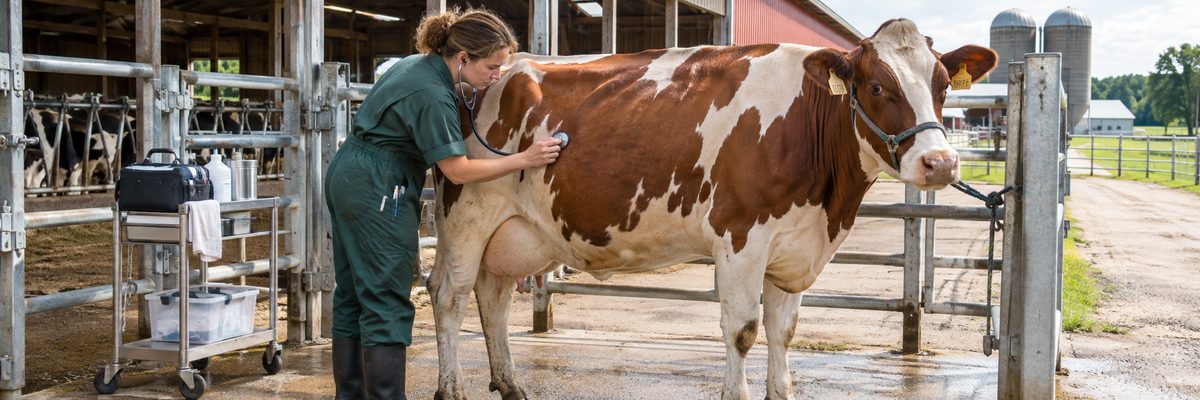
A withdrawal time is the stretch of time after a treatment when a cow's milk, and later her meat, must stay out of the human food supply. Milk from a treated cow goes down the drain, into a separate bucket or into a discard tank until the withdrawal is over, no matter how good she looks or how much she is milking. One tired milker hooking up the wrong cow can turn into a rejected tanker, so most of this topic is about habits, not chemistry.
This article is general education. The label on the product, your herd veterinarian and your state dairy regulator have the final word on any specific drug, and nothing here is a substitute for them. You will not find a dose on this page, and you should be a little suspicious of any page that offers one.
What the numbers on the label mean
Every approved dairy drug that can leave residues has a labeled milk withholding time (sometimes called milk discard time) and often a separate meat withdrawal time. They are different clocks. A product with a short milk time can still have a long meat time, which matters when a treated cow ends up culled. Intramammary tubes, injectables and boluses each carry their own numbers, and the numbers are tied to the labeled dose, route and duration.
Cornell's NYSCHAP module on food safety and drug residue avoidance sorts animal drugs into over-the-counter, prescription and Veterinary Feed Directive classes, and tells farmers to read and follow label directions and work closely with the herd vet to avoid both milk and meat residues. That is the whole philosophy in a sentence.
Why the label is not always the end of the story
Using a drug in a way not listed on the label is called extra-label drug use. FDA regulates it under the Animal Medicinal Drug Use Clarification Act, and as the Cornell module explains, it is illegal unless a veterinarian recommends it within a valid veterinarian-client-patient relationship. FDA's own page, extra-label drug use in animals, walks through the conditions, and lists a valid relationship first. Extra-label use will generally require an extended withdrawal time, and the vet is the one who sets it. Never stretch, shorten or guess at it yourself, and never take advice from the guy at the coffee counter. He means well. He also has no liability.
Cornell adds that there are no legal extra-label uses of VFD drugs. If you are not sure what class a product falls in, ask the vet before it goes in a cow, not after.
Why the bulk tank is the line in the sand
The Grade A Pasteurized Milk Ordinance requires that bulk milk tankers be sampled and tested for beta-lactam drug residues before the milk is processed, according to the Cornell module, and a tanker that tests positive is rejected for human consumption. Plants may also run additional tests. Who pays for a dumped load, and what penalties or license actions follow, depends on your state, your milk handler and your contract. Many producers find out the details the hard way, which is the expensive way. Read your milk contract and ask your field rep and state dairy agency how residue violations are handled where you farm.
The same module notes that residues in tankers are rare. Rare is good, and the way it stays rare is a boring set of systems.
A treated-cow system that works
- Mark the cow in a way nobody can miss. Leg bands, tail tape or a spray mark in a color everyone on the crew agrees on. Use the same system for every shift, every day.
- Write down the treatment before you walk away. Cow ID, date, drug, route, treating person, and the date and time milk can go back in the tank. The record-keeping side is worth its own routine.
- Calculate the clear date once, then post it. Put it on the board, the cow and the herd software. Two people should be able to confirm it.
- Milk treated cows last, or with a dedicated unit. Read about milking order for fresh and treated cows. A separate bucket or a diversion setup keeps the milk away from the line.
- Keep treated cows in one pen when you can. A hospital pen cuts mix-ups, though it is not the only way to do this.
- Test before you ship if there is any doubt. On-farm residue test kits exist, and your vet or milk handler can tell you which ones fit your drugs and how to use them.
- Train every milker and every relief milker. The cow that gets hooked up on the weekend is not the one the owner was watching.
Common ways residues sneak in
- A dry cow gets a tube, then calves early, and nobody checks the dry-cow product's milk discard period.
- Two cows with similar numbers are mixed up on the milking sheet.
- The treatment is given by a part-timer who did not write it down.
- Someone shortens the discard period because the cow "looks fine and is full of milk." Cows have no opinions on this, but the lab does.
- Waste milk from treated cows goes into a calf feeding program without a plan. The calf side has its own issues, covered in feeding waste milk to calves.
- A treated cow is sold for beef before the meat withdrawal is over.
The last one is worth a sentence: USDA's meat inspection program tests for drug residues, and the Cornell module notes that animals showing lameness, injection site lesions or signs of illness are targeted. Culling a recently treated cow? Check the meat withdrawal before the truck backs up, and tell the hauler or buyer what she got.
Regional and size notes
Large Western dairies with multiple shifts usually lean on herd software and color-coded systems because the number of cows makes memory impossible. Small Northeast tiestall farms may use cow cards and a whiteboard, and that works fine when the same two people do everything. Goat and sheep dairies face a trickier situation because very few drugs are labeled for those species, so the vet's guidance on extra-label use and withdrawal is even more important. Organic herds have extra rules about treatments and what happens to animals after them, so check with your certifier before anything gets used.
The residue prevention basics and milk withholding records articles go deeper on the habits. Both come back to the same idea: a system that does not depend on someone remembering.
Quick answers
How long is the milk withholding time after treating a cow?
It depends on the specific product and how it is used, so read the label and ask your vet. If the drug is used extra-label, the vet sets the withdrawal, and it is usually longer than the label time.
Can I feed treated-cow milk to calves?
Some farms do, but it carries risks, including exposing calves to drug residues and affecting antibiotic resistance. If you do it at all, talk to your vet and follow state and handler rules.
What happens if the tanker tests positive?
The load is rejected, and the consequences depend on your state and milk contract. Call your field rep and your vet right away to trace the source, and expect to cover costs and possibly face regulatory action.