BVD Testing and Persistently Infected Animals
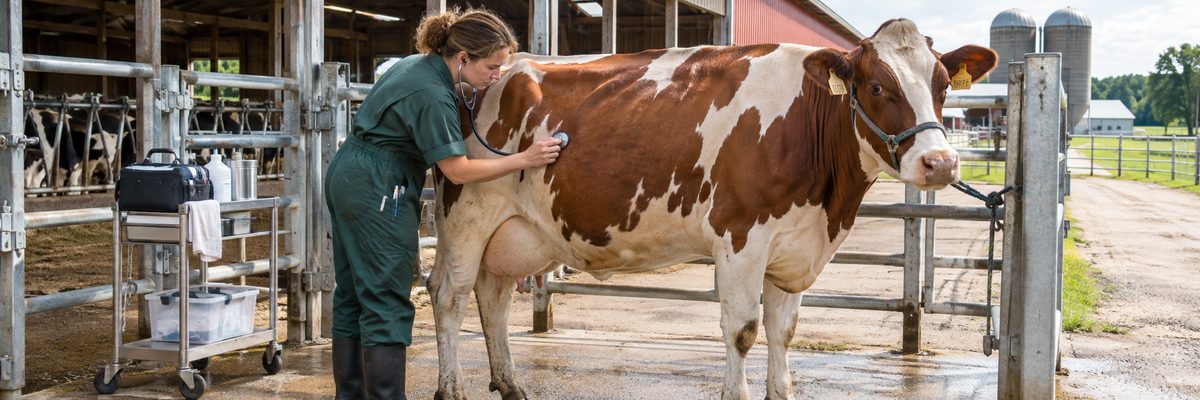
Somewhere in the country right now there is a healthy-looking heifer calf with a clean coat and a good appetite who is quietly shedding BVD virus onto every cow in reach. She is not sick. She is a carrier for life, and the herd will keep paying for her until somebody tests her.
That animal is called persistently infected, or PI. Finding and removing PI animals is the core of BVD control, and it is usually a cheap test compared to the pneumonia, abortions and weak calves they can leave behind. Vaccines help, but they do not fix a PI cow standing in the pen.
Here is how the problem works, who to test, how the sampling goes, what to do with a positive, and how to keep new ones from arriving.
Why PI animals matter so much
The Washington Animal Disease Diagnostic Laboratory at Washington State University, in its BVD-PI ear notch testing program, explains the two kinds of BVD infection. The first is transient, which accounts for over 95 percent of infections. The animal gets sick for a few weeks, becomes immune and clears the virus. Transient animals are a minor source of spread.
The second is persistent infection, under 5 percent of infections, and it happens only when a calf is infected in the womb. That calf never develops immunity to the virus, and the lab calls such animals the major source of spread in herds, shedding huge amounts in secretions throughout their lives. WADDL lists nasal discharge, saliva, tears, milk, feces, urine and semen.
Here is the part that surprises people: the same lab says more than 90 percent of PI calves are born to normal dams with no earlier exposure to BVD. A cow can look perfectly healthy and still carry one. About half of PI calves are sickly poor-doers that die before a year old. The other half look fine, grow normally and walk into the milking herd unnoticed.
For a dairy, the consequences land on milk, fertility and calf health. WADDL notes that BVD infection can cause abortions, poor conception, stillbirths and weak calves, and it suppresses the immune system, making other diseases such as pneumonia and scours more likely. If you are seeing a pattern of respiratory trouble, calf pneumonia that keeps coming back is one of the things that sends vets looking for BVD.
Who should be tested
WADDL's herd program is written around cow-calf herds, but the logic applies on a dairy too, with differences. Their guidelines are:
- Calves: every calf, including aborted fetuses where possible, ideally before cows in the breeding herd are bred or exposed.
- Dams of a PI calf: all cows that have had a PI calf, open cows you are not selling, cows that have not calved yet at the time of sampling, and cows that lost a calf that was not tested.
- New entries: purchased open heifers, purchased pregnant heifers and cows (test the calf at birth, too), and bulls.
That last line matters. Many herds get BVD from the truck. Buying replacements at auction, buying a pregnant heifer carrying a PI calf, and bringing in show animals without quarantine are all on WADDL's list of common ways the virus arrives. Buying a bred heifer at auction is a lot like buying a used trailer: the surprise is in the part you could not see from the parking lot. If you buy cattle, a buying checklist for replacement heifers is worth a read, and so is planning a proper quarantine period before anyone shares a fence line with the milking herd.
How ear-notch testing works
An ear notch sample is a small piece of ear cartilage and skin, similar to the notch taken for some tagging. WADDL describes several reasons it is the preferred sample: it is easy to collect and ship, it is not affected by maternal antibodies, and the same sample can be run on more than one test. That makes it handy for young calves still carrying colostral antibodies, where a blood test can mislead.
Your vet or lab will explain the exact sample size and packing. Each sample is labeled with the animal's ID. Labs commonly screen pooled samples with PCR (WADDL pools up to 36), and then test individual animals from any positive pool with an antigen-capture ELISA to find the specific PI animal. A negative pool means no PI animals in that pool.
One detail worth remembering: a PCR positive pool can include an animal that is transiently infected, not persistently infected, which is why the follow-up individual test matters. WADDL describes an ELISA-positive result as about 98 percent accurate for PI status and suggests a second sample two to three weeks later to confirm, especially for a valuable animal.
What to do with a positive result
- Isolate her now. WADDL says to quarantine the animal until a confirmatory test is done. A PI animal in the close-up pen or the fresh pen puts every pregnant cow around her at risk.
- Retest. A second ear notch two to three weeks after the first confirms it. The lab puts the false positive rate of these tests at about 2 percent.
- Test the dam. WADDL says there is roughly a 10 percent chance the mother of a PI calf is also PI. Cows with PI calves that are not PI themselves do not need to be culled.
- Remove confirmed PI animals from the herd. WADDL lists euthanasia, slaughter, or a feedlot that takes PI cattle. Its advice is blunt: do not sell your problem to someone else. Your vet can help you work out which option is legal and sensible where you live, and whether your state animal health office has requirements.
- Look back at cows that were pregnant near the PI animal. Their calves may be PI, too, so test them at birth.
A negative result is permanent. WADDL points out that an animal that tests negative for PI is negative for life, so each calf only needs the test once.
Keeping BVD out afterward
Testing is a snapshot. The program that holds is a mix of habits.
- Test every new arrival and quarantine them before they mix with the herd. If a bred heifer arrives, test the calf at birth.
- Keep a vaccination program running. WADDL lists failure to maintain BVD vaccination as another way the virus enters. See how vaccine timing typically changes by age and ask your vet which product suits breeding-age cows.
- Control fence-line and shared-vehicle contact. Virus also moves on boots, trucks and trailers. A neighbor's heifer over the fence is a risk, too.
- Write it into the biosecurity plan. If three different people buy cattle on your farm, three people need to know the rules.
Cost and timing
Pricing varies by lab and by how many animals are pooled, so call your vet or lab for current rates. Pooling cuts the cost because only positive groups need individual follow-up. Many herds test calves as they are born, since an ear tag and a notch go together, which keeps it from becoming a special trip nobody has time for. Whole-herd testing can make sense when you suspect an outbreak, but WADDL itself says herds should be looked at case by case.
The test is not a cure-all, though. Poor calf performance often has many causes, including colostrum, housing and feed. A negative BVD test just means one suspect is off the list.
Quick answers
Can a PI cow give normal milk?
A PI cow can look and milk normally, which is exactly why she goes unnoticed. She still sheds virus in her milk and other secretions. Ask your vet how to handle milk and cattle from a confirmed PI animal.
Does vaccination replace PI testing?
No. Vaccines help protect pregnant cows from a new infection, but they will not make a PI animal go away. Testing finds the source, and vaccination lowers the odds of new ones.
When is the best time to test calves?
Early, before cows in the breeding herd are exposed. WADDL suggests sampling at calving or at another convenient handling time, and testing the calves of purchased cows right after birth. An ear notch works at any age.