Signs of Mastitis in Dairy Cows
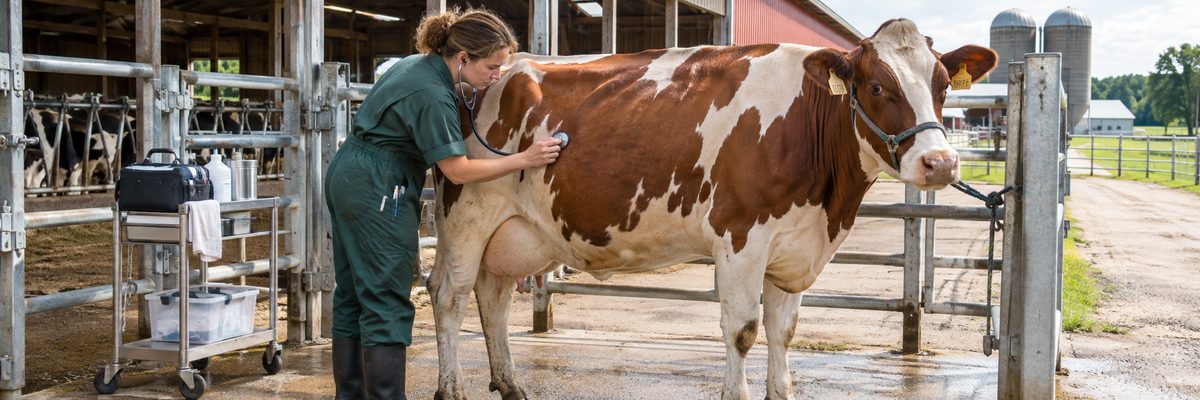
The cow that walks into the parlor with a hot, swollen quarter and a face like a bad Monday is the easy one. You'll catch her. The expensive mastitis is the one that never looks sick, keeps eating, keeps walking in on time, and quietly leaks milk quality out of your bulk tank for months.
Mastitis shows up in two broad forms. Clinical cases are the ones you can see: odd milk, a changed udder, sometimes a sick cow. Subclinical cases look normal to the eye and only show up on a cell count, a California Mastitis Test paddle or a culture. Most herds carry far more subclinical infection than clinical, which is why the signs you can't see matter as much as the ones you can.
Below is what to look for at each stage, what the severity grades mean, and where a quiet herd problem tends to hide.
Clinical mastitis: the three grades
The National Mastitis Council sorts clinical cases into mild, moderate and severe, and your treatment plan should too. The grade is about what you see in the cow, not how worried you feel.
- Mild: changes in the milk only. Clots, flakes, watery milk or a color shift. The udder feels normal and the cow acts normal.
- Moderate: abnormal milk plus visible changes in the quarter. Heat, redness, pain, swelling. She may kick at the cups, which is her way of filing a complaint.
- Severe: abnormal milk, an inflamed udder and a cow who is sick all over. Fever, dull eyes, off feed, depressed, sometimes down. This is the grade where minutes count.
Most cases you'll meet are mild. That's good news, but it also means the first sign is usually a few strings of clot in the foremilk, and you only see it if somebody is actually looking.
Where you'll catch it first
Forestripping is the cheapest detection tool on the farm. A few squirts from each quarter onto a dark strip cup or a gloved hand shows clots and flakes that a milking unit would swallow without comment. If you've been skipping the step because the line is backed up, why forestripping still matters is worth a read. A strip cup costs less than one cow's discarded milk for a week.
Other places the signs turn up:
- The udder itself. Look at it before the unit goes on. One quarter that's bigger, firmer or hotter than its neighbors deserves a second look. Hard, cold, bluish skin on a quarter is an emergency that points to gangrenous mastitis, which the National Mastitis Council notes can follow Staph. aureus infection.
- Milk yield. A cow who drops several pounds with no other explanation is telling you something. Parlor software and inline meters catch this better than a clipboard.
- Behavior. A cow that hangs back at the gate, stands apart or stops eating her share of the TMR may be sick before the udder looks bad.
- Robot and sensor alerts. Conductivity and color alarms on automatic milking systems are early flags. Treat them as real until someone has checked the quarter.
Subclinical mastitis: the quiet loss
A subclinical cow gives normal-looking milk from a normal-looking udder, and her somatic cell count says otherwise. Counts that stay high month after month mean infection or inflammation somewhere in the herd, and milk yield usually slips along with them.
Ways to find these cows:
- Cow-level SCC from monthly herd test records is the standard. Look at who's rising, who stays high and who's new on the list.
- California Mastitis Test. A paddle test you can run in the parlor when a cow is suspect. Penn State Extension teaches it as the first step in on-farm testing, followed by culture to learn which bug is involved.
- The bulk tank. It only tells you the average, and herds that ship several loads a day see even less of the picture. The National Mastitis Council flags that cell counts and culture results from those herds don't represent the whole herd.
The National Mastitis Council's contagious mastitis fact sheet notes that Strep. agalactiae often causes few visible signs but high cell counts, and that a bulk tank count that stays high is a reason to suspect it. Mycoplasma shows a different pattern: several cows with clinical mastitis in more than one quarter, still eating, not responding to treatment, and often a recent history of buying animals.
What else looks like mastitis
Not every funny quarter is infection. Fresh cows can have heavy edema in the udder. Teat injuries from a stepped-on teat, frostbite in an Upper Midwest winter or a cracked teat end from a bad liner can all make a quarter look off. Colostrum looks strange by design. That doesn't mean skip the check. It means the check includes the teat end, the skin and the milk, and not just a glance from across the alley.
What to do when you find a case
- Mark the cow so the milker knows she's flagged and her milk doesn't go to the tank.
- Grade it mild, moderate or severe using the signs above.
- Take a clean sample before any treatment if your protocol calls for one. Wash and scrub the teat end with alcohol, discard the first few streams and don't touch the tip of the tube. On-farm milk culturing explains what the result lets you decide.
- Follow your written plan from the herd vet. If you don't have one, building a treatment protocol is the next job.
- Record everything. Cow, quarter, grade, date, treatment, and the milk discard period. Withdrawal times and milk discard rules are not the place to rely on memory.
- Milk her last, with gloves, and keep her unit and towels away from healthy cows.
A severe case, a cow that's down, or a quarter that looks cold and discolored is a call to the vet now. When to call the vet covers the general rule, and with mastitis the general rule is don't wait for evening milking to see how it goes.
Common mistakes
- Skipping foremilk checks on busy days, which are exactly the days cases slip by.
- Treating every cow the same without knowing what's in the quarter. Some cases clear themselves and some never respond.
- Assuming a normal-looking cow is a healthy one.
- Keeping records on the milk house wall in a handwriting nobody else can read.
Cows have a talent for developing mastitis on the weekend your relief milker is out, and for doing it with perfect discretion. If you ever wished the cows would just talk it out, this farm.FM piece on a cow opening a therapy practice for moo-tional support and udder self-esteem makes a fair break between milkings. Real cows still won't tell you which quarter hurts, so the strip cup stays in your pocket.
Where to read more
The National Mastitis Council's Recommended Mastitis Control Program lays out the grades, the sampling steps and the record-keeping a good program includes. Penn State Extension's on-farm milk culturing course walks through CMT testing and culture for anyone who works with the cows.
Quick answers
How can I tell mastitis from a normal fresh-cow udder?
Fresh cows can have swelling from edema, but it's usually in all four quarters and the milk looks normal after the colostrum phase. Mastitis tends to affect one quarter and changes the milk or makes the quarter hot and painful. When in doubt, strip it, check the teat end and ask the vet.
Can a cow have mastitis and look completely healthy?
Yes. Subclinical mastitis gives normal-looking milk and a normal-looking cow, and only shows up through a cell count, a CMT paddle or a culture. It's often the bigger loss because nobody notices it.
Is it okay to keep milking a cow with clots in the milk?
Yes, you keep milking her, since emptying the quarter helps. What changes is where the milk goes. It stays out of the tank, and her treatment and discard period get recorded and followed. Your vet's protocol covers the details.