Fresh Cow Check Protocol for the First 10 Days
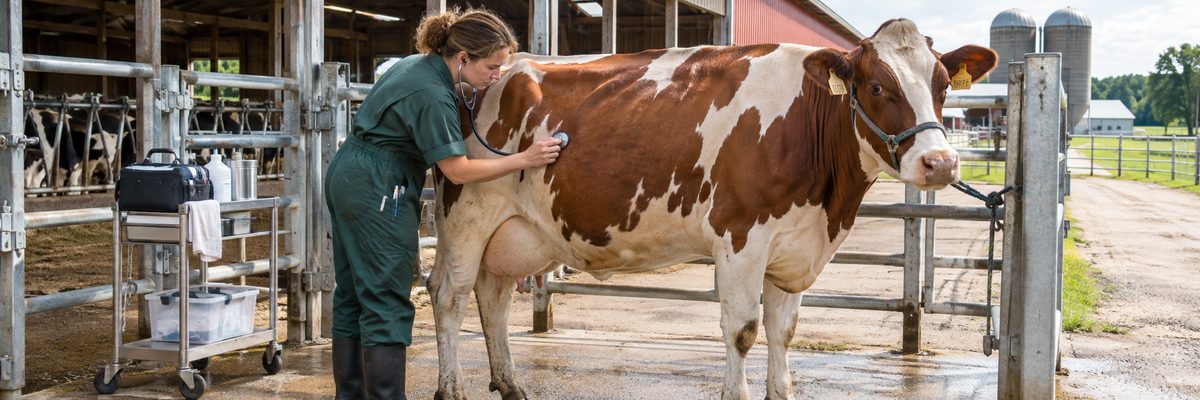
A fresh cow protocol is a short daily exam every cow gets after calving, so a problem gets caught on day two instead of day six. Check temperature, appetite, rumen fill, manure, milk yield and attitude every day for the first 10 days, add a ketone test when something looks off, write down what you find, and have clear trigger points that send a cow to the vet.
It works because the first weeks after calving are when most metabolic and infectious disease hits: milk fever, ketosis, displaced abomasum, retained placenta, metritis and mastitis. A fresh cow cannot tell you she feels bad. She can only stop eating, and by the time that is obvious, she is already behind.
The cow that looks slightly off at 5 a.m. has usually been telling you since last night. A protocol is how you start listening.
Set it up before the first calf
Decide four things in advance, with your vet and your crew:
- Who does the checks and when. One consistent person, at the same time of day, gives you comparable data.
- Where the exam happens. A headlock or stanchion works, as long as cows do not stay locked in for long. The University of Wisconsin fresh cow exam guidance says cows should stay in the headlocks for an hour or less.
- What gets recorded. A simple card, whiteboard or herd software entry per cow.
- What triggers a vet call. Written on the same sheet, so nobody is arguing about it at 6 a.m.
Group your fresh cows together if you can. A fresh pen makes checking quick, and milking order for fresh and treated cows keeps antibiotic-treated and potentially infectious cows out of the line ahead of clean animals. If you also run a close-up pen, dry cow housing and close-up pen management sets the cow up for a better start.
The daily check
University of Wisconsin Extension's fresh cow exam guidance recommends examining cows daily during the fresh period. It lists the following checks and triggers. Use them as a starting point and adjust with your vet.
Temperature
Normal is about 101.5 to 102.5 degrees Fahrenheit. A temperature over 103.0 can point to infection or inflammation, and in heat stress the guidance suggests looking at readings about 1.5 degrees above the fresh group average. Take it the same way each day. If you are new to this, normal dairy cow temperature, pulse and respiration goes through the technique. A cow with a fever and a foul discharge may be showing metritis, and your vet needs to examine her to say.
Appetite and the bunk
A cow that does not come to the feed bunk is the first sign to follow. Appetite loss is a trigger for further exam and is a common sign of ketosis. Watch how the cow eats and how much she leaves behind.
Rumen fill and activity
Look at the left side behind the last rib. A hollow or sunken left flank with a pinged sound can mean a displaced abomasum. Rumen contractions should happen once or twice per minute. If you see poor fill, take it as a trigger for further exam.
Manure
Firm, dry manure can mean ketosis or poor intake. Diarrhea or stiff manure is a trigger too. Manure scoring gives your crew a common language.
Milk yield
If your parlor records milk weights, a cow that is producing less than expected for her day in milk and parity, or less than yesterday, is on the list. A fresh cow whose milk plateaus or falls needs a look. Do not wait for a monthly test to tell you.
Attitude
Dull, listless behavior can signal milk fever, and dullness with an off-feed cow can mean a displaced abomasum, according to the Wisconsin guidance. Early signs of milk fever can be subtle in the first couple of days.
Udder
Strip the quarters. A California Mastitis Test paddle on the first milkings can flag subclinical infection, and the Wisconsin guidance uses a score that indicates an SCC above 200,000. Clinical mastitis in a fresh cow calls for your treatment protocol and a vet decision. See signs of mastitis in dairy cows.
Ketones
The Wisconsin material notes that a urine strip gives a quick read and that blood beta-hydroxybutyrate measured with a meter is the most accurate on-farm method. Many farms test all fresh cows at set days and test any cow that looks off. Ask your vet which test, which days, and which results mean treatment. The decision on treatment sits with the vet. Ketosis in dairy cows and how to treat it covers the background.
A simple 10-day schedule
| Days after calving | Daily checks | Extra steps |
|---|---|---|
| 1 to 3 | Temperature, appetite, rumen fill, attitude, manure, milk | Watch for milk fever signs, retained placenta and hard calving effects |
| 4 to 7 | Same daily checks | Ketone testing per your vet's plan, especially for cows that eat poorly |
| 8 to 10 | Same daily checks | Review the cows with any flagged signs, check uterine discharge, decide who moves to the main herd |
The Wisconsin guidance puts uterine infection exams at roughly 7 to 28 days after calving, and says diagnosis of uterine infection requires a veterinarian to examine the reproductive tract. Disease risk extends well past day 10, so use this as the start of fresh monitoring rather than the end. If you want a longer view, post-calving cow checks for the first 14 days carries the schedule further.
Trigger points for calling the vet
- Temperature over your vet's threshold, commonly 103 or higher.
- Off feed with poor rumen fill for more than a milking or two.
- A left-side ping, or off feed with a dull attitude.
- Down, wobbly, cold ears, or a cow that will not rise.
- Foul-smelling discharge with fever and poor appetite.
- A positive ketone test combined with other signs, or a test result outside the range your vet set.
- Severe clinical mastitis or a cow that looks systemically sick.
Every farm needs its own line between "treat per protocol" and "call the vet", and your vet should help set it. Putting it in writing lets a newer hire make the same call as the owner.
Common mistakes
- Checking cows only when they look sick. The point is to find the quiet ones.
- Skipping the weekend. Cows do not recognize Saturday.
- Taking temperatures differently every day, with a different thermometer and a different crew member.
- Not writing anything down, so the same cow gets "checked" three times and treated once.
- Holding cows in headlocks too long. Fresh cows want to eat and lie down.
Quick answers
How long should fresh cows be monitored?
Daily exams in the first 10 days catch most early problems, but many farms keep watching longer. Ketosis risk runs through the first six to eight weeks, so keep an eye on appetite and milk well past day 10.
What temperature should I treat as a fever in a fresh cow?
Wisconsin's guidance flags anything over 103.0 degrees Fahrenheit as possible infection or inflammation. Your vet may set a slightly different line for your herd, and hot weather affects readings.
Who should do the fresh cow checks?
Anyone trained and consistent. A single person doing the same steps at the same time gives the cleanest data. Have your vet review the protocol and the numbers regularly.