What Causes Lameness in Dairy Cows
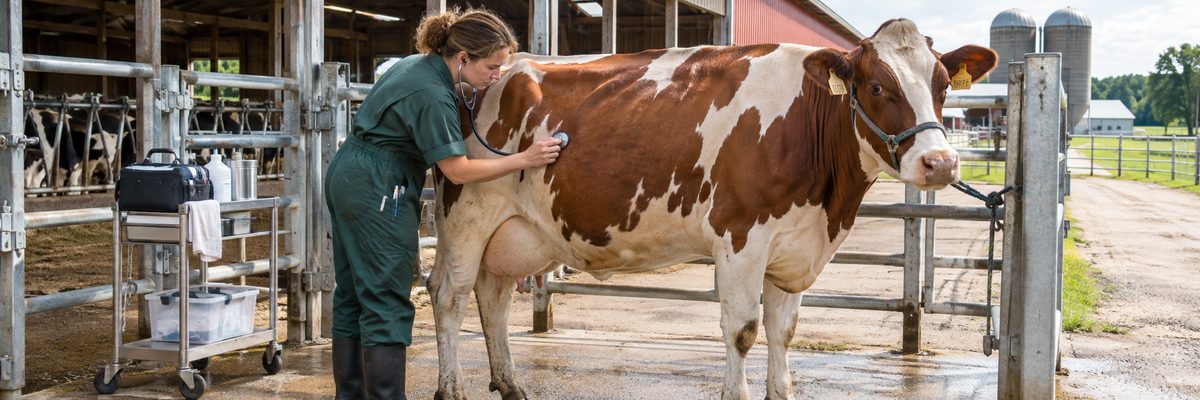
Lift a lame cow's foot and you'll usually find the answer on the bottom of it. Cornell's veterinary college puts it plainly: although cows go lame for many reasons, about 90 percent of the time the cause can be found by examining the foot. Which is mildly annoying, because the reason that foot is sore is often forty feet away in the barn design.
Lameness sits near the top of dairy herd health problems. Penn State Extension lists it among the top three diseases in dairy herds, along with mastitis and infertility, and the biggest cost is usually the milk the cow doesn't make. University of Wisconsin extension says lameness can cost somewhere between $76 and $533 per case, a range that tells you more about how many ways there are to count it than about any one farm. Either way, it's expensive and it hurts the cow.
This article sorts the causes into groups, explains the farm-level risk factors behind them and gives a short list of where to look first.
The foot lesions behind most cases
University of Wisconsin extension identifies claw lesions as the leading cause of lameness, split into two families.
Non-infectious lesions
- Sole ulcers and sole hemorrhage. Damage to the horn-producing tissue under the claw bone, often tied to pressure and bruising. See sole ulcers and white line disease explained.
- White line disease. Separation at the junction of sole and wall, which lets dirt and stones in and abscesses out.
- Interdigital hyperplasia. Overgrowth of tissue between the claws.
Infectious lesions
- Digital dermatitis. Hairy heel warts. Penn State Extension calls it the most common type of infectious foot disorder and notes that it can typically be controlled with footbaths. Details in digital dermatitis treatment and control.
- Interdigital dermatitis and heel erosion. Skin and heel horn damage from constant wet and manure.
- Interdigital phlegmon (foot rot). A deeper infection between the claws that makes a cow acutely lame and swollen and needs prompt vet attention.
Less common causes include injuries, joint and leg problems, nutritional imbalances and management factors. Wisconsin notes that fractures are most common in calves, hoof overgrowth in yearlings, and infectious disease and trauma in adult cows.
Why the feet get sore: the herd-level causes
Lesions are the how. The farm conditions are the why. Extension sources keep coming back to the same handful.
Flooring and footing
The University of Minnesota notes that concrete flooring can raise the number of cows with hoof disorders compared with other systems, and that rubber mats from the stalls to the parlor add traction, balance and shock absorption. Slippery floors make cows walk stiffly and slowly, and worn, rough concrete wears the sole faster than the foot grows. Stopping cows slipping on barn floors is a separate job from fixing sore feet, but they are tied together.
Time on hard surfaces
Minnesota's extension advice is that cows should spend as little time as possible away from stalls, feed and water, particularly standing on concrete waiting to be milked. Long holding pen waits show up in the feet.
Stall comfort
Cows need enough stall space to lie down and ruminate for roughly 10 to 14 hours a day, according to Minnesota. A cow who won't lie down stands, and standing is hard on the claws. The same source says a brisket board higher than about 4 inches above the stall surface is linked with more lameness. If your cows stand half in and half out, that behavior is a clue.
Wet, dirty conditions
Penn State notes that digital dermatitis risk factors include housing cleanliness, biosecurity and parity, and that the disease spreads when barns aren't scraped regularly and cows stand in manure. In grazing herds, mud and wet paddocks do the same job.
Nutrition
Minnesota says a balanced ration for age and stage of lactation helps prevent conditions that lead to lameness, and describes laminitis, inflammation of tissue within the hoof, as one result of nutrition problems. Acidosis is a common thread, so subacute ruminal acidosis signs matter to the feet as well as the rumen. Ration changes are a conversation with your nutritionist.
Trimming, good and bad
Overgrown claws shift weight onto the soft middle of the sole, Cornell explains, and that can lead to bruising and ulceration. Minnesota warns that over-trimming can also contribute to lameness. Cornell adds that lameness can follow poor technique, trimming too often, or trimming just before moving cows onto abrasive flooring. See how often to trim dairy cow hooves.
The calving window
Penn State says all cows are more likely to become lame after calving because of immune suppression, and first-lactation animals are more likely to get digital dermatitis. Fresh cows get extra attention for a reason.
Housing system and breed
Wisconsin notes that housing type, age, other health problems and even breed and phenotype affect prevalence. Tiestalls can limit movement, and freestall barns with rough or insufficiently bedded surfaces carry their own risks. Penn State points out that Holsteins are the most susceptible breed to digital dermatitis.
Where to look first
- Score the herd. Locomotion scoring on a flat surface, ideally monthly by the same person, shows how big the problem is. Locomotion scoring step by step walks through it.
- Look at the lame cows' feet. A trimmer or vet can tell whether you're looking at ulcers, white line, digital dermatitis or something else. Records of what each trim found are the most useful data on the farm.
- Look at who is lame. Fresh cows, first-calf heifers, one pen, one end of the barn, one season. Patterns point at causes.
- Walk what the cows walk. Holding pen, return lanes, parlor exit, stall surfaces. Stand there for ten minutes. If your own boots feel the slope or the slick spot, so do the cows' feet.
- Check the stalls and the ration after the floors. The Cornell lameness module also describes a herd-level lameness investigation, which your vet can help run.
Cost and perspective
Cornell's veterinary college notes a New York estimate of about $350 per case, including lost milk, delayed conception, extra handling and treatment, and early culling. Penn State, citing published studies, says clinical lameness costs on the order of 800 pounds of milk on average. Numbers vary between studies, farms and milk prices, so treat them as a range, not a budget line. The more useful number is your own count of lame cows and how long they stay lame, since Penn State's cited work found each extra week a cow stays lame adds to the cost.
Common mistakes
- Waiting for a cow to limp badly before looking. By locomotion score 3 you are late.
- Blaming the trimmer when the floor is the culprit, or blaming the floor when the footbath hasn't been changed.
- Treating lame cows one at a time and never asking why so many are lame.
- Putting rubber down before checking the stall design that decides where cows stand.
- Assuming a cow that is bad on the left rear is the only problem she has. Cows rarely have a single sore foot, and the gate always seems to find the other one.
Sources
University of Minnesota Extension's prevention and treatment of lameness in dairy cattle covers flooring, stalls and trimming. University of Wisconsin's Lameness Risk Landscape summarizes causes and risk factors, and Cornell's Foot Health module explains foot anatomy and trimming.
Quick answers
What is the most common cause of lameness in dairy cows?
Claw lesions, which include both infectious types such as digital dermatitis and non-infectious types like sole ulcers and white line disease. Penn State calls digital dermatitis the most common infectious foot disorder.
Can lameness come from something other than the foot?
Yes, but less often. Cornell says the cause is in the foot about 90 percent of the time, and the rest are leg, joint or injury problems that a vet should look at.
How do I know if my herd has a lameness problem?
Score locomotion on a flat surface and track the percent of cows scoring as lame, month over month. Penn State and Cornell both describe how common lameness is, so a herd with a few lame cows is normal. A rising trend or a cluster in one pen is the signal.