Leptospirosis in Dairy Cows and Vaccination
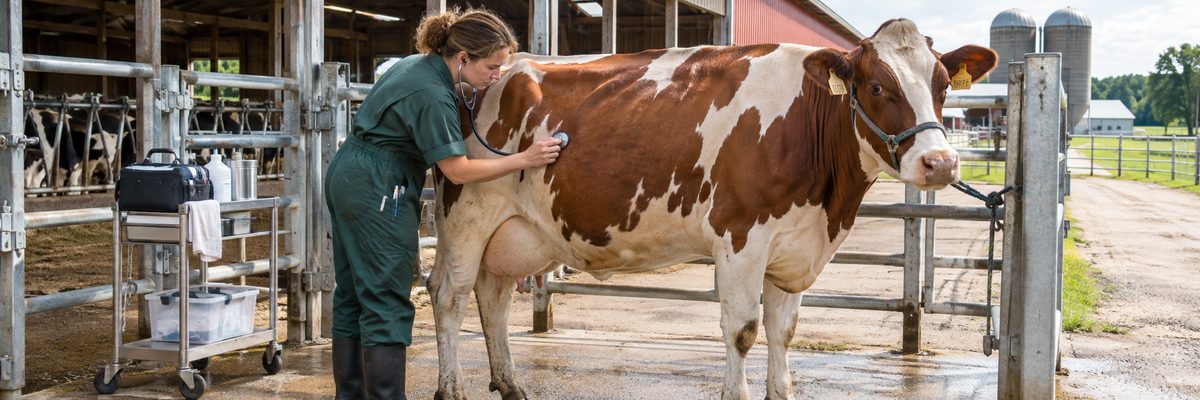
Lepto is one of those diseases that tends to hide inside another problem. A few abortions, a string of cows that keep coming back in heat, a handful of weak calves. Everyone blames the semen, the weather or the nutritionist, and meanwhile the bacteria are sitting in the kidneys and reproductive tracts of cows that look fine.
It matters for two reasons. It costs pregnancies, which on a dairy means days open and replacements you did not plan on. And it can spread to people, which makes it a farm safety issue as well as a herd health one. Vaccination is the cheapest control tool, and management does the rest.
This article explains what leptospirosis does in dairy cows, how it gets around, why testing is tricky, how vaccine timing usually works, and what to do to protect the folks in your milking parlor.
What leptospirosis does in a herd
Leptospirosis is caused by Leptospira bacteria. The Merck Veterinary Manual's entry on leptospirosis in ruminants sorts the strains into two broad groups. Some are adapted to cattle, with serovar Hardjo and, in the Americas, Guaricura as the best-known examples. Others, such as Pomona, Grippotyphosa and Icterohaemorrhagiae, are incidental infections that come from other animals, including wildlife, and depend more on poor management and environmental conditions.
The two groups show up differently.
- Incidental strains tend to cause an outbreak. The manual describes abortions at any stage of pregnancy and weak calves at birth, and says blood-tinged milk has been reported in lactating cows.
- Cattle-adapted strains usually cause a chronic and silent infection that shows up as reproductive failure: embryo loss and cows repeating heat. The manual says this genital form is increasingly recognized as the major leptospirosis syndrome in cattle.
That second pattern is the sneaky one. A herd with poor conception and no clear reason is worth a lepto conversation with the vet, alongside the usual suspects. The other candidates are covered in the pieces on repeat breeder cows and early embryonic loss.
How it spreads
Infected animals shed the bacteria, most often in urine, and in the case of an abortion, through the fetus and fluids. Cattle pick it up from contaminated water, mud, soil and each other. The Merck manual points to practices that increase exposure: letting cattle reach standing water, puddles or swampy areas, and cograzing with pigs, which it recommends avoiding. It also describes wildlife as a source that can bring in extra strains and raise the contamination load.
On dairies this often comes down to:
- Wet, muddy lots and low spots where urine and water collect
- Ponds and creeks that cows can wade into on pasture
- Neighboring or shared animals, including wildlife with access to feed or water
- Purchased cattle that bring a new strain with them
The cow does not know she is a carrier. She is busy standing in the one puddle in the county. Mud, in other words, does more than eat boots.
Why testing takes some thought
Leptospirosis diagnosis is not as simple as one blood draw. The manual explains that diagnosis in an acute outbreak is relatively straightforward, using antibody titers (a test called MAT) and testing of aborted tissue. Chronic infection with the cattle-adapted strains is harder, since seronegative shedders are common and a cow's serology does not reliably match whether she is shedding. Herd-level serology can flag a suspect herd, but identifying an individual shedder often requires culture, immunofluorescence or PCR.
The practical advice is to pull the vet in early and get samples from any abortion to a diagnostic lab. A fetus and placenta often tell the story better than a cow standing in the alley. Be careful handling them, which brings us to the human side.
Vaccination
Merck calls vaccination the cheapest control method and an essential measure, strongly recommended. It also admits the vaccines are not perfect: effectiveness varies, and commercial vaccines have been shown not to prevent kidney colonization in some cases. The manual says vaccination is usually repeated every six months, with one dose ideally before the breeding season, which coincides with spring in the cooler regions when environmental contamination rises.
That does not map neatly onto a dairy that calves year-round. Many herds build lepto into their routine around heifer vaccination before breeding, and then repeat it for cows on a schedule that fits the herd's handling points. Extension guidance for dairy vaccination programs, such as the one from Mississippi State University Extension, describes lepto vaccines for calves at around four to six months in higher-prevalence regions, boosters for heifers before breeding, and routine doses in adult cows. For where lepto fits among the other injections, see the vaccination schedule by age.
Product, strains included, dose and interval are decisions for your vet. They should match the strains in your area and the risks on your farm, and check the label for any milk withdrawal. Booster timing slips easily when animals are not individually tracked, so keep records.
Protecting people
Leptospirosis can infect humans, and a dairy is one of the more likely places for it to happen. The main routes are contact with infected urine, aborted fetuses and fluids, and contaminated water, through cuts, the eyes, the nose or mouth. The milking parlor, where urine spray and splash are a daily fact, is a common spot. Your doctor and local health department can give you specifics for your area. Habits that help:
- Wear gloves and eye protection when working with aborted material, calving, or cleaning contaminated areas.
- Cover cuts and scrapes with waterproof dressings.
- Wash hands and forearms after milking or handling calves and abortions, and keep food and drinks out of the work area.
- Do not touch your face while in the pit, and shower and change after a messy job.
- If someone develops flu-like illness after working with cattle, tell their doctor they work with livestock.
Pregnant workers should ask their doctor about exposure risks, and a conversation with your vet about the farm's protocols is worth having. Pre-milking teat prep with gloves is a habit many crews already have; lepto is one more reason to keep it.
Management changes that lower the risk
The manual points to management that reduces animals' exposure to leptospires: splitting animals into smaller groups, soil sealing, and regular cleaning of milking areas. Add the dairy-specific basics:
- Fence cattle away from ponds, wet low spots and swampy corners, and offer clean water in tanks.
- Keep the calving pen clean and dry, and isolate cows after an abortion until the vet advises otherwise.
- Control rodents and wildlife access to feed and water.
- Quarantine new arrivals and ask about their vaccination history. A biosecurity plan keeps that on paper.
Regional notes
Wherever the ground stays wet, whether that is the humid Southeast, rainy parts of the Northwest or spring mud season in the Northeast, water and mud management deserves extra attention. Dry-lot herds in the Southwest have less standing water in general, but flooded corrals and irrigation runoff still count. Grazing herds in any region should check low spots and water sources before turnout.
Quick answers
How many abortions mean I should test for lepto?
There is no magic number. Any cluster of abortions, or a run of repeat breeders with no clear explanation, justifies a call to the vet and a sample sent to a diagnostic lab. Do not wait for a third one.
Does a lepto vaccine stop the disease completely?
No vaccine is perfect, and the Merck manual notes failures to prevent kidney colonization. It still lowers the risk and cuts reproductive losses, which is why vets recommend it alongside management changes.
Can I catch lepto from my cows?
Yes, it can spread from animals to people, mainly through urine and fluids from abortions. Gloves, eye protection and hand washing are the basics, and anyone who gets a fever after exposure should see a doctor and mention the farm work.