Johne's Disease Testing and Control
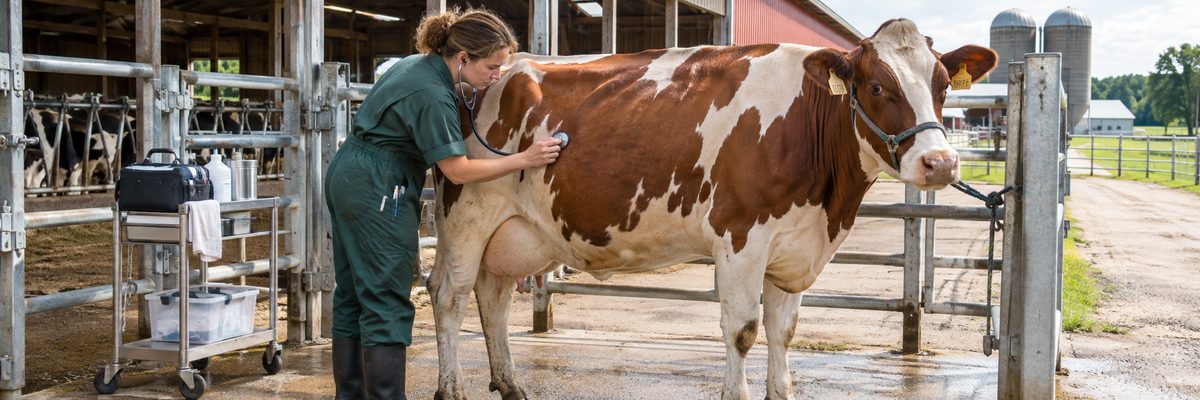
Johne's disease is the slow one. A calf swallows the bacteria in her first weeks of life, looks perfectly healthy for years, and then one day your best fresh cow starts losing weight while eating like a horse and leaving loose manure behind her. By that point a good number of her herd mates may already carry it too.
There is no magic fix, and no quick one. The University of Wisconsin-Madison Johne's Information Center says control is not difficult, but it takes time, good husbandry and testing. Their line on timing is the one worth remembering: a typical herd clean-up may take five years or longer, and half-hearted or short-term attempts generally fail.
Below: how it spreads, which tests are used, and the practical steps that protect the calves, since the calves are where the infection gets started.
How Johne's moves through a dairy
The organism is called MAP. According to the Johne's Information Center, the infection happens in a calf's first months of life, but signs usually do not appear until adulthood. The two clinical signs are weight loss and diarrhea, and cows keep eating well while they waste away. Since several other diseases look similar, you need lab work to confirm it.
Infected adults shed MAP in their manure. A calf that swallows contaminated milk, colostrum, feed or water can become infected. That is why the center says sanitation and manure management are critical. A few other routes matter as well:
- Before birth. The Wisconsin group says roughly 40 percent of cows with clinical signs will already have infected the calf in the womb. For clinically normal infected cows it is about 15 percent.
- Colostrum and milk. Many infected cows shed MAP in milk, most often those with clinical signs, but sometimes apparently healthy ones too.
- Shared equipment. The same loader bucket or skid steer that moves manure and then feed is a common culprit.
- Pasture and water. Ponds, wallows and streams contaminated with manure.
MAP is the cockroach of dairy bacteria. It resists heat, cold and drying, and while it does not multiply outside the animal, it hangs around the farm much longer than you would like.
Testing: what the options look for
Tests fall into two families. Organism-based tests, which are fecal culture and PCR, look for the bacteria themselves. Antibody tests, run on blood or milk, look for the cow's immune response. The Wisconsin center notes that culture takes eight weeks or longer because MAP grows so slowly, while PCR often returns within a week, and the accuracy of the two is comparable.
Fecal samples can be pooled to save money. A lab commonly mixes five samples in a pool, and if a pool is positive, the five contributing animals are retested individually. Milk samples already collected on DHI test day can be used for some antibody testing, which is a low-hassle option if you are already pulling samples.
Which test fits depends on what you want to learn. The center lists several reasons: finding out if MAP is on your farm, estimating how widespread it is, controlling it in a known infected herd, diagnosing a sick cow, checking the environment, or meeting pre-sale testing requirements. Tell your vet the reason first, and let them build the testing plan. They should also use a lab that passes the national proficiency test. Test cost, sample timing and interpretation vary, so ask for current figures.
One limit worth knowing: no single test catches every infected animal. A negative cow is not proven clean, which is why the control plan relies on management as well as testing.
Protecting the calves
This is the heart of it. The Wisconsin center's advice boils down to keeping young stock away from adult manure for as long as you can, and giving them clean feed and milk.
A clean, dry calving pen
Calves should be born where manure is minimal, and removed from the dam promptly. The center recommends this for Johne's control and for several other diseases. Our calving pen setup and hygiene checklist covers the details, and the first 24 hours checklist keeps the rest of that day on track.
Careful colostrum
Calves need colostrum, so you cannot skip it. The center says the risk drops if you use colostrum from Johne's test-negative cows only, preferably PCR-negative since that offers more assurance than an antibody test. Do not pool colostrum from several cows. The center's rule is one dam's colostrum to one calf, with the udder and teats cleaned well before collecting. If you are working with a storage system, pasteurizing and freezing colostrum raises its own questions to take to your vet.
Milk and replacer
The center advises against feeding raw, unpasteurized milk. Milk replacer is pasteurized and counts as low risk, though the center notes MAP has been found in some commercial replacers. If you feed waste milk, feeding waste milk to calves deserves a talk with your vet because it is a larger decision in a Johne's herd.
Clean feed, water and ground
Keep manure out of feed and water. Fence off manure-laden areas from young stock. The center says heavily contaminated land should stay free of young animals for at least four months while most MAP die off, with a small population possibly lingering up to a year, so do not graze youngstock on recently manured or grazed fields or feed them the crop grown there.
For disinfection, MAP resists most products. The center says to clean washable items thoroughly with soap and water first, rinse and dry, and then use a disinfectant labeled tuberculocidal as directed. Organic matter deactivates the disinfectant, so the cleaning step is not optional.
Dealing with positive cows
Adults that shed are the source, and removing them cuts the contamination. The center describes "test-and-cull" as essential for success in a reasonable period of time, but also says that in some situations "test-and-manage" may be more appropriate. Test-and-manage means keeping positives, but handling their calving, colostrum and milk separately. The decision belongs with your vet, who can match it to your herd size, prevalence and finances. Pay attention to who the animals' offspring are. Calves born to positive cows have a higher chance of being infected already, so many herds track them closely.
This is where records pay for themselves. The center suggests keeping good ID and breeding records, so you can look back and see which animals were exposed young or were born to a dam that later tested positive. If your records live on the back of a feed receipt, the program will be a guess.
Keeping it out in the first place
The center says prevention is the most cost-effective way to manage Johne's, and that blocking it is far cheaper than eradicating it. Its buying rules apply to dairies that bring in cattle:
- Buy as few replacements as you can, from as few herds as you can.
- Ask to see the seller's lab results. Do not take a handshake for a test.
- Prefer herds with a long run of negative annual tests, and heifers born to test-negative dams.
- Give more weight to fecal PCR results than blood antibody tests.
Pair that with a proper quarantine routine and a written biosecurity plan. Many states and the industry also run voluntary Johne's control and herd status programs. The Wisconsin center's certification page is a place to start looking, and your vet or state animal health office can tell you what your state offers.
Regional notes
Johne's turns up in every dairy region, and what changes is where the risk sits. Herds that buy a lot of replacements, whatever the region, should put the effort into pre-purchase testing. Herds with shared calving areas, as in some tiestall barns, have to work harder to keep calves away from adult manure. Grazing herds need to think about wet low spots and old manure on pasture, and about where young stock walk.
Quick answers
Is there a treatment for Johne's disease?
There is no cure that gets a sick cow back to normal. Control focuses on preventing new infections and identifying infected animals. Your vet can advise on humane decisions for animals showing clinical signs.
Can a calf from a positive cow be saved?
She may already be infected, but not every calf is. Calves from positive cows are usually kept away from other animals' manure and fed clean colostrum, and some herds choose not to keep them as replacements. Ask your vet how to manage them on your farm.
How often should I test?
That depends on your herd's status and goals. Many herds test adult cows on a set annual schedule, and your vet will set a plan around your situation. A single test only tells you where you stand that day.