Clinical Mastitis Treatment Protocol for Your Herd
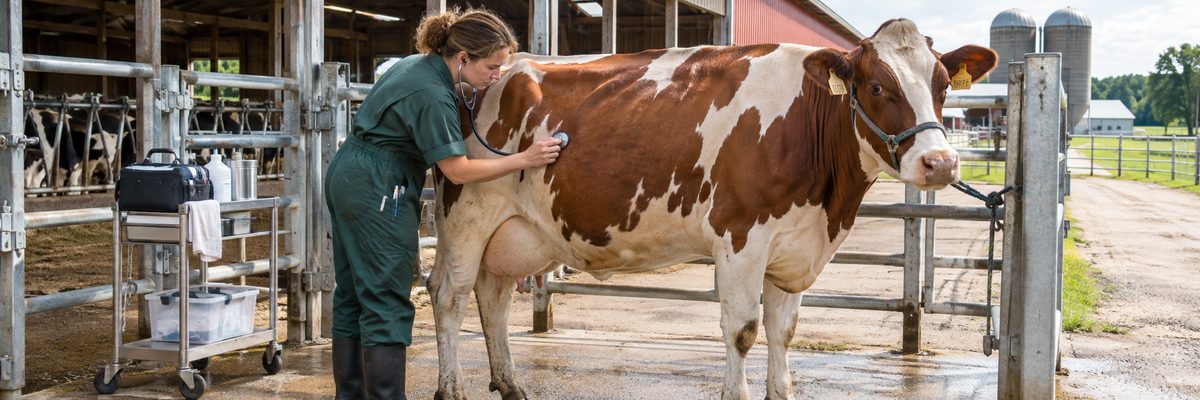
Ask five milkers how they treat a mastitis case and you'll get six answers, one of them involving a tube somebody found in the back of the truck. A written protocol fixes that. It puts the decisions on paper while everyone is calm, so nobody has to improvise at 4:30 in the morning with a kicking cow and a short crew.
This article covers what a good clinical mastitis protocol contains and how to build one. It is general education. The actual drugs, routes and durations come from your herd veterinarian, written for your herd, and the label or the vet's instructions govern every treatment. Nothing here replaces that conversation.
Start with the vet, on paper
The National Mastitis Council's mastitis control program says to develop a herd-level clinical mastitis protocol with a veterinarian who has a valid relationship with the farm. That relationship matters legally for prescription and extra-label decisions, and practically because the vet knows which bugs your herd actually grows. If that connection is thin, the veterinary client patient relationship is the place to start.
Sit down once or twice a year, review the last stretch of cases and edit the protocol. A laminated page in the parlor that nobody has revised since the old milk truck driver retired is a relic, not a protocol.
What goes into the protocol
1. Case grading
Use the three grades the National Mastitis Council describes. Mild means changes in the milk only. Moderate adds visible udder inflammation. Severe adds a sick cow: fever, lethargy, off feed. The grade drives everything after it. If your crew needs a refresher on what each grade looks like, spotting the signs of mastitis covers it.
2. Sampling
Many protocols call for a clean, aseptic milk sample before any treatment so the bug can be identified. Culture results often take around a day on the farm or in a lab. The University of Wisconsin dairy extension notes that diagnostics can identify the likely pathogen within about 24 hours and that, in non-severe cases, waiting that long for results hasn't been shown to hurt cure rates or cow welfare. Severe cases don't wait. On-farm milk culturing explains how that works in practice.
3. Treat by grade and cause
This is the part for the vet to write. In general terms:
- Mild cases may be handled with a wait-for-culture approach, since a share of cultures show no growth and the cow has already cleared the infection. The Wisconsin extension article puts that share at roughly a quarter to a third of cultured clinical cases.
- Moderate cases usually call for a decision based on culture and cow history, such as parity, stage of lactation and past cell counts.
- Severe cases need prompt vet-directed care, including supportive treatment for a sick cow, not just something in the quarter.
The NMC program asks herds to use approved products appropriate for severity and cause, to minimize extra-label use, and to prefer narrow-spectrum intramammary products over broad ones where applicable. Those are decisions that go in your protocol in the vet's words, not yours.
4. Infusion hygiene
If your plan includes intramammary products, the NMC program describes disinfecting the teat, scrubbing the teat end with an alcohol swab, and using partial insertion. Sloppy infusion can introduce the next infection, which is a poor return on a tube.
5. Identification, milk and withdrawal
Treated cows need to be visibly marked, milked last or with a separate unit, and recorded. The milk withdrawal period for each product and the meat withholding time must be followed and written down. Antibiotic withdrawal times and milk discard rules go deeper on the stakes. One tank load of contaminated milk costs far more than any careful record ever did.
6. Follow-up and culling
The NMC program suggests considering culling instead of retreating cows with chronic infections that don't respond. Staph. aureus and Mycoplasma infections are two of the reasons. The National Mastitis Council describes Mycoplasma as having no effective treatment. Your protocol should say how many failed treatments trigger a conversation, who has it, and what the options are.
A simple protocol outline
| Step | What to decide | Who decides |
|---|---|---|
| Detect and grade | Mild, moderate or severe | Milker, using the written definitions |
| Sample | Culture before treatment, yes or no | Written into protocol by the vet |
| Treat | Product, route, duration by grade and cause | Herd veterinarian |
| Segregate and mark | Milk last, leg band, tank diversion | Herd manager |
| Record | Cow, quarter, grade, treatment, discard dates, pathogen | Whoever treats |
| Review | Recurrences, cure rates, culling candidates | Vet and herd manager together |
Records make the protocol work
The NMC program lists what a clinical mastitis record should include: cow identification, date detected, quarters affected, severity, treatment, milk and meat withholding periods, and the causative pathogen. Add in who treated her. If you can't pull up a cow's last three cases in under a minute, you can't judge whether treatment is working, and you can't pass an inspection either. Keeping treatment records that pass an inspection gives a practical setup for it.
Regional and herd differences
A 40-cow tiestall barn in the Northeast and a 3,000-cow dry lot dairy in the Southwest will not run the same protocol. Pathogen mix, housing, crew turnover and lab access all vary. Grazing and organic herds work under added restrictions, and organic rules limit what treatments are allowed, so check what is allowed on an organic dairy and your certifier before anything gets used. Whatever the herd, the structure of the protocol stays the same: grade, sample, treat as written, record, review.
Mistakes that wreck a protocol
- Writing it once and never reading it again.
- Treating by habit, because that is how Dad did it and Dad had a tube for everything.
- Skipping the discard step to save one cow's milk. The tank doesn't forgive.
- Letting a new employee start treating without training on infusion hygiene.
- Treating cows with no plan for the ones who don't respond.
The protocol also needs a spot where a worker can say "this one looks bad" and get the vet on the phone without a debate. Nobody has ever regretted a call placed too early on a down cow.
Sources
The National Mastitis Council's Recommended Mastitis Control Program is the best single checklist to take to a vet visit. The University of Wisconsin dairy extension article A Smarter Approach to Mastitis Treatment explains selective treatment in plain language.
Quick answers
Does every mastitis case need antibiotics?
Not necessarily. University of Wisconsin extension notes that a quarter to a third of cultured clinical cases show no bacterial growth, and some other cases clear on their own. Whether a given cow is treated is a decision for your protocol and your vet, based on severity, culture and the cow's history.
Who writes a mastitis protocol, me or the vet?
Both, together. You know the herd, the crew and the barn. The vet knows the drugs, the regulations and which pathogens show up in your culture results. The vet should sign off on the treatment parts.
How often should I update the protocol?
At least once a year, and sooner after a bad outbreak, a change in milkers or a change in housing. Pull the records, look at which cases cured and which came back, and edit the page to match.