Winter Herd Health Checklist for the Upper Midwest
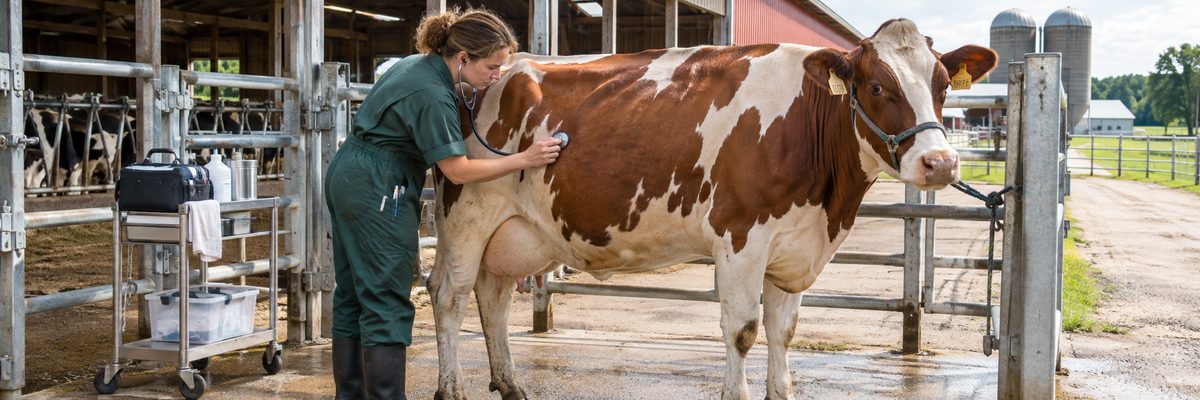
Winter in the Upper Midwest is hard on people long before it is hard on cows. A healthy, dry, well-fed dairy cow handles cold surprisingly well. The trouble comes from the things that go with cold weather: closed-up barns, wet bedding, frozen waterers, frosty teat ends and a crew that is tired and in a hurry. This checklist is built around those, in the order they usually bite.
Cattle have always been popular as weather forecasters, and this farm.FM piece on using your cattle to predict the weather makes the point that cows may not have meteorology degrees, but their behavior can offer real hints about what is coming. Useful, sure, though you still have to check the actual forecast before you decide not to close the curtains. Your cows do not keep an ear on the National Weather Service.
Understand what cold actually does to a cow
University of Minnesota Extension explains that cattle work to hold a core body temperature of about 101 degrees F, and that cold stress sets in when body heat production and the winter coat are not enough. According to the same source, a cow with a dry, heavy winter coat can stand temperatures below roughly 18 degrees F before feeling cold stress, and with good body condition, a clean dry coat, shelter, fresh water and sound nutrition, dairy cattle can tolerate temperatures well below zero. You can read the full article, Managing dairy cattle in cold weather, for the details.
The part to take from it: the coat has to stay clean and dry to insulate. A wet cow in wind loses far more heat than a dry one at a colder temperature. Most winter problems on a dairy are really wet and drafty problems wearing a cold-weather costume.
The checklist
1. Ventilation: keep air moving, not cows freezing
The tendency on the first below-zero night is to close every curtain and door. That traps moisture, ammonia and dust, and moisture makes cows and calves sick faster than cold does. Keep sidewall and ridge openings working so the barn does not turn into a wet cave. Check air quality at cow height, not at your own head. If the barn smells strongly of ammonia, or the inside of the roof is dripping, ventilation is not doing its job. The details are in winter ventilation: keeping barns open and dry. Also seal drafts that hit lying cows directly, such as gaps around doors and curtains, a point the Minnesota article makes as well.
2. Pneumonia watch
Cold, damp and dusty air plus stress is how respiratory disease finds cows. Take temperatures on anything coughing or off feed. Know the signs described in pneumonia in adult dairy cows, and call the vet early. Calves are even more vulnerable, so check them twice a day.
3. Frostbite on teats, ears, tails and hocks
Teat ends are the high-risk spot. Wet teats exposed to wind freeze fast, so dry them thoroughly after pre-dip and keep fresh cows from lying in cold wet gutters. Ask your teat dip supplier for a winter product and follow label instructions for dry time. Do not turn cows out into a wind chill with wet teats. You will find more on protecting teats in winter milking. Watch for ear tips and tail switches too, especially on calves and heifers in hutches.
4. Water that does not freeze
Cows drink less when water is icy or hard to reach, and less water means less milk. Heated waterers, insulated lines and daily checks on every trough. Break ice before it becomes a sheet. A cow that is short on water has a hard time keeping up her intake and her rumen function.
5. Bedding that stays dry
Deep, dry bedding is the best cold-weather insulation a freestall can offer, and the Minnesota article calls deep, clean, dry bedding essential. Add bedding more often and tackle wet spots in the stalls and pack right away. Open lots and outdoor dry cow areas need a windbreak and dry resting space. In a compost bedded pack, keep an eye on moisture.
6. Feed enough energy
Cold-stressed cows burn energy to stay warm. UMN notes that cattle need more calories to stay warm, especially cows in less than moderate body condition, and that thin cows or heifers may need to be sorted out and given more space and feed. Dry cows and heifers also put on weight in winter, so your nutritionist should adjust the ration. See cold weather feeding for Upper Midwest dairies for ideas. Watch bunk space too, because the bossy cows will still push the shy ones off in January.
7. Fresh cows and the transition group
Winter calvings can be hard on fresh cows. Keep the maternity area dry, windproof and clean, and keep following your fresh cow checks. A fresh cow that is cold and wet while calving is a candidate for every problem in the book.
8. Newborn calves
A wet calf in cold wind can get into trouble fast. Dry them, feed colostrum early and keep bedding deep. The article on keeping newborn calves warm in winter covers calf coats, heat sources and safe practices.
9. Equipment, hoses and the parlor
Frozen lines, a balky vacuum pump and a bulk tank that does not agitate properly are winter problems that turn into milk quality problems. Walk the parlor and milkhouse on a cold morning before one fails. Check heaters, insulation, hot water temperature and glycol or plate cooler systems.
10. Footing and floors
Ice and manure on alleys means slips, splits and sore hooves. Scrape often, keep the lanes to the parlor from icing and use rubber or grooved concrete where you can. A cow who slips is a cow who may become a downer.
11. Crew and safety
Dress for it, keep people paired up on the really bad nights and have a plan for power failures. A generator that has not run since last winter is a hope, not a plan. Test it.
A quick daily winter walk-through
- Check water in every pen before you do anything else.
- Look at cows' coats: wet and caked means a problem with bedding, drips or drafts.
- Listen for coughing at the quietest moment, usually before milking.
- Check teat ends at the parlor for chapping or frost marks.
- Check calves for cold, wet bedding and good appetite.
- Look at ceilings and walls for condensation.
- Walk the manure and feed alleys for ice.
Where this changes by region
The Northern Plains and Upper Midwest see the coldest stretches and the most wind. The Northeast has more tiestall barns, where warmer air and humidity can build up quickly without proper ventilation. Grazing herds that outwinter animals need shelter, bedding and a solid feed plan. Do not copy a plan from a Southeast farm into a Minnesota barn, and do not assume a plan built for a 1,000-cow freestall will fit a 50-cow tiestall.
Quick answers
How cold is too cold for dairy cows?
It depends on the cow's coat, body condition, shelter, wind and how dry she is. According to University of Minnesota Extension, a dry cow with a heavy coat can handle temperatures below about 18 degrees F before cold stress starts. Wet and windy conditions make it far worse.
Should I close the barn in a cold snap?
Not completely. Some air movement and exchange are needed to remove moisture and gases. Reduce drafts on lying cows and keep openings working to avoid a damp, ammonia-heavy barn.
How do I protect teats from frostbite?
Dry teats well after pre-dip, use a teat dip your supplier recommends for winter, and do not turn cows into the cold with wet teats. Check teat ends daily for chapping or color changes.