Summer Herd Health Checklist for the Southwest
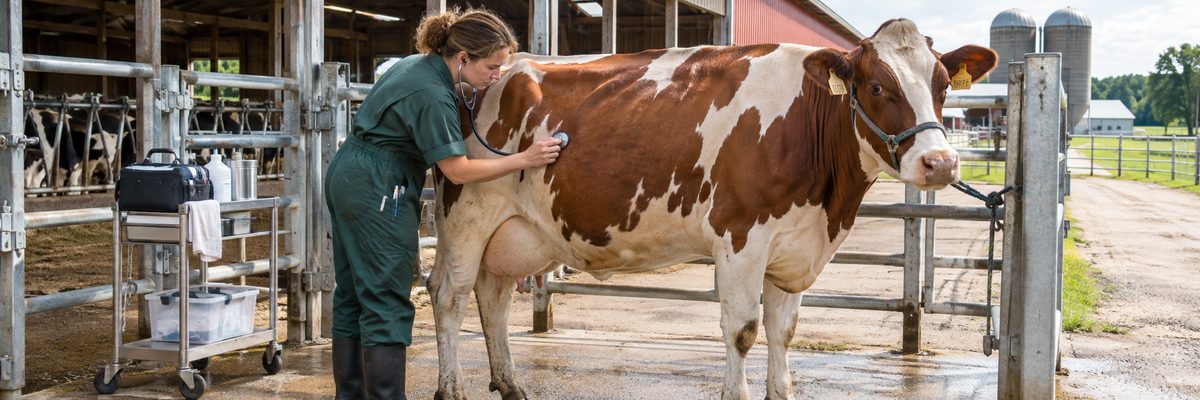
Summer on a Southwest dairy is mostly about one thing: getting heat out of the cow faster than she can pile it up. Everything else on this checklist, from fresh cows to flies to hooves, gets worse when she is hot and eating less. Shade, airflow, water and a short, cool trip to the parlor are the foundation, and the health program is built on top of them.
The desert climate is a mixed blessing. Low humidity makes evaporative cooling work better than it does in the Southeast, but the daytime highs, hot nights and dust bring their own trouble. A cow that never gets a night off from the heat does not have much left over for fighting a metritis or a case of mastitis. Neither does the crew, honestly. The cows just do not complain about it on social media.
Start with heat load
South Dakota State Extension's piece on dealing with heat stress in dairy cows puts the comfort zone for lactating cows at roughly 41 to 68 degrees F, and says dry matter intake starts to fall as temperatures rise beyond that. In severe heat stress, intake and milk production can drop by more than a quarter. The same article estimates about 2 pounds of milk lost for every 1 pound drop in dry matter intake. Those numbers come from a Northern Plains publication, but the principle holds in Arizona and New Mexico, where the cows hit that ceiling by mid-morning for months at a time.
High-producing cows generate more heat because they eat more, so they feel it first. That is why fresh cows and the high string deserve the best cooling in the barn. For a deeper look at layout and equipment, see cooling cows in Arizona and New Mexico summers.
Summer checklist
1. Water first
SDSU notes water intake climbs sharply as temperature goes up, from about 21 gallons to about 32 gallons for a cow when the temperature rises from 86 to 95 degrees. If cows are on outside lots, water should be near shade and near the feed bunk. Check every trough daily, clean algae and manure out of them and make sure the float valves keep up at peak demand, which is usually right after milking. Test any well or non-municipal source, and keep cows off pond water, which can have poor quality and contribute to mastitis and higher somatic cell counts, as SDSU points out.
2. Shade, fans and soakers
Shade over the feed bunk and lounging areas takes load off the cow. Fans and soakers work together: SDSU warns that sprinkling without enough air movement can create a hot, humid mess that stops heat from dissipating. Spray the cows, not the feed, and give them time to dry between cycles. Wet udders and mastitis are not a good pair, so check how your soaker system affects udder cleanliness. The details on timing and nozzles are in sprinklers and soakers for heat-stressed cows.
3. The holding pen is the hottest room in the dairy
SDSU points out that close confinement in the holding pen adds to heat stress. Add fans, sprinklers and shade, and cut the wait. If cows stand packed for an hour in 105 degrees before they ever see a teat cup, your fresh cow plan has already lost ground. Read cooling the holding pen before milking for options.
4. Fresh and close-up cows
The transition period is hard enough without extra heat. Cows that are heat-stressed before calving often eat less, which can increase the risk of metabolic problems like ketosis and retained placenta. Give fresh and close-up pens the best cooling and the lowest stocking density you can manage, and keep running your fresh cow checks as written. Your vet and nutritionist can adjust protocols for the hottest weeks.
5. Feed and ration changes
Cows eat less in heat, so the ration has to deliver more per bite. SDSU notes that low-quality, stemmy forage produces more heat of fermentation in the cow's body than better forage. Your nutritionist may suggest changes in energy density, fiber source, minerals and buffers. Feed during cooler hours, push up feed often and clean out leftovers before they spoil, since heat turns old feed into a mold farm. See feeding dairy cows in hot weather.
6. Flies
Flies spike as temperatures and manure moisture climb. They irritate cows, spread pathogens and cut feed intake and milk. Manage the source: keep manure moving, fix leaks, clean calf areas and bedding and keep standing water drained. Then add traps, parasitoids, baits or approved sprays as needed, always following label directions and milk and meat withdrawal rules. The full playbook is in fly control for dairy barns and calf areas. Penn State's piece on managing heat stress and fly control in young calves is a good complement for the calf side.
7. Mastitis and udder health
Hot, wet and manure-heavy conditions encourage environmental mastitis. Keep stalls and lots as clean and dry as you can, follow teat prep to the letter and watch bulk tank SCC and bacteria counts, which may climb in July before anyone notices. Dust and drought lots in the desert can be a different challenge: dust packed with manure is still a bacterial load.
8. Hooves and lameness
Heat stress cuts lying time, since cows stand to cool off, and standing time on concrete is hard on feet. Lameness may show up weeks after a hot spell. Keep up with trimming and check footbaths, which can be messed up by water, dust and sun. Add a locomotion score to your summer routine.
9. Respiratory problems from dust
In dry, windy stretches, dust is a respiratory irritant for cows and calves. Water down lots and lanes where feasible and watch for coughing, especially in calves in hutches and dry lot pens.
10. Crew
Plan for water, shade and rest breaks for people too, and adjust shifts if you can. A milker who is overheated makes mistakes with teat prep and treated-cow handling, which brings you back to the temperature-humidity index as a daily dashboard for both cows and crews.
Quick summer walk-through
- Water troughs: full, clean, flowing.
- Breathing rates on a sample of cows in the shade at mid-afternoon.
- Fans running, soakers cycling, nothing clogged.
- Holding pen conditions at the hottest part of the day.
- Fresh cows: intake, temperature, rumen fill.
- Fly counts at the calf area and feed bunk.
- Feed freshness: smell it, touch it, check for heating.
Regional notes
In the Mountain West, cool nights can give cows a break, so use them. In the humid Southeast the story changes, because evaporative cooling is less effective, which is covered in herd health challenges for Southeast dairies. Large Southwest dairies with open corrals and shade structures face different problems than a small tiestall herd, but both need an honest look at airflow and water.
Quick answers
At what temperature do dairy cows start to suffer from heat?
Cows are most comfortable between roughly 41 and 68 degrees F, and intake starts dropping as it gets hotter, according to SDSU Extension. Humidity and airflow matter a lot, so a temperature-humidity index is a better guide than temperature alone.
Do soakers make mastitis worse?
They can if cows stay wet without airflow or if water drips into stalls and udders. Use fans with soakers, keep water off the feed and udders as dry as possible and follow a schedule that lets cows dry between cycles.
How do I protect fresh cows in extreme heat?
Give them the best cooling, clean water and fresh feed, and follow your fresh cow check protocol closely. Work with your vet and nutritionist on any ration or treatment changes.