Downer Cow Care and Recovery Tips
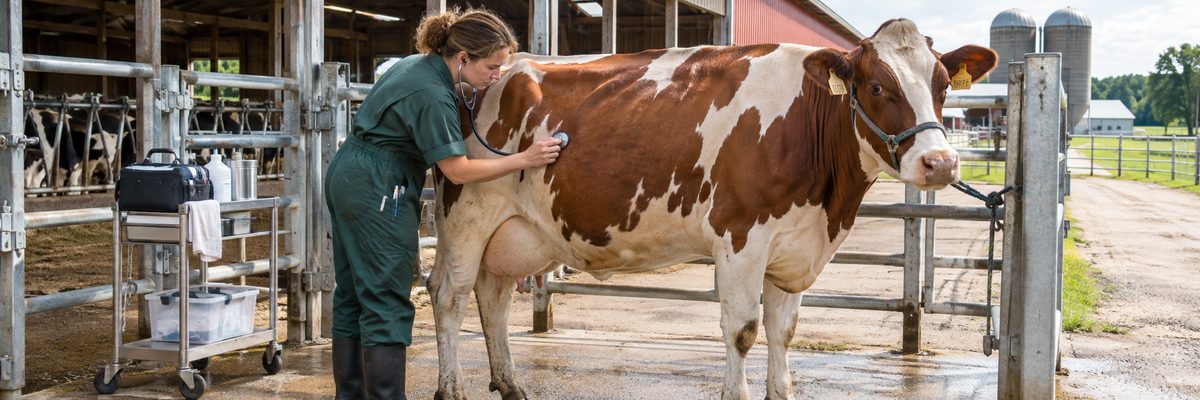
A downer cow is a cow that can't or won't stand. That's a symptom, not a diagnosis, and the first job is finding out why she's down. The second job is keeping her from making things worse while you find out, because a heavy animal lying on concrete does damage to her own muscles and nerves every hour she's there.
Time is the enemy. The longer a cow stays down, the more pressure damage builds up in the muscles of her legs, and the less likely she is to stand even after the original problem is fixed. Call the vet early, put her on soft footing, get water and feed to her, and turn her regularly. None of that is complicated. All of it needs doing right away, not after chores.
No cow has ever gotten up because a group of people stood around looking at her and discussing it. She needs a plan.
Why cows go down
The reasons fall into a few broad groups, and your vet will sort through them. Common causes in dairy cows include:
- Low blood calcium. Fresh cows with milk fever are the classic downer. This one is treatable, and fast treatment makes a big difference.
- Calving injuries. A big calf or a hard pull can damage nerves in the pelvis or strain muscles and joints. These cows are often alert and eating, just unable to get up.
- Injuries from slipping. Splits, hip dislocations and fractures happen on slick floors, especially when cows are pushed or mount each other.
- Systemic illness. Severe mastitis, toxic metritis, pneumonia and other infections can leave a cow too weak to rise.
- Other metabolic problems. Low phosphorus, potassium or magnesium, and severe ketosis and fatty liver.
- Muscle damage from lying too long. Once a cow has been down for a while, secondary damage can keep her there, even if the first cause is resolved.
Nothing in that list is a call to wait. A downer fresh cow is a vet call, same day.
First steps when you find her down
- Call your vet. Describe when she calved, whether she's alert, whether she's eating and what her temperature is. Take her temperature, pulse and respiration if you can do it safely; normal dairy cow vital signs gives you the baseline.
- Get her out of danger. If she's in the alley, stall or on a slope, protect her from other cows and from being stepped on. Don't drag her. Pulling a cow along concrete by the legs or with chains can cause serious injury.
- Prop her upright on her brisket if she's on her side. Cows lying flat out are at risk of bloat and regurgitation. Bales on both sides, or a gentle roll to a sternal position, helps if you can do it safely.
- Put down good footing. Deep sand, a thick straw pack or rubber mats give traction and cushion. Slick concrete is the worst place for a cow to be down.
- Protect her from weather. Shade and fans in summer. Windbreak, dry bedding and possibly a blanket in cold weather.
- Offer water and feed. Put clean water and a bit of good feed within reach. Don't force liquids into a cow that can't swallow properly; that's a way to get fluid into her lungs.
- Keep other cows and people away. Quiet helps. A frightened cow thrashing around can injure herself or you. Cows that are down can still kick.
If she is in a freestall barn, think about moving her to a hospital pen set up for sick cows with deep bedding and a solid gate, once the vet says it's safe to move her. Moving a cow with a fractured pelvis or leg can do more harm than leaving her where she is, which is another reason the vet's opinion comes before the skid steer.
Nursing care during recovery
Many downer cows that get up do so within a day or two when the cause is treatable, such as low calcium. Cows that stay down need good nursing:
- Turn her regularly. Rolling her from side to side every few hours, or as directed by your vet, helps prevent pressure damage to the leg she's lying on. Turn her carefully with several people and avoid twisting her legs.
- Keep her comfortable. Deep, dry bedding and padding under bony points.
- Make sure she's eating and drinking. If she isn't, tell your vet. Fluids and nutrition may be needed.
- Treat pain. Pain control is part of good care, and your vet can prescribe appropriate options along with the milk discard that goes with them. Look at antibiotic withdrawal times and milk discard rules for the general idea.
- Milk her. A cow that's down still needs her udder emptied, so milk her by hand or machine, and watch for mastitis. Keep milk from any treated cow out of the tank until the vet says it's okay.
- Check for pressure sores and swelling in the legs. Report changes.
- Offer her the chance to stand, gently. Try getting her up a couple of times a day with assistance, on good footing, and keep sessions short so she isn't worn out.
Lifting aids: useful tools, easy to misuse
A cow who wants to stand and can't quite do it may benefit from help. Options include hip lifts or clamps, slings and flotation tanks. They take weight off her legs and let her try to bear weight. They also cause damage when used wrong or for too long.
- Hip clamps are meant for short, brief lifts and shouldn't hold her up for long. Pressure on the hips can cause bruising and nerve damage.
- Body slings spread the load better, but the cow must be able to bear some weight, and she must not be left hanging.
- Flotation tanks keep the cow supported in water while the legs recover, and they require a trained operator and equipment on hand.
- Never use chains, ropes around the legs or a tractor bucket to pull a cow to her feet.
Any lifting should be directed by your vet. If a cow can't take any weight on her legs after a lift, leave her be and ask why.
When recovery isn't happening
Not every cow gets back up, and a responsible plan includes knowing when to stop. Signs that the outlook is poor include no improvement after a day or two of proper treatment and nursing, a fracture or dislocation, severe nerve damage, deteriorating condition or a cow in obvious pain who can't be kept comfortable. Your vet can examine her and tell you honestly what's likely.
If the cow can't recover, humane euthanasia is the right call, and it should be done promptly instead of leaving her suffering on the barn floor. See humane euthanasia on a dairy farm for how that works. Federal rules also keep non-ambulatory cattle out of the human food supply, so a down cow can't simply be sent to slaughter; ask your vet and your state agriculture department about options for disposal and what applies in your state.
A prompt, honest decision is part of caring for the cow. It's also the hardest part of the job. Nobody gets good at it, and nobody should.
Preventing downer cows
- Manage calcium and the transition diet so fewer fresh cows crash, and follow a fresh cow check protocol to catch problems early.
- Give good traction. Grooved concrete, rubber flooring in the parlor and alleys, and clean, dry floors cut slips and falls.
- Assist calvings properly, with trained people and clean technique.
- Handle cows quietly and avoid rushing them across wet floors.
- Check the fresh pen several times a day. A cow found early recovers better.
For reference, the Merck Veterinary Manual's page on parturient paresis in cows notes that recumbent cows are at very high risk for muscle and nerve damage, and the American Association of Bovine Practitioners is a good place to look for a vet who works with dairy cattle.
Quick answers
How long can a downer cow stay down and still recover?
The longer she's down, the poorer the odds, because muscle and nerve damage builds up. Many cows with a treatable cause such as low calcium stand within hours to a day or two of treatment, while cows still down after a couple of days of good care often have a poorer outlook.
Should I try to lift her myself?
Not without your vet's guidance. A poorly done lift can injure her more than the original problem, and the person doing it can get hurt too.
Can I milk a downer cow?
Yes, and you should, since her udder still fills. Milk her gently, watch for mastitis, and keep milk out of the tank if she's been given any drug with a withdrawal time.