Herd Health Challenges for Southeast Dairies
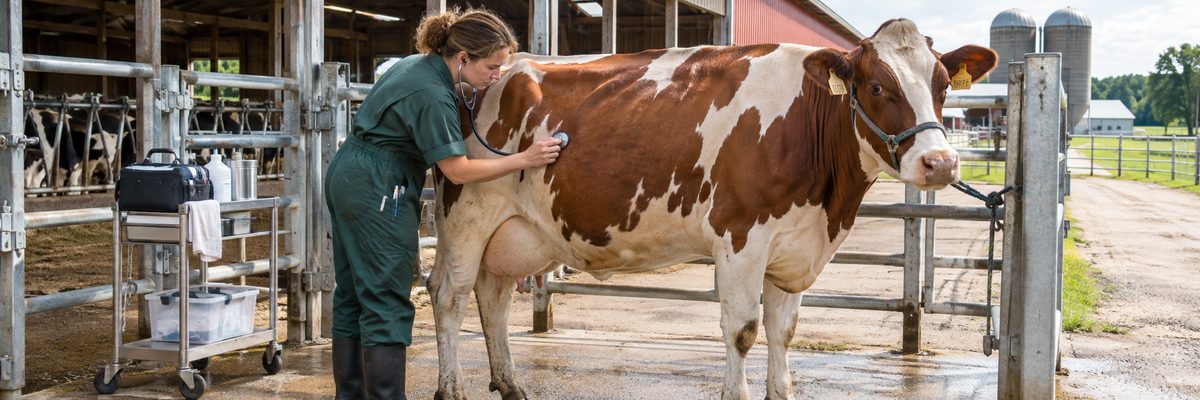
In the Southeast, the weather does a good share of the damage before a bacterium ever gets involved. Wet bedding, standing water, mud at the feed lane and nights that never cool off all push disease pressure up. The same three or four problems show up every year: environmental mastitis, foot trouble, ticks and flies, and cows that quit eating when the heat index climbs.
The fix is rarely one big purchase. It is a handful of boring habits done on schedule, plus a vet who knows what circulates in your county. If you take one thing from this piece, make it this: in humid country, moisture is the common cause. Find where the wet is coming from and half your health list gets shorter.
A cow in Georgia in August is basically a woolly mammoth in a sauna. Treat her accordingly.
Why humidity changes the health picture
Bacteria grow faster in warm, wet organic material. Skin stays softer when it is wet all day, which makes it easier for bacteria to get into the skin. Heat-stressed cows eat less, ruminate less, and drink and stand more, and that standing time puts more load on the feet. Flies and ticks stay active for far more of the year than they do in the Upper Midwest, so the "off season" for parasite control is short or does not exist.
Regional detail matters here. Coastal and Gulf areas, the Piedmont, the Appalachian foothills and Florida all differ in rainfall, soil type and tick species. A Tennessee grazing herd and a Florida drylot herd will not have identical calendars. Ask your extension office and your herd vet what is actually showing up locally.
Mastitis in wet weather
Humid country does come with one small mercy: nobody has to wonder whether the barn is damp.
Wet conditions favor environmental organisms that live in bedding, manure and mud. Those bacteria do not need to be passed cow to cow, so the control points are different from the contagious bugs. If that distinction is fuzzy, environmental vs contagious mastitis lays it out. The practical targets look like this:
- Keep the lying area dry. Add bedding more often during rainy stretches, and fix the low spot that holds water at the end of the pen.
- Keep teats clean and dry at milking. A wet, dirty udder is a bad start for a milking unit. Prep routines matter more when the weather is wet.
- Watch fresh cows and dry cows closely. New infections tend to happen around the dry-off and calving periods, which is why your dry cow plan counts.
- Know your organisms. Culturing milk from clinical cases tells you what you are dealing with and whether treatment makes sense. Your vet can help set that up.
The National Mastitis Council keeps a library of udder health resources at nmconline.org that is worth a bookmark. Any treatment decision, including drug choice and milk discard, belongs with your herd vet and the withdrawal labels, not with a forum thread.
Feet, foot rot and mud
Wet feet are weak feet. Constant moisture softens hoof horn and skin between the claws, and that opens the door to digital dermatitis, interdigital problems and lameness in general. What some people call hoof rot in cattle is usually termed foot rot, and it needs prompt vet attention because it can get serious fast.
Concrete alleys that stay wet and manure-covered are as bad as mud lots. A few practical steps:
- Scrape alleys on a regular schedule so cows are not walking through slurry.
- Build up and crown the heavy-traffic areas around waterers, gates and the parlor exit so they drain.
- Set a regular trimming schedule and score locomotion so you catch lame cows early. Digital dermatitis control goes hand in hand with a decent footbath program.
- Remember that grazing herds have their own version of the problem, since lanes and gateways turn into soup after a wet week.
The cow that finds the one wet, muddy corner of a ten-acre paddock and stands in it all day is not being difficult. She is being a cow. Fix the corner.
Ticks, flies and the diseases they bring
Southeast herds deal with ticks for much of the year, and some tick-borne diseases, including anaplasmosis, are on the radar of vets in the region. An invasive tick species, the Asian longhorned tick, has been spreading across parts of the East and has been linked to a blood parasite that causes anemia in cattle. If your cows look pale, weak or off feed during tick season, call the vet rather than guessing.
Ticks in the Deep South don't take a winter vacation. Flies are the other half of the problem. They irritate cows, spread pinkeye and cut into comfort and intake. Manure management, drainage and sanitation do more than any spray, and fly control for dairy barns goes into the options. Any product used on lactating cows needs to be labeled for dairy and for the use you have in mind. Check the label for milk withdrawal, and ask the vet if there is any doubt.
Heat stress, feed and everything it touches
Cows on the edge of heat stress are more prone to other problems, from slipped fresh cow transitions to poor breeding. Shade, airflow, soakers and clean water are the basics, and cooling for humid heat is a topic by itself. In high humidity, evaporative cooling is less effective, which is why airflow and wetting-and-ventilating combinations get so much attention in this region.
Warm, wet weather also makes feed spoil faster. Moldy silage, wet hay and old TMR in the bunk can lead to off-feed cows and, in some cases, mycotoxin problems. Learn what to look for in mycotoxins in dairy feed, and clean out the feed bunk before the leftover ration turns into a science project.
University of Florida's dairy extension at UF/IFAS is a solid source of Southeast-specific material, and your own state land-grant is better still for local conditions.
A simple seasonal checklist
| Time of year | Watch for | Habit to lock in |
|---|---|---|
| Late winter and spring | Wet pens, mud, calving-season mastitis | Bedding schedule, drainage fixes, fresh cow checks |
| Early summer | First heat stress, rising fly and tick numbers | Cooling equipment tested before the first hot week |
| Midsummer | Low intake, falling components, foot problems | Feed bunk cleanout, extra water access, locomotion scoring |
| Fall | Heat-damaged breeding, hurricane or storm weather | Hoof trimming, vaccination review with the vet |
Treat the table as a starting point and adjust it with your vet. Treatment records, withdrawal times and milk discard dates should be written down every time, no matter how busy the week is.
Quick answers
What is the biggest herd health risk for dairies in the humid Southeast?
There is no single biggest, but moisture-driven problems such as environmental mastitis, foot disease and feed spoilage are consistent ones. Heat stress ties them together because cows under stress are less able to fight off anything else.
Can I treat ticks myself?
You can use labeled products for dairy cattle as directed, but diagnosis is a vet's job when cows look sick. Ask your vet which products fit your herd and what milk withdrawal applies.
Does the Southeast need a different vaccination plan?
It may. Disease pressure and what is circulating locally vary by area, so build the vaccine schedule with your herd vet rather than copying one from another region.