Hoof Bath Recipes and Schedules That Work
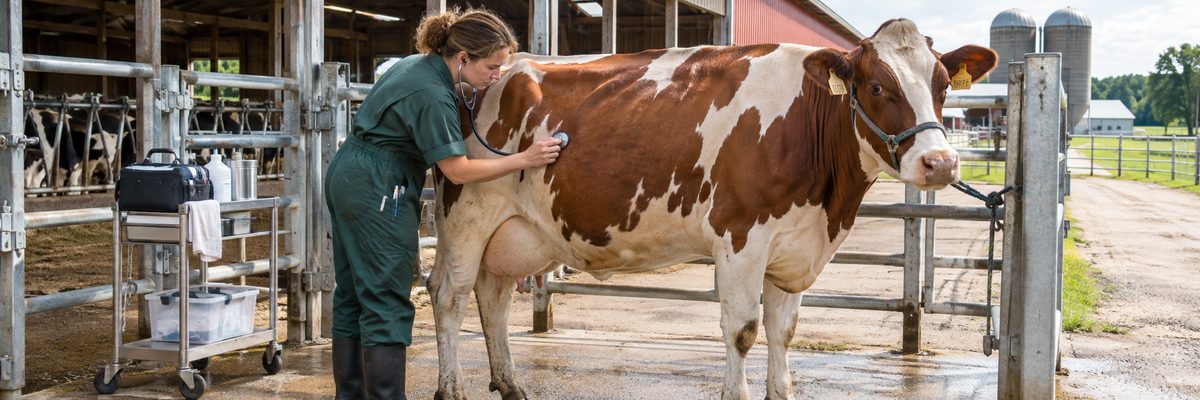
A footbath is a shallow trough of disinfectant that every cow in the string walks through, and it is the single most common tool dairies use against digital dermatitis. It is also one of the most commonly mismanaged. Too short, too shallow, too dirty or too weak, and it becomes an expensive puddle.
The University of Wisconsin dairy extension is direct about what it does: footbaths are designed for disinfecting hooves and preventing digital dermatitis, not for treating it. That framing helps. A footbath keeps clean feet clean and holds the line on prevalence. It doesn't fix a cow with an open lesion, and it doesn't fix a wet floor.
Below: the bath's size and placement, what concentrations extension sources report for common products, how often to change the solution, safety and disposal, and a simple schedule. Always follow the product label, and let your vet and extension specialist guide the choice for your herd.
Get the bath itself right first
Product matters less than geometry. Wisconsin's guidance on footbaths gives these numbers:
- Length: at least 10 feet, so each cow steps in twice with each hoof. The Dairyland Initiative's footbath blueprint at the University of Wisconsin School of Veterinary Medicine recommends 12 feet, and a behavioral trial reported the chance of two immersions per hoof rising from 53 percent in a 6-foot bath, to 84 percent in 8 feet, to 96 percent in 10 feet.
- Width: cows will pass through at 20 inches, but 24 inches is recommended to keep traffic flowing.
- Depth of solution: a minimum of four inches so the dewclaws are submerged. The blueprint cites about 3.5 inches as desirable with a 10-inch step-in height, which holds the chemical better than a 5-inch step.
- Walls: outward-sloped sides and three-foot high walls, ideally with one side that can drop down if a cow goes down in the bath.
Location counts too. Wisconsin says the best spots in a freestall or bedded pack barn are transfer lanes and return lanes, about two-thirds of the way down the return alley so cows leaving the parlor don't jam. In a tiestall barn, put it where cows exit the barn and can pass safely. Prewash or a clean-water rinse before the bath, where it fits your layout, keeps manure out of the solution.
Common products and the numbers extension reports
These come from the University of Wisconsin footbath management article. They are general information, not a recipe for your herd. Label directions and local rules rule.
| Product | Reported concentration | What extension says |
|---|---|---|
| Copper sulfate | 2 to 5 percent | Antibacterial, hardens claw horn, low cost per cow; reduces incidence and severity of lesions in research; neutralized quickly by organic matter, so dirty baths work worse |
| Formalin | 3 to 5 percent | Kills bacteria, hardens horn, inexpensive, no resistance; suspected carcinogen needing good ventilation and safety precautions; may not work below 50 degrees Fahrenheit; may slow healing of open claw lesions |
| Other commercial products | Per label | Follow the label; ask your vet about evidence for your herd |
The article also recommends keeping solution pH between 3.5 and 5.5, since normal skin pH sits around 4 to 5.5. It adds that optimum concentration isn't one-size-fits-all and varies with the product.
A word on safety: formalin needs ventilation and care for whoever mixes it, as Wisconsin notes. Wear the protective gear on the label, keep it away from the milk house, and don't improvise. Local and state rules on handling and disposal differ, so check with your state agriculture department and extension before deciding on a product.
How often to change the bath
Wisconsin extension's guidance is to change the solution after roughly 150 to 350 cows pass through, based on how clean the feet are. If cows have cleaner hooves and legs, it can go to 300 to 350. Dirty feet mean more frequent changes. The same article says formalin may retain activity for up to about 330 animal passes in research. Count cows rather than guessing by the color of the water. A tally on the wall or a pass counter beats trusting the person who's been staring at the bath too long.
Top off to keep depth, but don't top off forever. A bath that looks like chocolate milk is a bath that has finished its job.
A sample schedule
Your vet or hoof health consultant should set this for your herd based on how much DD you have. As an illustration of how herds structure it:
- Baseline. Score feet to learn current prevalence. Digital dermatitis treatment and control covers scoring and topical treatment.
- Treat first. Wisconsin says open lesions should be topically treated before the cow goes through a footbath.
- Set a bath frequency. Many herds run baths a few times a week at first or in a rotation, then adjust as prevalence drops. Some run every milking for a short, intense period. There's no universal rule, and the Wisconsin article quotes Dr. Dörte Döpfer that a one-size-fits-all footbath protocol doesn't exist.
- Make it routine. Same day, same person, same checklist so it doesn't get skipped on a busy Tuesday.
- Re-score every few months. If prevalence isn't falling, check bath size, solution strength, cleanliness and manure management before you change products.
Copper, manure and the environment
Used copper sulfate solution goes into the manure system on many farms, and University of Wisconsin extension has published work on how copper from footbaths affects manure, soil and forage copper concentrations in eastern Wisconsin. Copper accumulating in cropland is a real consideration, and it's one reason herds look at alternatives or reduce volume. Check with your nutrient management planner and local rules before dumping used solution into a manure pit. Some pits feed crop fields where sheep are also grazed, and sheep are sensitive to copper, so mention that to whoever handles your manure plan.
Regional notes
Cold winters in the Upper Midwest and Northeast complicate things: baths freeze, and formalin has temperature limits. Humid Southeast and wet West Coast winters create constant DD pressure and more demand for footbath use. Dry-lot dairies in the Southwest face manure-laden corral mud around the parlor, which fouls baths fast. Grazing herds often use a smaller setup at the parlor exit or skip baths and rely on lane maintenance. Mud, wet paddocks and lameness in grazing herds covers the lane side. Organic herds have to check product allowances with their certifier.
Mistakes to avoid
- A 6-foot bath that cows cross in two steps.
- Skipping the pre-wash, and wondering why the solution turns to soup after 60 cows.
- Mixing by eye. The label concentration is not a suggestion.
- Running a bath on a cow with an open lesion that hasn't been treated.
- Forgetting the safety gear with formalin.
- Treating the footbath as the whole plan. Dry floors and regular trimming do more than any recipe, and how often to trim dairy cow hooves is part of the same job.
Sources
University of Wisconsin dairy extension's Footbath Management and The Ideal Footbath are the sources for the dimensions, concentrations and change-out guidance above.
Quick answers
How long should a dairy footbath be?
University of Wisconsin extension recommends at least 10 feet, with a design blueprint at 12 feet, so each hoof is immersed at least twice. Shorter baths miss too many hoof dips.
How many cows can go through a bath before changing it?
Wisconsin extension says to change the solution after roughly 150 to 350 cows, toward the higher end if feet are clean and the lower end if they're dirty. Check the product label too.
Is copper sulfate or formalin better?
Wisconsin describes both as reducing lesion incidence and severity, with different trade-offs: copper is neutralized by manure and raises manure copper concerns, while formalin needs careful handling and has temperature limits. Your vet can help pick for your herd.