Building a Biosecurity Plan for a Dairy Farm
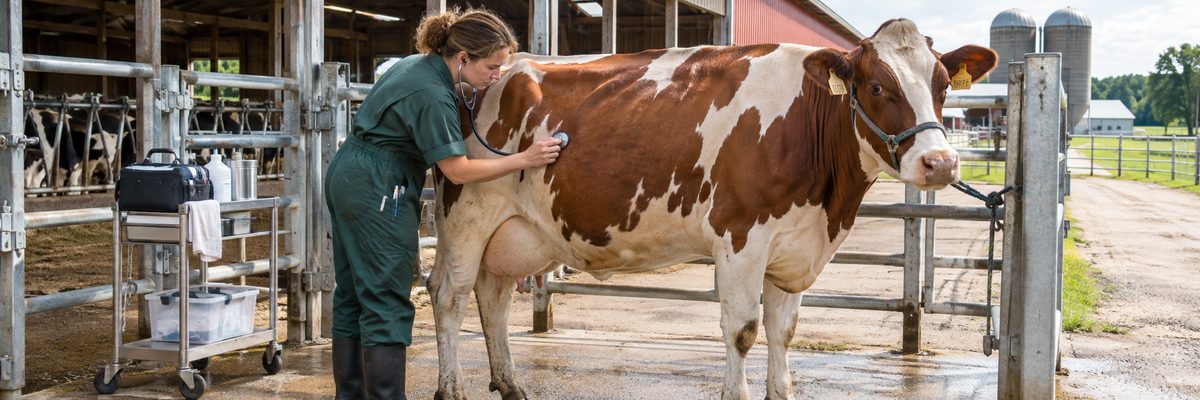
A biosecurity plan is a written set of rules for what is allowed to cross your farm boundary and how. On a dairy, that means people, vehicles, animals, equipment, feed, milk, and the occasional flock of waterfowl that has decided your heifer pond is a vacation spot. The plan does not need to be fancy. It needs to be specific enough that a new hire, the relief milker and the feed driver all know what to do without asking.
Start with three decisions: where your line of separation sits, who is allowed past it, and what happens to every animal that arrives. Everything else in the plan hangs on those three. If the answer to the last one is currently "she goes in with the others, she looks fine," that is where to begin.
Every farm has a biosecurity plan. On most, it is just unwritten and lives in the head of one person who is about to go on vacation.
Why write it down
Diseases that cost dairies the most, such as Johne's, BVD, contagious mastitis and now avian influenza, mostly arrive the same way: on an animal, on a truck, on boots or in the milk. A written plan turns "we are careful" into things people can actually do. It also makes a vet visit and any audit or buyer questionnaire a lot easier, because you hand over a page rather than a speech.
Your herd veterinarian is the best partner for this. They know which diseases your herd is free of, which ones you already live with, and where your farm is most exposed. Iowa State's Center for Food Security and Public Health publishes a dairy biosecurity plan template that gives a blank structure to fill in, which beats staring at an empty page.
Step 1: Draw the line of separation
University of Wisconsin Extension recommends a line of separation around the facility to control the movement of people, vehicles and equipment. Practically, it is a mental and physical boundary. Outside it: the road, the neighbor, the rendering truck, the feed delivery. Inside it: cattle, milk, feed storage and anything that touches them.
Walk the farm with a notepad and ask where traffic crosses that line. Common crossing points:
- The milk truck pickup and the tank room.
- Feed delivery and the commodity shed.
- The dead animal pickup spot.
- Where calves and cull cows are loaded.
- The driveway visitors take to the office, which often passes right by the calf hutches.
Where you can, move the crossing to the edge. Put the dead stock pickup at the road, not at the barn door. Load cattle from a spot that keeps the hauler outside the barn. The shorter the route a truck takes through your farm, the fewer opportunities it has to leave something behind.
Step 2: People and visitors
People carry manure on their boots. That is the entire lesson. Wisconsin's guidance calls for visitor and employee logs, handwashing, clean clothing and disinfected footwear, plus signs that remind everyone. The Wisconsin Department of Agriculture adds that you should give the highest priority to visitors who visit other farms often, who were on another farm that same day, or who do not follow disease control practices.
A visitor policy that works
- One sign at the entrance with a phone number, so nobody wanders into the barn looking for someone.
- A visitor log: name, date, last farm visited.
- Clean boots and coveralls available in the barn, or boot covers and a scrub-and-dip station.
- Visitors stay out of calf areas and the hospital pen unless they have a reason to be there.
- Employees follow the same rules, including the cousin who helps on weekends.
The vet and the hoof trimmer are the visitors you want most. Ask them to arrive with clean boots and clean equipment, and tell them you will do the same. Good professionals do not take offense. They have seen worse.
Step 3: Vehicles, trucks and shared equipment
Milk haulers, feed trucks, manure haulers, nutrition consultants' pickups and the guy delivering bedding all come and go. Set specific routes that keep trucks away from animal areas and keep feed from crossing paths with manure. The Wisconsin Department of Agriculture's dairy biosecurity sheet suggests having bull calves, sale animals and dead animals picked up without dealers, haulers or renderers entering the barn.
- Use your own trailer to haul purchased or show animals when you can, and clean it after every trip.
- If someone else hauls for you, ask that they start with a clean vehicle.
- Clean borrowed equipment before it touches your farm, and clean your own equipment before it leaves.
- Use your own halters and ropes.
- Keep skid steers and feed wagons from doing double duty between manure and feed without a wash.
Show season deserves its own note. Animals that come back from a fair mix with every herd in the county. Treat them as new arrivals, and read about how to quarantine new cattle on a dairy before the trailer is unloaded.
Step 4: New and returning animals
This is where most diseases arrive. A closed herd is the best protection, and the next best is buying carefully. Wisconsin's guidance recommends isolating new or returning animals for around 30 days, and Minnesota's department of agriculture mentions at least 21 days in its avian influenza guidance. Your vet will set the number for your farm.
Plan for these questions before an animal ever arrives:
- Where is the isolation pen, and does it keep airspace and nose contact away from the herd?
- What will the animal be tested for, and when are samples drawn?
- Who chores the isolation pen, and what do they do before touching the herd? (The best answer is that they do it last.)
- What vaccines does she get during isolation?
Testing priorities vary by region and herd. Many farms look hard at BVD and Johne's disease status, plus contagious mastitis, but the right list is a conversation with your vet and the seller. A calf from a herd that will not share records is also telling you something.
Step 5: Milk, calves, wildlife and pests
Feeding raw milk or colostrum from cows that may carry Johne's or H5N1 to calves is a disease pathway, and Wisconsin's guidance says not to do it when cows could spread them. Pasteurizing waste milk is the usual fix. Details on that and on the current avian influenza situation are in this guide to avian influenza in dairy cattle.
Wildlife and pests count as visitors. Keep feed covered, fix gaps that let birds nest over the feed alley, discourage waterfowl from using your ponds and troughs, and control rodents. Flies are a vector too, so fly control in dairy barns belongs in the plan.
Step 6: Make it real
A plan that lives in a binder helps nobody. Do these four things:
- Post a one-page version at the barn door and in the break room.
- Train every employee, including the part-timers and the relief milker, when they start and once a year after that.
- Assign one person to own it. If everyone owns it, nobody does.
- Review it with your vet after any outbreak, near miss or major change.
Pair it with your written SOPs for milking and calf care so biosecurity is part of the daily routine and not an extra job. Also keep records of illness, treatments and deaths, and have the vet examine unexpected deaths. A cow that dies for an unknown reason is more than bad luck. It is information you paid for.
Quick answers
What is the single most important biosecurity step on a dairy?
Controlling what comes in on four legs. Buying animals from known-status herds, testing, and isolating them before they join the herd prevents more trouble than any other single habit.
Do small family dairies need a written plan?
Yes, though it can be one page. The same diseases hit a 30-cow herd as a 3,000-cow herd, and a written plan keeps everyone who helps in the barn doing the same thing.
How often should the plan be reviewed?
At least once a year and after any outbreak, new disease alert in your area, or change in how you buy animals or move traffic. A fall review before the busy season works well for a lot of farms.