Pinkeye in Dairy Cattle Treatment and Prevention
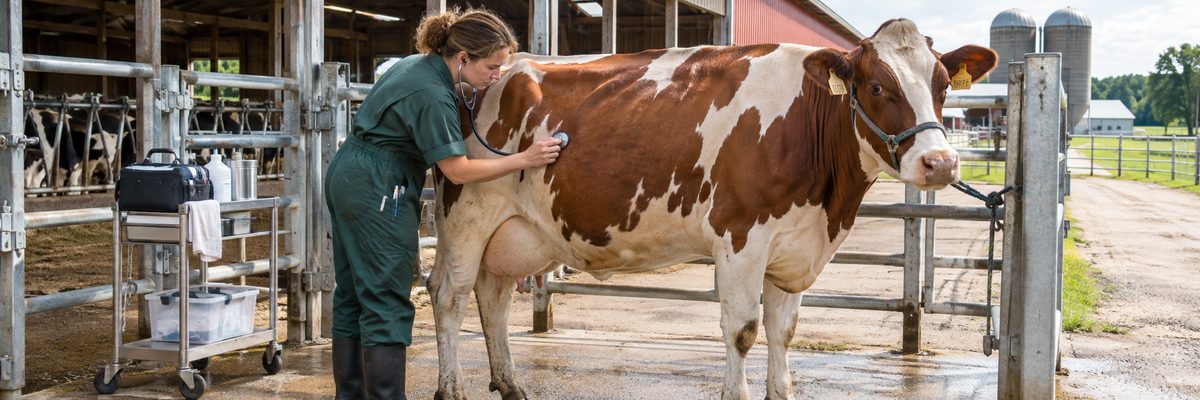
The first sign of pinkeye is usually a calf squinting at nothing, with a wet streak running down her face. By the next morning, three of her hutch neighbors are doing the same thing. It spreads fast, it hurts, and if it is not caught early a cloudy spot on the eye can turn into a scarred cornea or a blind animal.
The good news is that most animals recover on their own, and early action helps the rest. The better news is that a few cheap habits, mostly around flies, dust and sharp edges, can keep the first case from becoming the whole group.
This article covers how to recognize pinkeye, what first steps make sense, what your vet may add, and what to change around the barn and pasture to cut the odds of a repeat.
What pinkeye actually is
The formal name is infectious bovine keratoconjunctivitis, or IBK. The University of Wisconsin-Madison Division of Extension describes it, in its guide to managing and preventing pinkeye, as a disease of the cornea (the surface of the eye) and the conjunctiva (the eyelids). It is reported as the most common cause of eye disease in breeding females and in calves over three weeks old.
The main culprits are Moraxella bacteria. Moraxella bovis is the classic cause of "summer pinkeye," and Moraxella bovoculi is often associated with a winter form that can show up in stabled cattle. Normal eyes defend themselves well. The infection takes hold when something irritates the eye first: face flies, dust and sand, UV light from bright sun, weed seeds and chaff, sharp edges on pens and feeders, tall dry stalks of grass along field margins, and rough bedding. Stress also plays a part, and so do deficiencies in selenium, copper and zinc, which Wisconsin says have been found in repeated herd outbreaks. Younger cattle are more susceptible than older ones.
Not every red eye is pinkeye. Wisconsin lists other causes, including viral infections such as IBR and BVD, and a condition linked to silage feeding called silage eye (associated with Listeria). That is one reason a vet exam matters when cases do not respond.
Early signs
Catch it early and you have a much easier job. Wisconsin says the first signs of any eye irritation are often tearing, tear staining and squinting. It can also appear as a sudden opaque spot on the cornea, and as it progresses the cornea may ulcerate. Cows in pain eat less, and a cow that cannot see well has trouble finding feed and water.
- Watery eye and a stained face
- Squinting or holding the eye shut, and sensitivity to light
- A white or cloudy spot on the surface of the eye
- Swelling or redness of the lids
- Later, a blue-white cornea or a visible ulcer
If you see a calf with a closed eye, grab her. Waiting a day to see how it looks tomorrow is how one calf becomes a pen.
First steps when you see a case
- Isolate the animal. Wisconsin says the veterinary community agrees that prompt isolation is important, and that relief from sunlight aids recovery. A dim pen or a stall out of the sun helps her, and it keeps her from sharing the bacteria with the group.
- Call your vet. A diagnosis matters, because cases that fail to respond to treatment are often not simple Moraxella. If you are not sure whether to call, when to call the vet for a sick cow helps with that decision.
- Protect the eye. Wisconsin lists stabling the animal, eye patches and sometimes suturing the lids as beneficial, depending on severity. Your vet will decide which fits.
- Treat the animal last. The handling itself can spread the disease, which Wisconsin points out, so do the affected animals after the healthy ones and clean your gloves and hands between animals.
- Look for the cause of the irritation in the pen. A loose wire, a dusty bunk, and flies are all clues.
Treatment and what your vet may do
Wisconsin notes that treatment outcomes are highly variable. It cites a reported 98 percent spontaneous recovery rate and says that eye loss occurs in about 2 per 100 animals. But when a herd breaks with pinkeye, attack rates can range from 20 to 100 percent, with an average of 44 percent prevalence. That is a lot of calves with sore eyes at once, and it is why early action pays.
The university says a few antibiotics are labeled for pinkeye, and other drugs are sometimes used extra-label under veterinary direction, with eye-area injections and ointments in the mix. This article will not suggest products or doses. Your vet picks the product, the route and the schedule. What you should know:
- Every antibiotic carries withdrawal times for meat and, in lactating cows, milk. Ask your vet for exact numbers and write them in the treatment record. See antibiotic withdrawal times on a dairy for the general idea.
- Some injection sites near the eye have caused residue violations according to the Wisconsin piece, so follow your vet's directions closely.
- Moraxella bovoculi appears to be less sensitive to commonly used antibiotics, and mixed infections sometimes fail treatment.
- Healing takes time. Even after the bacteria are gone, the cornea may keep repairing, and a badly scarred eye may never clear.
Wisconsin also cautions against modified-live IBR vaccines during an outbreak, since infected cattle are immune-stressed. Ask your vet before giving anything new to a group with sore eyes.
Prevention that actually works on a dairy
Wisconsin's summary is that eliminating eye irritants, including controlling face flies, may be more effective than vaccination alone. That fits a dairy, where most of what you can control is housing, pasture and calf management.
Flies
Face flies carry the bacteria and irritate the eye. Sanitation, traps and biological tools do more than any one spray; fly control for barns and calf areas covers the basics, and humid Southeast fly pressure on calf hutches is worth reading if you live in that region.
Physical hazards
Walk the pens and the pasture edges with the eyes of a heifer: a broken board, a wire end at head height, a pile of dusty hay in the feeder. Wisconsin lists sharp edges, abrasive bedding, overcrowded bunks, and dry stalks along field margins. Fix the ones that are at eye level. Plan hutch placement and spacing so calves are not facing a dusty lot or each other's flies.
Sun and shade
UV irritation is a trigger. Shade for pastured heifers and dry cows, and grazing in the cooler evening and night hours when flies are less active, cut exposure. Heifers on summer pasture in the Midwest and Northeast are a classic pinkeye group.
Minerals
Selenium, copper and zinc support eye health, and Wisconsin says to make sure intake is adequate months before pinkeye season. A balanced ration is the starting point, so see dairy mineral program basics and talk to your nutritionist. More is not better, so work from a ration balance and not a guess.
Vaccines
Commercial pinkeye vaccines exist, but Wisconsin points out that M. bovis vaccines do not protect against M. bovoculi, and the reverse. They also need to be given three to six weeks before the traditional summer season to build immunity. Whether a vaccine is worth it depends on your herd history, and your vet can help match it to the strains on your farm.
Regional notes
Summer pinkeye is most common wherever face flies and bright sun overlap with grazing cattle, which includes much of the Upper Midwest, Northeast and Southeast pastures. Large dry-lot herds in the Southwest see more dust and sun than flies, so windbreaks, shade and dust control carry more weight. Winter pinkeye can show up in stabled cattle where ammonia, dust and poor ventilation irritate eyes.
Quick answers
Is pinkeye contagious to people?
Pinkeye in cattle is a cattle disease, but wash your hands after handling sore eyes anyway, since the discharge is dirty and eyes are easy to infect. If you get an irritated eye, see your doctor.
Will pinkeye go away on its own?
Many cases do, per the Wisconsin summary of a 98 percent spontaneous recovery rate. But some cases lead to ulcers and blindness, so a vet check and shade are better than hoping.
Can I milk a cow being treated for pinkeye?
Possibly, depending on the drug and its label. Your vet will tell you whether milk needs to be held and for how long, so ask before treatment starts and record it.