Internal Teat Sealants at Dry-Off
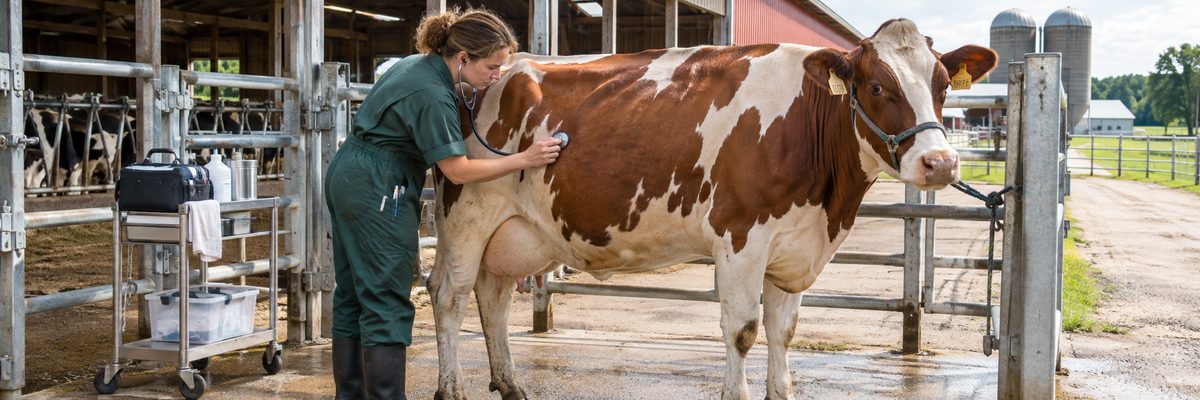
A teat sealant is a plug. It's a thick, non-antibiotic paste that goes into the teat canal at dry-off and sits there as a physical barrier while the cow rests. The idea is simple. When milking stops, the teat canal can take a while to close, and a dry pen full of bacteria is waiting. The plug fills the gap.
Simple idea, fussy execution. A sealant works when the cow is clean, the teat end is clean and the person doing the infusing treats it like surgery on a small scale. It fails when it's done in a hurry on a dirty teat, which is how a barrier becomes a delivery system.
This article covers where internal sealants fit, which cows are candidates, how clean infusion goes step by step, and what to watch for afterward. Product labels and your vet's instructions override anything here.
What sealants do and don't do
Penn State Extension notes that teat sealants create a physical barrier between the surrounding environment and the teat canal, and that for cows entering the dry period without an existing intramammary infection, internal sealants have been shown to reduce the likelihood of a new infection during the dry period.
What they don't do:
- Cure an existing infection. A sealant is not an antibiotic. Sealing over an active infection is a mistake, which is why cow selection matters.
- Replace clean housing. Penn State's article is blunt that good management of dry cow housing remains critical. Dry cow housing and close-up pen management and the sealant work together.
- Fix a dirty infusion routine. The product is only as clean as the process.
Which cows get one
That depends on your protocol. In the selective dry cow approach, uninfected cows with low cell counts and little mastitis history get a sealant alone, and cows with evidence of infection get an antimicrobial plus a sealant, with the antimicrobial infused first per the National Mastitis Council. Selective vs blanket dry cow therapy goes through how herds choose.
The NMC also notes that in high environmental exposure situations, an internal or external sealant is recommended for dry cows. Internal sealants are applied once at dry-off. External sealants tend to last only a few days and need reapplying, so they are a different tool for a different problem.
The NMC raises one more group: first-calf heifers, who can bring new pathogens into the herd. It suggests considering internal sealants before calving in heifers if it makes economic sense and the application can be done safely and hygienically. That's a vet-guided decision, and not one to try on a whim with a heifer that's never had her udder handled.
Clean infusion, step by step
Follow your vet's protocol and the product label. In general terms, the NMC's dry cow checklist and common practice look like this:
- Be ready before the cow is. Gloves on, clean supplies on a clean tray, sealant tubes and any antimicrobial in date, a marker or leg band on hand. Single-dose applicators only.
- Milk her out last milking, then dip. The NMC recommends managing milk production down before dry-off, at 33 pounds a day or less, and drying off step by step covers that part.
- Clean and disinfect the teats. Remove dirt, apply a germicide and let it contact the time the label says, then dry.
- Scrub the teat end with an alcohol-soaked swab. Common practice is to use a fresh swab on each teat and keep wiping until the swab comes away clean, working in an order that keeps your arm from crossing a teat you've already scrubbed.
- Infuse in order. If an antimicrobial is going in, that goes first. The sealant goes in after.
- Use partial insertion. The NMC specifies the partial insertion method, where only the tip of the cannula enters the teat canal, which reduces damage to the canal's natural defenses.
- Do not massage the sealant up into the udder cistern. Manufacturers generally say to hold the teat end and keep the product in the teat canal. Read the label for your product, since instructions differ for sealants and antimicrobials.
- Dip the teats with a post-dip as the protocol says.
- Mark the cow and record the treatment, product, batch number and withdrawal times.
Practicing on a dozen cows with an experienced hand watching beats a video, though videos help. A good vet or sales rep from the product company will often run a training session for the crew.
Timing and logistics
Do all four quarters in one session, with one person doing the whole cow so the sequence never gets split. Keep the dry-off group in a clean, dry spot afterward. Give the freshly treated cows fresh feed and water so they stay on their feet for a bit, and a clean, dry place to lie down when they do.
Regional notes: in humid Southeast herds with heavy bedding challenges, in muddy spring corrals out West or in wet Northeast tiestall barns, the dry pen surface is going to be the weak link. A sealant can't fix a lot of mud.
What to watch afterward
- Dry pen udder checks. The NMC says to visually inspect udders regularly in the dry pen. Swelling, heat or a leaking quarter needs a call to the vet.
- Close-up and calving. Cows come back into the parlor with a sealant plug still in the teat. Ask your vet and the product label what to do at calving. The usual practice is to strip it out thoroughly so it doesn't end up in the milk or the milking unit, and to follow label directions for removal.
- Records. Mark which cows got sealant alone and which got both so you can compare fresh cow mastitis rates later. Keeping treatment records that pass an inspection makes that comparison easy.
Mistakes to avoid
- Skipping the alcohol scrub because the teat looks clean. Looks aren't a test.
- Reusing a partly used applicator. Use single-dose products.
- Sealing a cow who should have had an antimicrobial.
- Letting an untrained hand do dry-off on busy day.
- Sending the dry cow to a muddy pen. Bacteria love a mud bath, and the cows won't be coming out of it relaxed.
A sealant is a good tool and a poor excuse. It won't rescue a dry pen the cows have to wade through.
Sources
Penn State Extension's selective dry cow therapy article explains what sealants do. The National Mastitis Council's recommended mastitis control program lists dry-off infusion steps.
Quick answers
Can I use a teat sealant on every cow?
Not blindly. Sealants don't treat infection, so cows with evidence of mastitis may need an antimicrobial as well. Your vet and your herd's SCC and mastitis records decide which cows get what.
Internal or external sealant, which is better?
They do different jobs. The NMC says internal sealants go in once at dry-off, while external sealants last only a few days and need reapplying. For a whole dry period, internal is the usual choice.
What happens to the sealant at calving?
Follow the product label and your vet's advice. It usually needs to be stripped out of the quarter after calving so it doesn't end up in the milk or the unit.