A2 Milk: Is a Premium Market Worth Testing For?
What A2 milk means, how cows are genotyped, what testing might cost a small herd, and whether a buyer or customer base exists before you start sorting cows.
Milk pricing, federal orders, co-ops, haulers, creameries, cheese and on-farm processing.
What A2 milk means, how cows are genotyped, what testing might cost a small herd, and whether a buyer or customer base exists before you start sorting cows.
How base-excess milk programs work, what overbase deductions do to your milk check, and how they differ from quota systems, with questions to ask your buyer.
Most milk is paid on pounds of butterfat, protein and other solids, not just volume. See how each component is priced and what moves them on your farm.
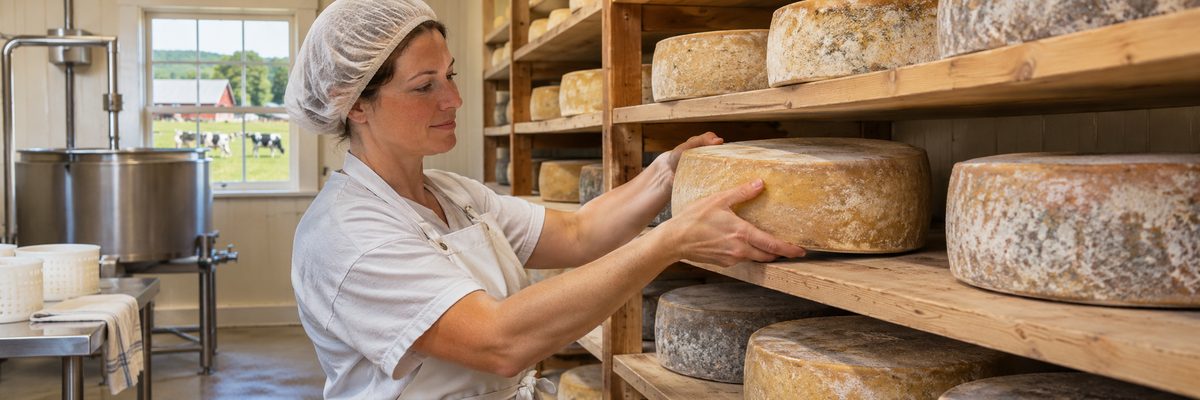
Starter cheeses that suit farm milk, the basic equipment, the mistakes that ruin first batches and what to know before you ever think about selling.
Batch (vat) versus HTST pasteurizers for small dairies: how each works, how to size one to your milk volume, and what to ask your regulator before buying.
Class I is drinking milk, II is soft products, III is cheese and IV is butter and powder. Learn what each class covers and how it shows up in your pay.
Class III milk futures at the CME show where traders expect cheese-based milk prices to go. Learn how they work, what they signal and where farms use them.
How a dairy co-op builds your equity through retains and patronage, how it's held and paid back, how it's taxed in general, and what to ask about redemption.
Compare selling milk through a co-op or a private handler: ownership, pay, premiums, equity, contracts and what happens in a flush. A fair look at both sides.
Where goat dairies sell milk, how goat milk pricing differs from cow milk, and what to ask processors before you add does to the herd or sign a contract.
Compare farm store, home delivery and farmers market sales for dairy products, including labor, licensing, cold chain and which outlet fits a small herd.
Compare every-day and every-other-day milk pickup on hauling cost, tank size, milk quality and storm risk before you ask your handler for a schedule change.
What the dairy plant licensing process usually looks like: pre-application calls, plans review, equipment approval, inspections and the paperwork that follows.
Glass or plastic for farm bottled milk? Weigh deposit systems, washing equipment, breakage, weight, regulations and what customers will actually pay for.
How grass-fed milk programs pay, what they typically require of the herd and the winter feed plan, and how certification differs from organic standards.
How a herd share agreement for raw milk is structured, what the contract usually covers, and why courts and regulators in some states treat it as a sale.
Follow the money from wholesale cheddar to the Class III formula to your blend price, and see why a cheese rally does not always land in your milk check.
How dairy co-ops are owned, how they market milk, what equity and patronage mean, and what members owe in return. A plain look at the structure behind the milk truck.
See how exports of whey, powder and cheese and foreign tariffs reach the farm gate, and how to read trade headlines without losing sleep.
Federal milk marketing orders set minimum prices by how milk is used and pool the money across farms. See how that shapes the blend price on your milk check.
Follow milk from the bulk tank through the hauler, receiving tests, pasteurization, packaging and distribution, and see where a dairy farm's work shows up.
Before you buy the first cow, line up a market. Who to call, what buyers ask for, what they need from your farm, and how to keep a backup plan if no one has room.
The rules behind legal farmstead cheese: licenses, facility needs, pasteurized versus raw milk cheese, aging requirements, labeling and who to call first.
How to price farmstead cheese: work out cost per pound from milk, yield, labor and aging loss, then set retail and wholesale prices that leave a profit.
Learn what each line on a milk statement means, from pounds and components to premiums, hauling, checkoff and equity deductions, so you catch mistakes early.
A step by step plan for starting an on-farm creamery: picking products, checking your milk contract, plans review, equipment, budgeting and selling what you make.
Steps for changing milk handlers: check your notice period, equity and hauling, get the new offer in writing, and time the move so the milk check never skips a beat.
How farm butter is made, what equipment you need, and the licensing, labeling and cream-handling rules to sort out before you sell a single pound.
What your milk hauler needs for smooth pickup: a clear lane, a ready tank, safe access in winter, good sampling and the small courtesies that keep the truck coming.
Why milk hauling deductions differ from farm to farm, what stop charges and minimum-load fees mean, and practical ways a small dairy can bring the bill down.
Bottling your own milk? Learn which label elements are usually required, which claims draw trouble, and the common mistakes inspectors flag on farm labels.
How milk is marketed in New York, Vermont, Pennsylvania and New England, from co-ops and federal orders to creameries, small herds and winter hauling.
What equipment a small on-farm milk bottling plant needs, where the startup money actually goes, and how to get real quotes before you commit.
How organic milk pay prices work, why handlers keep waitlists, and what to confirm about contracts and openings before you start the organic transition.
Compare HTST, vat and UHT pasteurization: how each works, what it means for flavor, shelf life and small-plant equipment, and where the rules come from.
Thinking about selling raw milk? Here is a plain checklist of the licenses, testing, labeling and liability questions to settle before the first jug leaves.
Why Southeast dairies are paid on fluid milk, how Class I differentials raise the price, and what heat and short supply mean for your milk check.
How cheese plants shape milk pay in Wisconsin and Minnesota, from component pricing and Class III to co-ops, plant capacity and winter hauling.
How a milk forward contract fixes part of your price ahead of time, who offers one, what you give up, and the questions to settle before you lock anything in.
How big-herd dairies in California, Idaho and Texas sell milk, why cheese and powder drive their checks, and what to ask your handler about pricing.
A make allowance is the processing-cost deduction in federal milk price formulas. See how it works, why farmers and plants argue over it, and how it hits your check.
The blend or uniform price is the pooled average value of all milk in a federal order. See how it is figured and why it rarely matches the Class III price.
What happens when the milk truck reaches the plant: temperature checks, antibiotic screening, sensory checks and what a rejected load means for the farm.
Key clauses in a milk marketing contract, from price basis and deductions to notice, exclusivity and termination, plus red flags to raise before you sign.
Got a termination letter from your milk handler? Read the notice terms, line up a new market, protect cash flow and call your lender, with steps in the right order.
Build a winter plan for blocked milk pickups: lane prep, spare tank capacity, calling the handler early and what to do with milk if the truck can't reach you.
Follow a tanker of milk from the bulk tank to cheese, butter, whey protein and chocolate milk, and see why the end product decides your milk check.
The dairy checkoff takes 15 cents per hundredweight of milk. Here is how it is split, who oversees it, what it funds and how to find out where your share went.
Why dairy farms end up dumping milk, from antibiotic discards to missed pickups and buyer limits, plus backup plans that keep more of it out of the drain.
Milk prices swing because supply reacts slowly, demand barely flexes and exports, cheese, feed and disease keep shifting the balance. Here is how it works.
Weighing yogurt, ice cream, cheese or butter as a farm add-on? Compare startup cost, labor, licensing and shelf life before you buy a single vat or freezer.