Coccidiosis in Growing Heifers and Cows
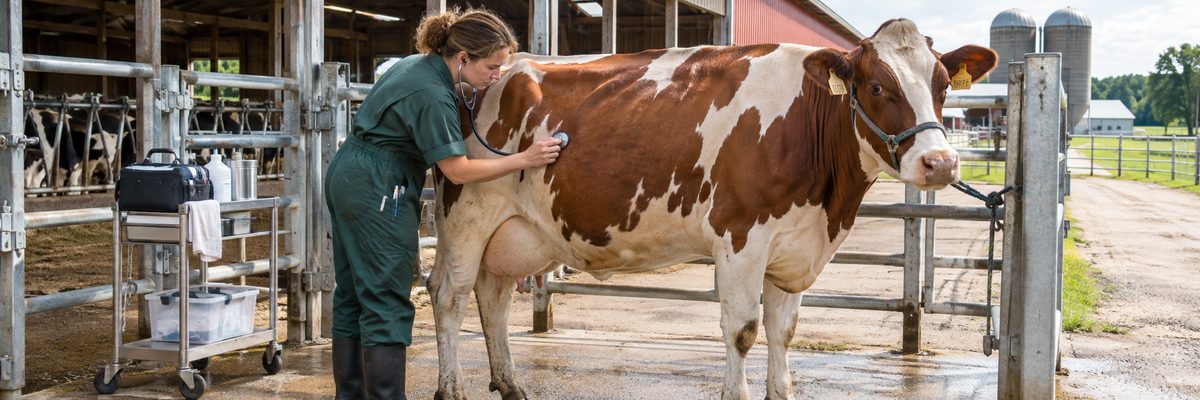
If you find bloody, loose manure in a growing heifer or an older cow, coccidiosis belongs on the list of suspects, but it should not be the only one. Coccidia are single-celled parasites that damage the lining of the intestine, and they are famous for hitting calves. Older animals usually get sick only when something else has worn them down: weaning, hauling, a pen move, a wet muddy lot, or a crowded group of heifers that just got sorted.
The practical plan is short. Separate the sick animal, call your herd vet, get a fecal sample looked at, and then fix the thing that let the parasite win, which is almost always manure in the wrong place. Treating one heifer and leaving a manure-covered feed bunk exactly as it was is how you end up treating the same pen again in three weeks.
Think of coccidia as the neighbor who never leaves. Nearly every dairy has them. The question is only whether the cattle are stressed enough, and the pen dirty enough, for the neighbor to become a problem.
What coccidiosis looks like in older animals
In calves, the classic picture is scours, often with blood, and a calf that looks hunched and miserable. In heifers and cows it tends to be quieter at first. Oklahoma State Extension describes acute diarrhea, sometimes with blood, along with reduced appetite and mild depression, and in severe cases dehydration, pale gums, straining and heavy weight loss. A few animals even show nervous signs.
What you will notice in a dairy setting:
- A heifer in the grower pen with loose, dark or bloody manure and a tail that stays stained.
- Straining after passing small amounts, which can look like a cow who is trying to calve and has nothing to show for it.
- Poor gain in a group that should be growing on schedule, even when you never saw a bad scour.
- For milking cows, a drop in intake and milk that arrives along with loose manure.
The chronic version is sneaky. Cattle that never look dramatically sick can still grow slowly, and that damaged gut leaves them more open to other trouble such as salmonellosis and respiratory disease. A heifer that reaches breeding size three months late rarely gets blamed on a parasite, but it can be the bill you are paying.
Why it shows up when it does
Coccidia complete their life cycle inside the intestinal cells. Infected animals, including healthy carriers, shed oocysts (the egg-like stage) in manure. Those oocysts become infective in warm, moist conditions, then get swallowed through feed, water, pasture, or a dirty hair coat that gets licked. By the time signs appear, roughly two and a half weeks after the animal swallowed them according to the Oklahoma State fact sheet, the damage to the gut is already well along. That delay is why a pen can look fine on Monday and fall apart the following month.
The oocysts are tough. They can last a long time in moist, shaded ground, which is why the low corner of a lot that never dries out keeps producing trouble. Sunshine and dryness are your friends here.
Common triggers in dairy heifers
- Weaning and moving to group pens.
- Overcrowding in a heifer lot or a bedded pack.
- Hauling heifers to a custom grower, or bringing in purchased animals.
- Mud around waterers and feeders, especially in the Northeast during mud season and in the humid Southeast.
- Feeding on the ground, where manure and feed share the same real estate.
Regional differences are real. In the Upper Midwest, the risk often climbs in late winter, when heifers are packed into bedded pens and the pack runs wet. In the Southeast and on grazing dairies in wet seasons, it is more likely to be the muddy gateway, the shaded creek bank, or the spot where everyone drinks. In the dry Southwest, crowded dry lots with a leaking waterer can do the same job.
Getting the right diagnosis
Bloody scours do not automatically mean coccidia. Salmonella, BVD, parasites such as worms, and other causes can look similar from the pen. Coccidia also show up in plenty of healthy cattle, so finding a few oocysts does not close the case. Your vet will weigh the signs, the age and group history, and a fecal flotation or smear before settling on an answer. Cattle that are straining hard, bleeding heavily, or going downhill fast need a vet visit that day rather than a fecal sample next week.
If you already run routine testing, fecal egg counts for dairy herds explains what that sample actually tells you, and a broader look at internal parasites covers the worms that get blamed for everything. A quick manure check also fits with reading manure scores, because a pen full of loose manure is information whether or not the cause is coccidia.
Treating the sick animal
Treatment is a decision for your veterinarian, and this article will not name products or doses. In general terms, supportive care matters most: fluids and electrolytes for dehydrated animals, treatment for secondary infection when your vet thinks it is needed, and anticoccidial drugs used for clinical disease. A sick heifer often will not eat or drink enough to take medication through feed or water, so individual handling may be needed.
Two things to remember. First, treatment and prevention products are not interchangeable. The drug a nutritionist adds to a ration to reduce infection pressure over several weeks is a different tool than what a vet prescribes for a sick animal. Second, every product has label rules and withdrawal times, and lactating animals and milk discard add extra conditions. Use your vet to sort that out and write the treatment down. A clean record trail is cheaper than a tank of discarded milk, a topic covered in treatment records that hold up in an inspection.
Pull the sick animal into a hospital pen if you have one. The pen can be dull. The point is that her manure stops contaminating everybody else's water.
Breaking the cycle
Medication buys time. Sanitation is what actually changes the outcome. A heifer pen run like a lunch counter, with clean feed, clean water and dry footing, rarely turns into a coccidiosis outbreak.
A pen checklist
- Keep manure out of feed bunks. Clean them before each feeding.
- Scrape or bed pens often enough that animals are not lying in a manure paste.
- Scrub waterers regularly, and more often when new animals arrive.
- Do not overstock. Extra heifers in a pen is the cheapest way to buy a stress problem.
- Rest and dry areas between groups when you can. Sunlight and drying cut oocyst survival.
- On pasture, move hay feeding sites and keep animals out of boggy spots and stagnant ponds.
- Do not move or sort groups more than you have to during the weeks after weaning.
Weaned calves heading into group pens are where this often starts, so moving weaned calves to group pens without the setback is worth a read. And if your calf pens have a history of scours, first steps for scouring calves sets up the same dehydration-first thinking you will want with a sick heifer.
Your vet may also recommend a preventive anticoccidial program for high-risk groups. Those programs run for weeks, not days, and are meant to run alongside cleaning, not replace it. Animals can still get sick after a preventive program starts if they were already infected, which is why cleaning and medication go together.
Mistakes that keep outbreaks going
- Treating the heifer but not the pen.
- Assuming every bloody manure case is coccidia and skipping a diagnosis.
- Skipping fluids because the animal is still eating a little.
- Putting recovered animals straight back into the dirty pen they came out of.
- Forgetting that a heifer treated in a lactating group will have milk and meat rules.
Cattle have no sense of irony about it, but the heifer who got sick under a leaking waterer will walk right back to that waterer. Fix the leak.
Quick answers
Can adult cows get coccidiosis?
Yes, though it is far less common than in calves. Adults usually become sick when they are stressed or run down, and many are carriers without any signs. Because bloody manure has other causes too, have your vet confirm the diagnosis.
How long do coccidia survive in a pen?
Oocysts are hardy and can last a long time in moist, shaded ground. Drying and sunlight work against them. A pen that stays wet and shaded keeps the problem alive.
Is bloody manure always an emergency?
Not always, but heavy blood loss, straining, a cow that stops eating, or signs of dehydration call for a vet visit right away. A single streak in an otherwise bright animal is still worth a call and a fecal sample.