When to Call the Vet for a Sick Cow
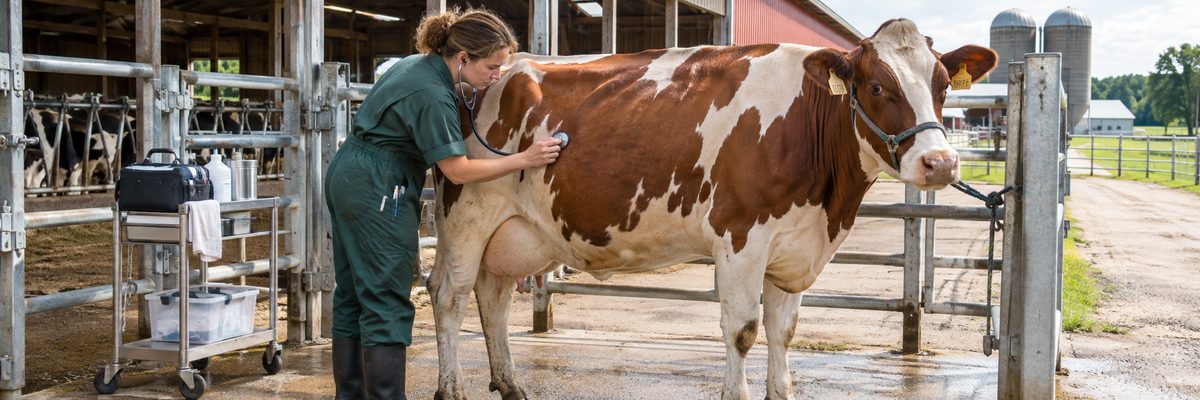
Call the vet right away for a cow that is down, bloated, straining without progress, bleeding, not breathing normally, or off feed and dull right after calving. Call the same day for a fever, a sharp drop in milk, a hot swollen quarter with a sick cow behind it, or a lame cow that will not bear weight. Watch and recheck in a few hours for a cow who is slightly off but still eating, chewing cud and giving normal milk.
The cow's behavior tells you more than a single number. A cow that stands apart from the group, hangs her head, will not come to the feed and gives less milk than she did yesterday is telling you something, even if the thermometer reads normal. Most dairy farmers learn this the hard way: the cow that stops eating is almost never joking.
Calling early is cheaper than calling late. A vet visit for a cow that turns out to be fine costs you a trip charge. A visit for a cow that waited three days costs you the cow.
Call now: emergency signs
- Down and unable to rise, especially a fresh cow. Milk fever, other metabolic problems and injuries all have different handling. See downer cow care and recovery tips while you wait.
- Bloat: a swollen left flank, distress, labored breathing. Bloat in dairy cattle can get worse fast.
- Difficult calving: a cow pushing hard with no progress, a leg back, or a calf stuck. When to assist a calving cow or call the vet covers the decision.
- Trouble breathing: open-mouth breathing, grunting, extended neck, or a rapid breathing rate at rest.
- Heavy bleeding, deep wounds or a prolapse.
- Straining and not passing manure or urine.
- Seizures, staggering or sudden blindness, or odd behavior such as aggression in a normally calm cow.
- Sudden death of one or more animals. Call for a diagnosis, and keep others away from the carcass.
- Possible poisoning or a suspected reportable disease. Several cows suddenly off feed with a milk drop and fever should prompt a call right away. See avian influenza in dairy cattle for what that pattern can mean.
If you cannot tell whether it is an emergency, call anyway. Vets prefer a ten minute phone conversation to a surprise at midnight.
Call today: same-day signs
- Fever. University of Wisconsin Extension's fresh cow exam notes that normal temperature is about 101.5 to 102.5 degrees Fahrenheit, and that a temperature over 103.0 may point to infection or inflammation.
- Off feed, with no rumen fill and little or no cud chewing.
- A sharp drop in milk, with or without abnormal milk. Signs of mastitis will help you sort udder problems from whole-cow problems.
- A cow that is dull, with a sunken eye and skin that stays tented after you pinch it.
- Foul discharge or fever after calving.
- Severe lameness: not putting weight on a foot, or a swollen joint.
- Persistent diarrhea or bloody manure.
- Ketosis signs in a fresh cow, such as going off feed, loss of weight, and a sweet smell on the breath, along with a positive test.
Watch and recheck: lower urgency
Some signs can wait a few hours, provided you do actually recheck. A cow who was a bit slow at the bunk but ate afterward, a mild limp on a cow still walking and eating, a single clot or two in the first strips of milk with no fever and a bright cow, and a cow with a mild cough but normal temperature and appetite.
"Watch" means a plan: write down what you saw, take her temperature, and set a time to look again. If she is worse at the recheck, call. If she is the same and it has been a day, call anyway. Waiting is a decision, not a hobby.
As for anxious cows, the barn cat practice described in this farm.FM piece on a barn cat who opened a therapy practice for livestock with anxiety and guilt may help the nervous ones. It will not help a cow with a 105 degree fever. For that you still want the vet.
What to check before you call
A vet can do much more with a good phone report. Before dialing, take a minute to collect:
- Temperature. Virginia Tech Extension lists normal adult cattle temperature at about 100.4 to 103.1 degrees, with a heart rate of 40 to 70 beats per minute and a dairy cow respiration rate of 18 to 28 per minute, in its cattle vital signs sheet. More in normal dairy cow temperature, pulse and respiration.
- Appetite and rumen. Is she eating? Is her left side filled in? Is she chewing cud?
- Manure. Normal, loose, dry, bloody? A look at the manure score helps.
- Milk. How much compared to usual? Any change in the milk or udder?
- Attitude. Alert, dull, down, aggressive?
- History. Days since calving, recent treatments, ration changes, and whether other cows have similar signs.
- Tag number and group. You would be surprised how often this gets forgotten.
Also tell the vet about any drugs given. Treatments affect what the vet can add and how long milk must be discarded. If you have not already, set up a place to write it down, because treatment records are part of every sick-cow call.
Timing varies by stage
The first weeks after calving are the highest risk period for metabolic and infectious disease, so be quicker to call with fresh cows. A cow that is off feed on day four in milk is a different problem than a cow that is off feed on day 200. Heat adds pressure in hot climates. In the Southwest and Southeast, a cow that looks slightly off on a 100 degree afternoon can slide quickly, so be early to call and early to cool her.
Likewise, in winter in the Upper Midwest and Northeast, a cow that is slow in a cold barn may be dealing with pneumonia or a frozen teat. Neither of those is a "wait and see."
Cost and relationships
If a vet bill makes you hesitate, remember that a regular herd visit and written protocols reduce the number of panicked calls. Many farms also reduce costs by teaching staff to do basic exams. And if there are few vets near you, finding a large animal vet for your dairy is worth doing before you need one.
Quick answers
How high a temperature means I should call the vet?
Wisconsin's fresh cow guidance treats a reading over 103 degrees Fahrenheit as a possible sign of infection or inflammation. In hot weather the same number can be partly heat, so use judgment. A fever combined with going off feed, a milk drop or dullness is a call, whatever the thermometer says.
Should I wait until morning if a cow is down at night?
No. A down cow can quickly injure muscles and nerves, and the cause may be treatable if caught early. Call, make her comfortable on a dry non-slip surface, and follow the vet's directions.
Can I treat a sick cow myself first?
Only with a protocol your vet has approved for that problem. Giving drugs on a guess can mask the signs, interfere with what the vet does later, and cause milk or meat residue problems.