Humane Euthanasia on a Dairy Farm
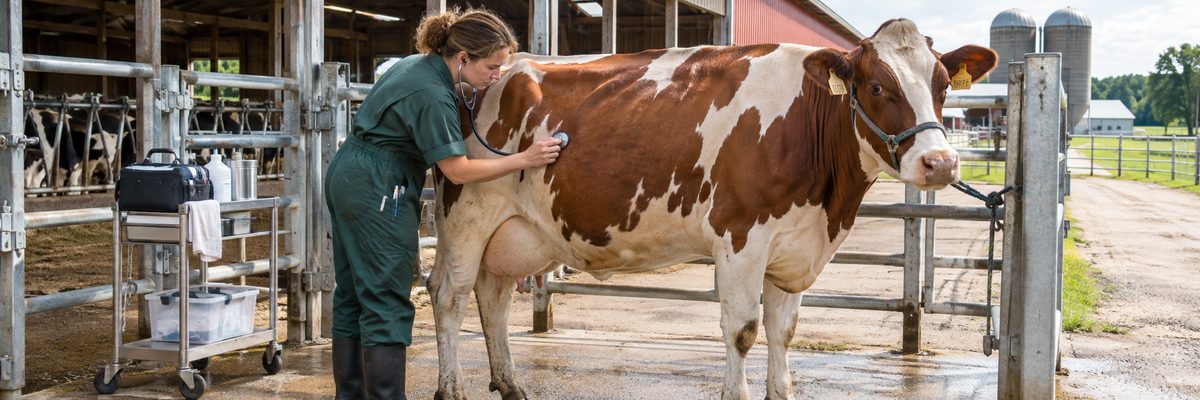
Every dairy farmer eventually faces a cow who cannot be fixed, cannot be sold and should not keep suffering. Humane euthanasia is the responsible answer in those cases, and the hardest part is usually the timing, not the technique. The short version: decide early, work with your veterinarian on written guidelines, use only accepted methods by someone trained and prepared, and plan what happens afterward. Nobody gets good at this, and nobody is supposed to enjoy it.
This article is general education, not a how-to for the procedure itself. Your herd vet is the right person to teach, demonstrate and sign off on on-farm methods for your crew, and some states and milk programs have their own requirements.
Deciding when
The most common regret among farmers is waiting too long. Penn State Extension's short video on cattle euthanasia, presented by an extension veterinarian, says it plainly: it is better to euthanize a day too early than a day too late. It lists situations that should make an owner seriously consider it:
- Debilitation. An injury, trauma or disease has left the cow unable to move or walk.
- Poor quality of life. A major loss of production and comfort from advanced age or a chronic condition.
- Disease without effective treatment, or a disease that threatens human health, in which case the animal should not be sent to market.
- Inability to eat or drink. A dehydrated cow who cannot get up to feed or drink on her own.
- Drug withdrawal complications. A cow treated with products that carry withdrawal times may be harder to move to market, and a severely ill cow may need an extended withdrawal. The video says to consult your vet to be sure.
Add a practical point from the dairy side: a cow who cannot walk on her own should not be loaded onto a truck. Hauling a suffering animal is a welfare problem, and a nonambulatory cow cannot be accepted at slaughter for human food under federal rules. A cow that cannot rise, that is not responding to care and that has a poor outlook, is a candidate for a conversation with the vet. A downer cow who is eating, alert and making progress is a different case from one who is slipping, and your vet can help you tell them apart.
Get everyone to agree on criteria beforehand
The video recommends that people responsible for the animals work with a veterinarian to set clear guidelines on when euthanasia is the correct choice. Put it on paper. A short written protocol might say that a cow who cannot rise after a certain period despite supportive care, who has a fractured limb, or who is in severe distress with no realistic treatment gets a vet call within hours. When the rule is written down, no individual employee has to carry the decision alone at five in the morning.
Who does it, and with what
The veterinarian is the first choice. Vets have access to injectable euthanasia solutions, which Penn State describes as usually the more expensive option, but highly effective and safe. A vet visit is also the moment to ask them to review your restraint setup and walk your crew through what is acceptable.
If a veterinarian is not going to do it, the person responsible must be able to do it humanely, effectively and safely. Penn State names two accepted non-drug methods for livestock: gunshot or a captive bolt device, with the animal properly restrained, and with the entry location critical to doing it right. The American Veterinary Medical Association publishes the standards used across veterinary medicine in its guidelines for the euthanasia of animals, and these are worth reading once, calmly, before you ever need them.
A few cautions that apply to any on-farm method:
- Only a trained person should do it, and only after the vet has shown them how. Reading about it is not training.
- Safety comes first for people and animals. Firearms and captive bolts are dangerous and are subject to local laws, so ask your vet and local authorities about what applies where you farm.
- Never use a method that is not recognized as humane, no matter what a neighbor says worked once.
- Confirm death properly afterward. Your vet can teach the signs.
- Keep onlookers and other animals out of the way, and keep the process quiet and short.
Plan for what happens next
Carcass disposal
Options include rendering, composting, burial and, in some areas, landfill or incineration, and the rules vary by state and sometimes by county. Whether a cow was euthanized with a drug can also affect where the carcass can go, so ask the vet when they come out. Have the number for your rendering service or state ag department handy, not buried in an old text thread between you and a feed salesman. Rules written at noon beat rules improvised at midnight.
Milk and treatment records
If she was in the milking string, update the milking list and make sure her record shows what happened and whether she carried any treatments. A clean record is part of the treatment records habit, and if she was under a withdrawal period, it matters for how the carcass is handled. The withdrawal times article explains why.
Insurance and herd data
If a death needs documentation for a lender, insurer or breed association, take photos and note the cause with your vet's input. Ask about it before the cow is gone.
The human side
It takes a toll. Herdspeople, milkers and family members who have raised a cow from a calf can take it hard, and a crew that has to do this on a regular basis can carry it quietly. Name that out loud with your team. Let people step away when they need to, and talk about it afterward over coffee instead of pretending nothing happened. The stress that comes with farming, including money pressure, is real, and managing financial stress on the dairy farm is worth reading if the weight is piling up. If you or someone on your farm is struggling, call or text 988, the Suicide and Crisis Lifeline, and talk to someone.
Preparing so you are not scrambling
- Save your vet's number, and the emergency or after-hours line, where everyone can find it, which rules out the sun visor of one particular truck. See when to call the vet for a sick cow and the veterinary client patient relationship.
- Write your criteria and review them with each new employee.
- Have a place to restrain a sick or down cow safely, ideally near your hospital pen.
- Know your carcass disposal route before you need it.
- Decide who makes the call when you are away.
Quick answers
Can I send a down cow to the sale barn instead?
Not if she cannot walk. Nonambulatory cattle should not be hauled, and they cannot be accepted for slaughter for human food, so the options are treatment, euthanasia or on-farm disposal under your vet's guidance.
Who can euthanize a cow on the farm?
A veterinarian is the preferred choice, and a trained person can do it with an accepted method if the vet has instructed them and local laws allow. Ask your vet to review your protocol.
How do I know it is time?
Sit down with your vet and write criteria such as inability to rise, to eat or drink, severe pain or no treatment options. If you are asking the question, discuss it with your vet today rather than tomorrow.