Avian Influenza in Dairy Cattle What Farmers Should Know
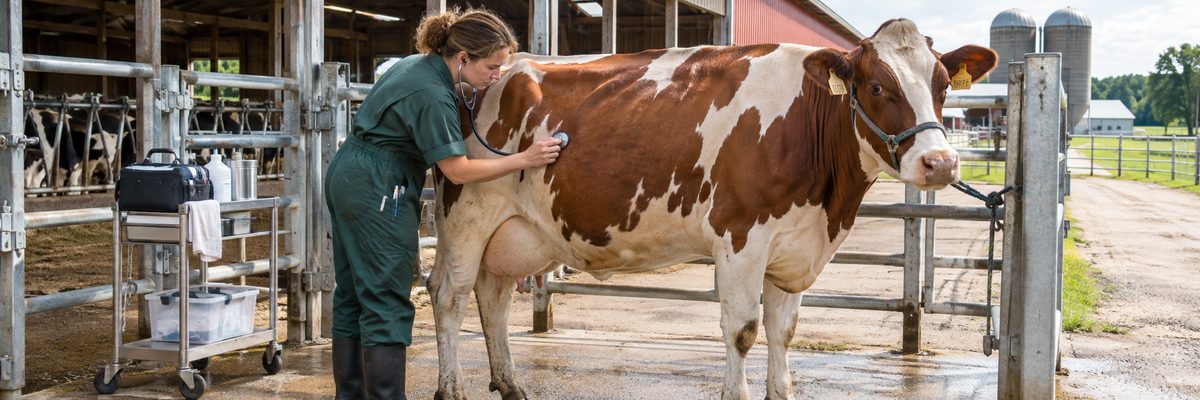
H5N1 avian influenza, the virus best known for hitting poultry, has also infected dairy cattle in the United States. In cows it mostly shows up as a sudden drop in milk, a sharp drop in appetite, a fever, and milk that turns thick and yellow. If you see that pattern, especially in more than one cow, call your veterinarian before you do anything else.
Rules about testing, movement and reporting have changed several times and differ by state, so treat this article as background and get the current requirements from your herd vet, your state veterinarian or department of agriculture, and USDA APHIS. What does not change is the core advice: keep sick cows apart, milk them last, tighten who and what crosses your farm line, and protect the people on your crew.
There is no point being embarrassed about a sick cow with a vet bill. The only bad outcome here is staying quiet about it until the neighbor's herd finds out the hard way.
What it looks like in cows
Iowa State's Veterinary Diagnostic Laboratory describes the signs as a severe, sudden decrease in milk production, milk that is thickened and yellow like colostrum, a sharp drop in feed intake, and fever. Oregon State Extension adds reduced rumination and activity, and manure that is loose or drier than normal. Some infected cows show nothing at all.
Who gets hit? Reports from affected herds point to older cows in mid to late lactation most often, and they describe a limited share of the herd sick at once rather than the whole barn. Minnesota's department of agriculture asks vets to be alert to increased illness, particularly in later-lactation cows. Most cows recover over a couple of weeks, though some do not regain all their lost milk, and the disease is generally not fatal in cattle.
That recovery picture does not make it harmless. A herd that loses a big share of its milk for two weeks has a milk check problem, and the virus is a problem for the people working around it as well.
Warning signs worth a call
- Several cows go off feed and drop in milk at about the same time, with no obvious ration change.
- Thick, yellow, clumpy milk from cows that were normal yesterday.
- Fever with no clear mastitis or metritis to explain it.
- Barn cats with nervous signs, or dead wild birds around the farm. Both have been reported on affected farms.
Rumination collars and parlor milk meters often catch these changes before a person does, and rumination monitors and health alerts covers what the data can tell you. Not every drop in milk is bird flu, of course. Deciding when to call the vet for a sick cow is a better general guide for the single animal.
How it spreads
The virus is believed to have reached cattle from wild birds, though the exact route is not fully known. Cow to cow spread has happened, and some herds were infected after animals from affected herds moved elsewhere. Oregon State Extension notes that milk carries high levels of virus, while other secretions carried low or undetectable amounts, and that incubation can last up to two weeks. That points to milk, and to anything that carries milk from one animal to another, as the practical risk.
It also means this is not only a cattle problem. Minnesota's department of agriculture points out that the CDC considers the risk to the general public low, but that people with close or prolonged unprotected contact with infected animals or contaminated environments are at higher risk. Pasteurization destroys the virus. Raw milk from infected or suspected animals should not be consumed, and milk from sick cows is discarded on the farm rather than entering the supply.
Testing and reporting in general terms
PCR testing for influenza A on milk samples from acutely sick lactating cows can detect the virus, and positives are subtyped and confirmed by the national veterinary laboratory. Labs and state veterinarians are required to report positive influenza A results in livestock to USDA APHIS, according to the AVMA's summary of the federal order. That order also set testing requirements for lactating dairy cattle moving between states, along with movement limits for animals from affected herds. Those interstate rules have since been adjusted based on a state's status in the National Milk Testing Strategy, and Minnesota's department notes that milk testing now leans heavily on silo sampling at plants.
What that means for you:
- Your vet is your first call. Do not ship samples or move animals on your own.
- If you plan to move lactating cattle across state lines, ask your vet and the receiving state what testing and paperwork apply that week.
- Participating in milk testing, where it is offered, can catch infection before signs appear.
- Your milk buyer and state agency may have their own requirements.
Because these programs shift, check with the agency directly rather than relying on anything you read in a magazine, including this page.
What to do if you suspect it
- Call your herd veterinarian and describe the pattern.
- Separate the sick cows. A hospital pen away from the milking herd is ideal, and setting up a hospital pen covers the layout.
- Milk sick cows last and discard their milk as directed. Do not feed it to calves.
- Limit visitors and vehicles, and stop moving animals on and off the farm until your vet says otherwise.
- Use gloves, eye protection and a respirator-level mask when handling sick cows or milk, as your vet or health department advises. Wash and change before leaving the barn.
- Tell your crew that anyone who develops eye redness, cough or fever should call a doctor and mention the contact with cattle.
Biosecurity that matters most
Strong biosecurity is the main protection. For this disease, the highest-value steps are:
- Keep wild birds out of feed, water and housing, and discourage waterfowl on ponds and manure lagoons.
- Quarantine new or returning animals, which Minnesota's department puts at 21 days or more. Read about quarantine rules for new cattle.
- Do not feed unpasteurized milk or colostrum to calves or other animals on the farm.
- Limit visitors and equipment moving between farms, and clean vehicles and tools.
- Keep poultry and cats away from the milking and feeding areas.
A full plan with sign-in sheets and truck routes is in building a biosecurity plan for a dairy farm. Chickens in the barnyard feel harmless, but they and the cows share a lot more than a fence.
What it means for the milk check
Milk from sick cows is discarded, and a herd with a large number of sick cows can lose a good amount of production for a couple of weeks. Federal and some state programs have offered help to affected producers, but eligibility and amounts change, so ask your state veterinarian, extension office or your milk cooperative. Keep records of milk losses, treatments and costs from the first day. If a program is available, you will want them.
Quick answers
Can people get avian influenza from dairy cows?
Human cases have occurred, mostly among people with close contact with infected animals or raw milk. The CDC considers the risk to the general public low. Workers who handle sick cows or their milk should use protective gear and follow health department advice.
Is pasteurized milk safe to drink during an outbreak?
Pasteurization destroys the virus, and public health agencies consider pasteurized milk safe. Raw milk from infected or suspected animals should not be consumed, and some states bar direct sales from confirmed herds.
Who do I report a suspected case to?
Start with your herd veterinarian, who works with your state veterinarian and the testing laboratory. Your state agriculture department can tell you what is required where you farm.