Sole Ulcers and White Line Disease Explained
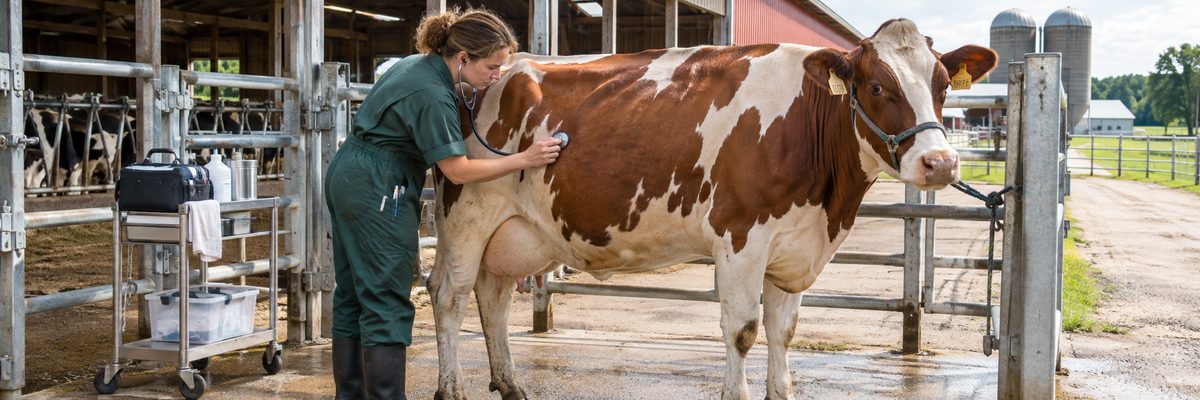
Sole ulcers and white line disease are the two big noninfectious hoof lesions on a dairy. Neither one comes from a germ walking in the door. They come from the foot taking more punishment than it can handle, and the cow paying for it weeks or months later.
A sole ulcer is damage to the sensitive tissue under the sole, usually in the outer claw of a hind foot, near where the sole meets the heel. White line disease is a separation or break along the seam where the hard wall of the hoof joins the sole, which lets dirt, gravel and bacteria creep in. Both hurt, both cost milk, and both tend to come back in the same cows and the same barns until somebody changes something upstream.
The cow, for what it's worth, has no opinion on which lesion she has. She just knows that every step is a bad idea.
What's actually happening in the foot
Inside the hoof, the bone at the bottom of the leg is cushioned by a fatty pad and held in place by soft tissue. Around calving, hormones loosen that supporting tissue, and the cow gets a little less shock absorption exactly when she needs the most. Add hours of standing on hard concrete, and the sensitive tissue between bone and horn gets squeezed and bruised.
Horn doesn't grow back on a deadline. The bruising from a rough transition period or a hard few weeks can take two to three months to show up as a visible lesion on the sole, which is why an ulcer found in midlactation often traces back to the fresh pen. By the time you see it, the cause has already walked out of the barn.
Sole ulcers
Ulcers usually sit toward the back third of the sole, on the outer claw of the hind foot, because that claw carries the most weight and takes the most abuse. The trimmer will find a dark, bruised or open spot, sometimes with a bit of exposed, raw tissue. Some start as hemorrhage under intact horn and open later.
White line disease
The white line is the softest part of the hoof's weight-bearing surface. Concussion, twisting on turns and rough or gritty surfaces can crack it open. Once there's a gap, a stone or a bit of manure packs in, and an abscess can form deeper inside. Cows that walk long, rocky lanes, or that make sharp turns on slick concrete, are the usual victims.
Risk factors worth checking in your barn
- Time on concrete. Long hours standing in alleys, in the holding pen or in the headlock add up. Cows that can't lie down in a comfortable stall stand more.
- Stall comfort. A stall that's too small, too hard or badly set keeps cows on their feet. Lameness is often a cow comfort story first.
- Body condition loss. Cows that drop too much condition around calving lose some of the fat pad that cushions the foot.
- Rumen acidosis. Some researchers link repeated bouts of rumen upset to hoof horn quality and laminitis-type changes. Subacute ruminal acidosis signs are worth watching alongside any hoof trouble.
- Wet, dirty floors. Constant moisture softens horn and makes it more vulnerable to wear and cracks.
- Rough handling and poor lanes. Rushing cows, sharp turns, stones and uneven concrete all add stress to the white line.
- Heifers going onto concrete. First-calf heifers with no hoof conditioning often take the first hit in the herd.
- Heat stress. Cows in hot climates, such as the Southeast and Southwest, spend more time standing to cool off, which is more weight on the same feet.
Spotting it early
Lame cows are expensive cows, and early cases cost less than late ones. Keep an eye on gait, and use regular locomotion scoring to catch the cow that's stepping short before she's hopping. Common signs include:
- An arched back and shorter strides, with weight shifted off one foot.
- Standing with one foot cocked or holding a leg out.
- Spending more time lying down, or standing in the stall with just the front feet in.
- Dropping milk or eating less for no clear reason.
- Pulling back from the hoof when you or the trimmer touch the sole.
If a cow looks lame, get her out of the herd long enough to look at the foot properly. That generally means a restraint chute or trimming table and someone who knows what a lesion looks like.
How these lesions are treated
The treatment principle is simple: take weight off the sore spot so it can heal. A trimmer or vet will usually clean out and trim away damaged or loose horn, then apply a block, typically a wooden or rubber block, to the healthy claw. That lifts the injured claw off the floor and lets it recover. Bandaging may be used for certain cases, and in deep or infected lesions, more extensive care may be needed.
Pain control matters. Lame cows hurt, and good treatment includes pain management that your veterinarian directs. Drug choice, dose and route are vet decisions, and so are the withdrawal times and milk discard that come with them; withdrawal times and milk discard rules matter any time a treated cow stays in the string. If an infection has reached deeper structures, the cow may need surgical care, or at worst she's a candidate for a hard conversation about her future.
A cow with a block on should be housed with good footing and comfortable stalls. A soft pack or a hospital pen set up for sick cows helps while she heals. Blocks usually wear or fall off in a matter of weeks, and the cow often needs a recheck after that. Don't forget to remove blocks that are still there after the lesion has healed, because a cow wearing a wooden shoe for three months is not a fashion statement, it's an oversight.
Preventing repeats
Treating the lesion fixes the cow in front of you. Preventing the next one fixes the herd. Start by figuring out where lesions show up: which pen, which stage of lactation, which parity. Then work backward.
- Trim on a schedule. Many herds trim at dry-off and again in mid-lactation, adjusted for farm conditions. A good trimming schedule catches small problems and keeps the weight evenly distributed.
- Give cows more time lying down. Stall comfort, cow traffic, stocking density and heat abatement all bear on this.
- Manage the transition period. Keep fresh cows out of crowds, minimize stress and manage body condition through the dry period.
- Look at the floors. Grooved concrete, rubber in high-traffic areas and scraping alleys more often can all help. Avoid floors that are slick or too abrasive; a cow shouldn't need ice cleats or a nail file to get to the feed bunk.
- Handle cows quietly. Slow, calm cow movement from pen to parlor cuts down on slips, twisting and stones.
- Keep records. Ask the trimmer to record lesions by cow and foot, so patterns show up on paper instead of in your gut.
Hoof lesions and infectious problems often travel together. Digital dermatitis can make a cow shift her weight in ways that load the other claw. If you've got both in a pen, expect them to compound.
For deeper background, the Dairyland Initiative at UW-Madison and Cornell PRO-DAIRY both offer lameness and cow comfort resources, and your hoof trimmer and vet can help you build a plan.
Quick answers
Can a sole ulcer heal on its own?
Mild ones sometimes do, but most go better with a corrective trim and a block that takes the weight off. Without that, many cows stay sore, drop in milk and risk deeper infection.
How long does it take for a hoof lesion to heal?
It varies with how severe the lesion is, but healing often takes weeks, with new horn growing in over a longer period. Your trimmer or vet can tell you when to recheck.
Why does the same cow keep getting ulcers?
Some cows carry a thinner fat pad or odd foot shape, and a cow that's had one ulcer tends to have the conditions for another. Regular trims, good stall comfort and a calm fresh-cow period give her the best odds. Chronic repeaters may need to be reviewed with your vet.