Milk Markets, Co-ops & Processing
How to Make Farmstead Cheese Legally
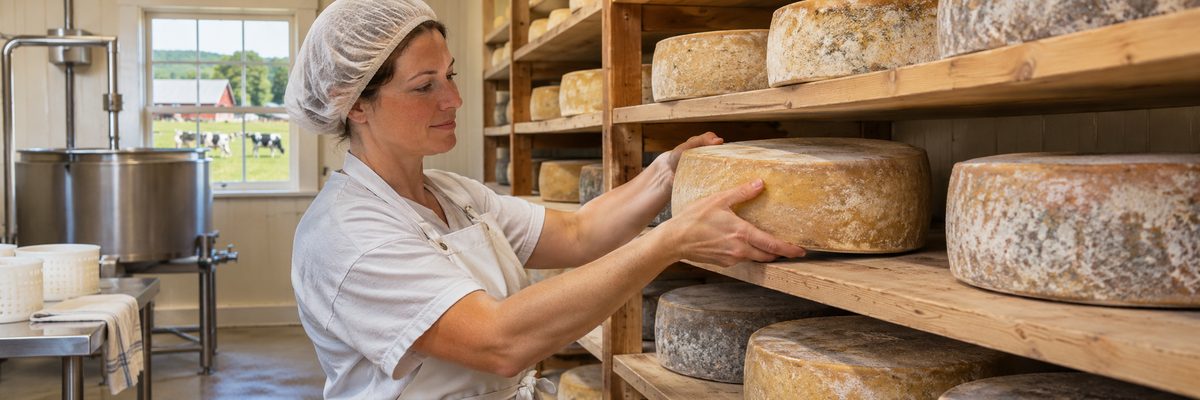
You can make farmstead cheese legally, but not in a spare room with a borrowed pot and good intentions. If you plan to sell it, you will need an approved facility, a license or permit from your state, clean and tested milk, and a product that meets the legal definition of the cheese you put on the label. Making cheese for your own kitchen is a hobby. Making it for sale is a food business.
The biggest legal fork is pasteurized versus raw milk cheese. Pasteurized milk cheese has the clearer path. Raw milk cheese has extra federal and state requirements, particularly around aging, and it is not allowed to be made and sold the same way in every state. Your state dairy or food regulator has the final word, and your extension office can help you understand what they are asking for.
The legal pieces, in order
Facility and license
Cheese plants are inspected food facilities. Expect requirements for a dedicated make room, cleanable floors and walls, drains, hand sinks, approved water, proper ventilation, and a separate or controlled area for aging. The overall process looks like the one in the guide to getting a dairy processing license: pre-application talks, plans review, equipment approval, inspection, permit. Some states license cheese makers under the same agency that handles fluid milk, while others use a different agency or a separate category for manufactured dairy products.
Where the milk comes from
Whether you use your own herd or buy milk, regulators care about the milk's origin and quality. Expect questions about herd health testing, milking hygiene, cooling and records. If you buy from another farm, the supplier may also need to meet standards.
Pasteurized or raw milk
Most farmstead cheesemakers pasteurize, either in a vat or by heat treating before the make. Pasteurization and the other options are explained in this piece on HTST, vat and UHT. Some cheesemakers instead use raw milk and rely on aging and a tightly controlled make process. That path comes with more rules.
Identity and labeling
Many cheeses have federal standards of identity, meaning ingredients, composition and processing must meet a defined standard for the cheese to carry a particular name. Penn State extension describes these on its page about dairy food standards, noting that the standards are found in the Code of Federal Regulations. You cannot call something cheddar because it is yellow and was made in a barn. Labels must also list ingredients, net weight, the name and address of the maker and any allergen information, and your state may have its own requirements.
The raw milk cheese question
Under federal standards, many cheeses made from unpasteurized milk have to be aged for a minimum period, commonly stated as at least 60 days at a temperature of not less than 35 degrees F, before they can be sold. That is the figure most cheesemakers learn first, and the rule is the reason so many raw milk cheeses are aged types. Fresh soft cheeses made from raw milk are generally not an option for interstate sale, and many states limit them even within their borders. The federal rules on raw milk cheese have been under review from time to time, so confirm the current requirements with your regulator and not from a forum post.
Raw milk cheese does not mean risk-free cheese. The FDA's page on the dangers of raw milk notes that raw milk can carry Salmonella, E. coli, Listeria and other germs and that those germs can make people sick through products made from raw milk too. Listeria deserves special respect in cheese plants, because it can survive in damp environments and grow in the cold. Regulators watch for it closely, and a good environmental sanitation program matters as much as the recipe.
The aging room is part of the legal picture
If you are aging cheese, the aging space is regulated too. Expect rules about temperature records, surface materials, shelving, and how you track each batch. A simple aging space can work, but it has to be cleanable, monitored and able to keep batches identifiable. Lot codes, make dates and records are the way inspectors, and you, trace a problem back to a specific batch.
A practical roadmap
- Call your state agency. Ask what category of license applies to cheese, whether raw milk cheese is allowed, and what plans they need.
- Get training. Short courses and extension programs, such as those from the University of Wisconsin's Center for Dairy Research, offer cheesemaking technology, troubleshooting and product development help to the industry.
- Start with a pilot. Make small batches in an approved or training setting to test recipes before scaling.
- Design the plant around the product. Cheese vats, curd handling and aging all need space and drainage.
- Write down everything. Make sheets, temperature logs, cleaning logs, test results and lot numbers.
- Plan the label. Check the standard of identity and your state's rules before you print.
If you are new to the craft, the basics of making your first batch and cheesemaking for beginners cover what happens in the vat, while this article covers what the inspector wants to see around it.
A word about cheese tastings
Once the cheese is legal, you will want to show it off. A tasting is a fine idea, though it helps if the audience can tell your cheese from the aerosol kind. This farm.FM piece about a farmer hosting a fancy cheese tasting where nobody noticed it was spray cheese is a funny reminder that presentation does a lot of work. Real farmstead cheese will hold its own, as long as it is legally made and properly labeled.
Mistakes to avoid
- Selling cheese made in a home kitchen without a license, even if you are giving it a "farm" name.
- Assuming raw milk cheese rules are the same in every state.
- Calling a cheese by a name it does not meet the standard for.
- Selling a raw milk cheese before it has met the aging requirement.
- Skipping environmental testing in the make and aging rooms.
- Building the aging cave before asking the regulator what they will approve.
Quick answers
Can I sell cheese made in my home kitchen?
In most states, no. Cheese for sale generally has to be made in an approved facility with the proper license. A few states have cottage food rules, but they commonly exclude dairy products. Check with your state agency first.
Is raw milk cheese legal?
Under federal standards, many raw milk cheeses can be sold only after being aged for a minimum period, and state rules may be stricter or may restrict raw milk cheese entirely. Ask your state regulator what applies.
Who can help me learn cheesemaking the legal way?
Land-grant extension dairy programs and university dairy research centers offer training and technical help. They can also point you toward your state regulator and explain what to expect in the licensing process.