Milk Markets, Co-ops & Processing
Choosing a Pasteurizer for a Small Dairy
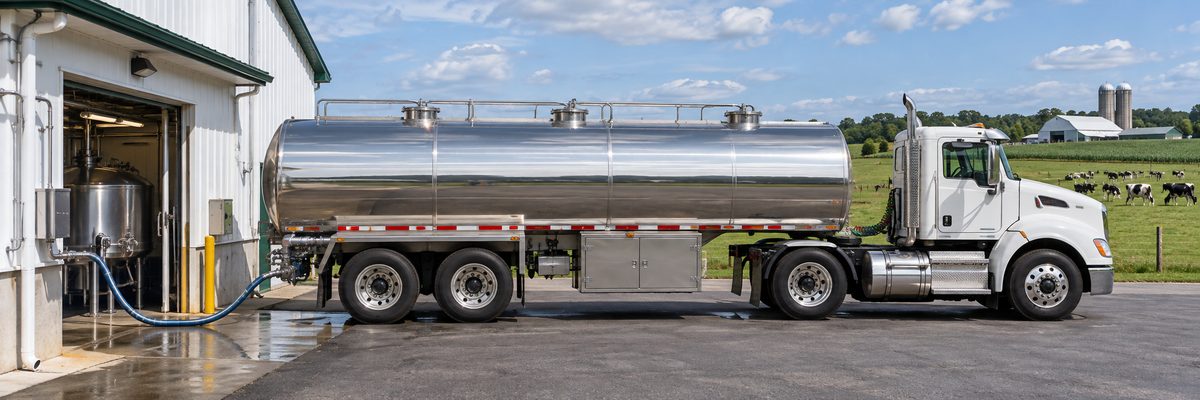
For a small dairy, the choice usually comes down to a vat pasteurizer, which heats a batch of milk and holds it, or a small HTST unit, which heats milk as it flows through. Vats are simpler, forgiving and common on small farms making cheese, yogurt or a few hundred gallons of milk a week. HTST suits steady, higher volumes of fluid milk, and costs more in equipment and in the hands that run it.
Size matters as much as type. A pasteurizer that is too small becomes the bottleneck for the whole plant, and one that is too big spends its life half full, which wastes time and heat. Before you buy either, your state regulator needs to say yes to the model, the controls and the layout. That one phone call saves more money than any discount.
How the two systems work
Vat (batch) pasteurization
Milk sits in a jacketed vat and is heated while being agitated. Under the standards usually cited for milk, the batch is held at a minimum of 145 degrees F for at least 30 minutes, then cooled. Higher temperatures and different hold times apply to cream and some other products, and the exact requirements come from the Grade A Pasteurized Milk Ordinance or your state's rules, so check before you set your controls. The Penn State extension page on the Grade A PMO is a good place to find out what that document is and how it is used.
Vats are also useful because they do double duty. The same vat that pasteurizes milk can often heat milk for cheesemaking or yogurt, depending on how it is built and approved.
HTST (high temperature, short time)
Milk flows continuously through a heat exchanger and a holding tube, and is held at 161 degrees F or higher for at least 15 seconds under the commonly cited standard. Controls automatically divert milk that did not reach temperature, which is a requirement and not an option. The equipment includes the heat exchanger, a flow diversion device, holding tube, recorder-controllers and often a balance tank and timing pump.
HTST is built for volume. Milk is processed all day without waiting on a batch, and the product comes out already cooled. It also needs more controls, more testing and often a trained operator.
Side by side
| Factor | Vat (batch) | Small HTST |
|---|---|---|
| Best for | Cheese, yogurt, small bottling runs | Steady bottling of fluid milk |
| Process | Heat, hold, cool in the same vessel | Continuous flow through heat exchanger and holding tube |
| Time per batch | Long, because of the hold and cooling time | Short, product flows continuously |
| Equipment cost | Generally lower | Generally higher |
| Controls | Thermometers, recorder, agitation, often simple | Flow diversion, recorder-controller, timing pump, more testing |
| Cleaning | Often manual, with a lot of surface to scrub | Often clean-in-place, with a longer startup and shutdown routine |
| Skill needed | Moderate | Higher, and many states require training or licensed operators |
| Flexibility | Easy to do small or varied batches | Best when product runs are large and consistent |
How to size one
Start with the milk, not the catalog. Sizing comes down to a few questions:
- How much milk will you process on a typical processing day? Use realistic numbers, and keep seasonal swings in mind. A grazing herd in spring flush has a lot more milk than the same herd in winter.
- How many days a week? Processing twice a week means bigger batches than processing daily. Cornell's small processor guidance points out that the number of processing days drives your labor needs as well.
- What is the hours-per-batch limit? With a vat, count heating, holding, cooling, filling and washing. A thirty-minute hold sounds quick until the rest of the day is added.
- What are you making? Cheese plants often want a vat sized to the cheese vat so that one batch of milk equals one batch of cheese.
- How much growth are you planning for? It costs less to buy one size up than to replace the whole thing in two years, but oversizing has its own costs, because a vat run well under its working capacity can be awkward to heat and agitate.
Vats are made in a range of sizes, and manufacturers can tell you the minimum and maximum working volume for a given model. Check those numbers against your typical batch. A vat that is only a quarter full on your usual day can struggle with heat transfer, agitation and temperature recording.
What else changes the choice
- Species. Goat and sheep milk are processed the same way, but small herds often have smaller batches. See dairy goat milk markets and buyers if you are weighing a market for goat milk before choosing equipment.
- Products. Fluid milk calls for more cooling capacity and fast turnaround. Cheese and yogurt favor a vat.
- Labor. HTST needs someone who understands the controls. If you are a two-person operation, a vat may fit the day better.
- Space and utilities. HTST has a footprint, and both types need hot water, power and cooling capacity. Check your building before you pick equipment.
- Cost to run. Heating and cooling add up. Ask the manufacturer for typical energy use.
Questions to ask before buying
- Is this model approved by my state, and does the regulator need to see drawings first?
- What controls, recorders and thermometers are required, and are they included?
- Does the manufacturer provide cleaning, testing and operating instructions that match what the inspector will expect?
- Is used equipment acceptable, and can the regulator inspect it before I buy?
- What is the lead time? Stainless is not an overnight delivery item.
- Who services it, and how quickly?
And since an unapproved unit makes a poor investment, check the dairy processing license steps before you place an order. The explanation of HTST, vat and UHT pasteurization is a useful background piece, and bottling equipment and startup costs shows how a pasteurizer fits into the rest of the budget. For milk you only want to heat on the stove for the family, there is a separate piece on pasteurizing milk at home in small batches, though home methods do not substitute for a licensed plant if you are selling.
Quick answers
Is a vat pasteurizer or HTST better for a small dairy?
A vat is usually the better fit for small volumes, cheese and yogurt, and for farms with limited labor. HTST makes sense for steady, larger runs of bottled milk. Your product plan and your regulator's rules should decide it.
What temperature does a vat pasteurizer need to reach?
For milk, the commonly cited standard is at least 145 degrees F held for at least 30 minutes, but other products and your state's rules may require different settings. Confirm with your regulator and the equipment instructions.
Can I use a home pasteurizer to sell milk?
Generally no. Milk sold to the public must be processed in an approved plant with approved equipment and records. Home units are fine for family use but do not satisfy a license.