Milk Markets, Co-ops & Processing
Upper Midwest Milk Markets: Wisconsin and Minnesota Cheese Country
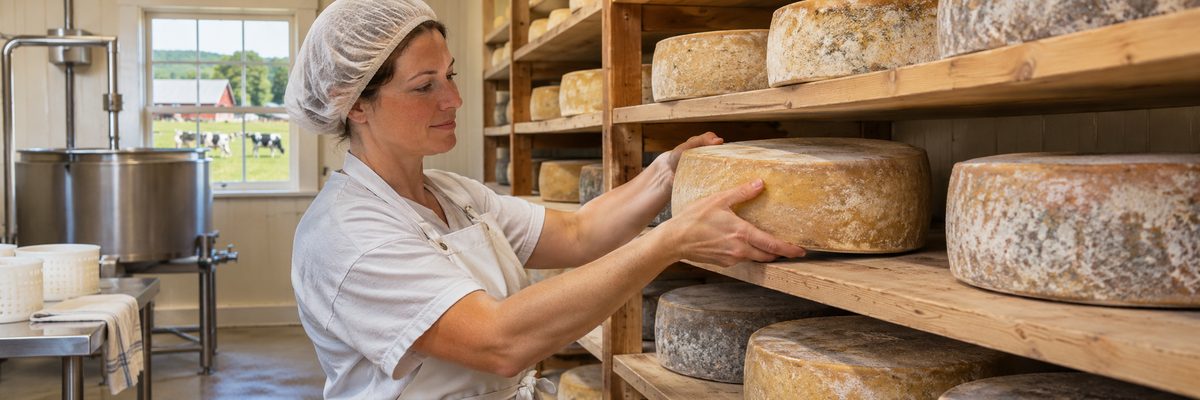
In Wisconsin, a cow's job description is simple: make milk that becomes cheese. Drive almost any county road and you'll pass a plant with a smokestack, a tanker waiting at the door and a hand-painted sign about curds. That density of plants is the single biggest thing to understand about milk markets in the Upper Midwest. The check you get is shaped by what cheese is worth.
Here's the practical summary. Most Wisconsin and Minnesota milk goes into cheese, so the federal milk marketing order pricing that applies tends to follow the cheese and whey markets, with butterfat, protein and other solids driving the check. Many farms ship through cooperatives, but plenty ship to proprietary plants, and there are more buyers in a given area than in most regions. That competition is an advantage when it exists, and it still pays to read the fine print.
Why cheese drives the check
When most of the milk in an order goes to cheese, the price that matters most is the Class III price, which is derived from the cheese and whey markets. A rise in block cheese prices tends to show up in the checks of farms shipping to cheese plants, and a fall does the opposite. How block cheese prices set your milk price walks through the connection, and Class I, II, III and IV milk explained covers how the classes differ.
Two other pieces matter. First, the make allowance: part of the cheese price is treated as the plant's processing cost before the rest is passed back to farms. What a make allowance is in milk pricing explains it. Second, component pricing: Upper Midwest checks usually pay on butterfat, protein and other solids, so milk with strong components is worth more at a cheese plant than milk that's just a lot of water. Butterfat versus protein pricing shows what the check rewards, and reading your milk check line by line helps you find where each component lands.
Who buys milk here
Cooperatives and proprietary plants
The Upper Midwest has a mix of regional co-ops, national co-ops and privately owned plants, plus specialty and farmstead cheese makers. Many farms have more than one potential buyer within hauling distance, which gives them more negotiating room than farms in less crowded regions. That doesn't mean switching is easy. Co-ops involve equity and membership terms, and independent buyers have their own contracts. Dairy co-op versus independent milk buyer covers the tradeoffs, and co-op equity retains and patronage dividends explained helps you understand what you'd be leaving behind.
Specialty cheese and premium programs
Wisconsin has a well-known tradition of specialty and artisan cheese, and some plants buy milk with specific requirements: breed, grazing, organic, or particular quality standards. Some pay premiums for those programs. Wisconsin's Center for Dairy Research works with cheesemakers on quality and product development, and UW-Madison Extension's dairy program is the place to find farm-level management help. Minnesota farms can find resources through University of Minnesota Extension's dairy pages.
What the Upper Midwest does differently
- Lots of mid-sized herds. Tie-stall and freestall herds both common, plus many family farms. Large herds exist too, and the whole range has to fit into a hauling network.
- Cheese plant capacity matters. Plant expansions and closures change how much milk a region needs, which changes how easily a farm can find or switch buyers. Watch your area, not just the national news. The plant manager's pickup in the parking lot tells you more than the headlines.
- Winter is part of the job. Snow, drifts and subzero mornings affect pickup. Having a plan for the truck is part of milking. When the milk truck can't get in covers what to arrange, and Upper Midwest dairy winter budget planning covers the money side of January.
- Federal order pricing. Most Upper Midwest milk is priced under the federal order that covers the region. How federal milk marketing orders work explains the general system, and the USDA's Federal Milk Marketing Orders page lists the order areas.
- Everyone has an opinion on the cheese market. The coffee shop, the feed store and the church basement all have a view. Treat advice like feed samples: send it to a lab.
Managing price risk when the cheese market swings
Because the check follows cheese, swings in the market can be big. Many farms look at tools like forward contracts, margin protection programs and cash planning to deal with it. Using forward contracts to lock in a milk price goes through what's available and what to watch for. The key rule is to know your own cost of production first, so you know what price you need.
Questions to ask a Wisconsin or Minnesota buyer
- What's the pay basis: components, volume, quality and any hauling deductions?
- Does the plant pay on butterfat, protein and other solids, and how?
- What are the quality premiums and penalties?
- Are you adding farms, and what do you need?
- What happens to my milk if the plant changes its product line or capacity?
- If I'm a co-op member, what's the equity arrangement, and what happens if I leave?
Regional notes within the region
Southwest and central Wisconsin have long-established cheese plants and many family farms. Eastern Wisconsin is closer to larger plants and urban markets. Minnesota has a mix of co-op and private plants, with milk moving across state lines as plants need it. The northern parts of both states see longer hauls and harsher winters. Some farms near the borders ship into neighboring states' plants, which can change the pricing order that applies. The details change often, so confirm with your handler.
Quick answers
Why does the cheese price matter so much for Wisconsin milk?
Because most milk in the region goes into cheese, and the federal formula for Class III milk is based on cheese and whey prices. That makes the cheese market a major influence on the check.
Do Wisconsin dairy farmers get paid on components?
Many buyers pay based on butterfat, protein and other solids, with adjustments for quality. Look at your own milk check to see how your handler does it.
Is it easier to switch milk buyers in the Upper Midwest?
Often there are more options than in other regions, but contracts, hauling routes and co-op equity can complicate a move. Read the terms and check with each buyer before you give notice.