Milk Markets, Co-ops & Processing
Dairy Co-op vs Independent Milk Buyer
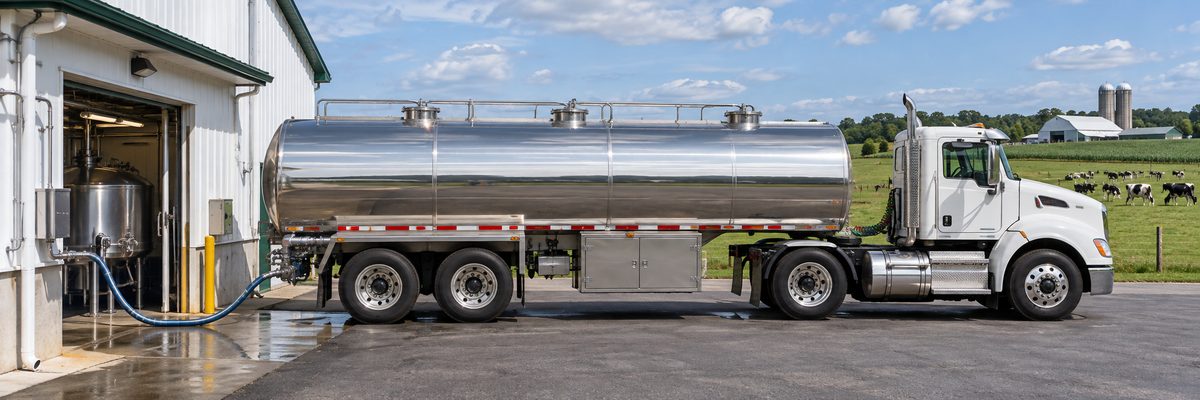
Neither one is automatically better. A co-op is owned by its farmer members and a proprietary handler, the independent buyer, is owned by someone else, such as a family, a company or investors. The right choice depends on what's available where you farm, what each will pay you, and how much risk and ownership you want.
In some areas you won't have a choice at all because only one hauler runs your road. Where you do have one, it's worth comparing the whole package and not just the headline price. The cheapest-looking check can be the most expensive deal once the deductions come off.
How the two differ at the core
| Topic | Co-op | Independent (proprietary) handler |
|---|---|---|
| Ownership | Owned by member farms | Owned by a company, family or investors |
| Governance | Elected board, member votes | Management and owners decide |
| Equity | Often required; built from retains or patronage | Usually none |
| Pay approach | Pooled price, often with year-end patronage | Contracted price, often tied to order minimums plus premiums |
| Market security | Usually a home for member milk, including in a flush | Depends on contract and plant needs |
| Leaving | May involve notice and equity redemption | Contract notice period |
That's a generalization, and exceptions are everywhere. Some co-ops are lean and pay well above minimums, and some private plants are loyal to their shippers for decades. Treat the table as a map and check the ground yourself.
What a co-op can offer
- A market for your milk. Co-ops often exist to make sure member milk finds a home, which matters in spring flush or when a plant goes down for repairs.
- A voice. You can vote for directors, show up at the annual meeting and complain with standing.
- Returns beyond the milk check. Patronage can add to your income if the co-op has a good year.
- Services. Many have field staff, quality programs, risk tools and sometimes feed or supply arms.
What to watch
- Equity can tie up money you may need elsewhere. How the retains work is explained in co-op equity retains and patronage dividends.
- Deductions for hauling, dues and marketing can add up. You'll need to read the statement to see them.
- Leaving may mean waiting for your equity. That's the hidden price of an exit, and it's rarely mentioned at sign-up.
- Being a part-owner doesn't guarantee a better price. The board and the market still make the rules.
What an independent handler can offer
- Clear contract terms. You know what you're paid, how it's calculated and what the premiums are. A good contract is a straightforward document.
- Possible premiums. Some private buyers pay quality, volume or component premiums to win or keep shippers, which is covered in how milk quality premiums work.
- No equity to build. If you don't like tying up cash, this can be a plus.
- A direct relationship. Some farms like dealing with a single plant manager who knows their name and their tank.
What to watch
- The buyer's needs rule. If the plant has too much milk, the farms at the edge of the route may hear about it first. What to do if your milk buyer drops your farm covers that scenario.
- Contract terms can favor the buyer: short notice for the plant, longer notice for you, or changes in deductions at their discretion.
- Pay and policies can change when ownership changes. A plant sale can bring a new price list, a new field rep and a new attitude.
Compare them with your own numbers
Ask each buyer for the same information and line it up:
- The price basis: federal order minimums, a fixed formula or something else.
- All premiums and what you'd need to hit them: butterfat and protein levels, somatic cell count, bacteria counts, volume.
- All deductions: hauling, stop charges, dues, promotion, equity retains, administrative fees.
- Pickup schedule and the farm's access requirements.
- Notice periods in both directions, and what happens in a flush or a shortage.
- Payment timing and who holds the money if a plant fails.
Take last year's actual shipments and run them through each offer. It's a bit of arithmetic and it beats loyalty and rumor. Be careful with the hauling and stop charges, which differ widely and can swallow an apparent premium on a farm at the end of a long route.
Regional realities
Where you farm shapes the choice. The Northeast and Upper Midwest have large co-ops and many small plants, so there may be choices. In California, Idaho and the Southwest, dairies are bigger and buyers range from large co-ops to private cheese and powder plants. In the Southeast, bottling markets lean on co-ops to balance supply. Extension programs like UW-Madison Dairy Extension and Cornell's PRO-DAIRY publish regional market information worth reading.
Ask the people who ship there
Brochures are written by the buyer. Statements are written by the buyer too, but at least they have numbers. The best information comes from farms that have shipped to each option for a few years: how fast problems get fixed, whether the field rep returns calls, what happened to the check in the last price crash and whether anyone has ever been dropped. Ask two or three current shippers on each side, and ask a former shipper if you can find one. Their answers will rarely match the sales pitch, and that gap is the useful part.
If you decide to move
Switching isn't a phone call. Notice periods, equity, hauling arrangements and plant capacity all have to line up. The step-by-step is in how to switch milk buyers without losing pay, and before you sign with anyone, what to ask before signing a milk contract is worth a read. Neighbors will have strong opinions. They're free, and they're worth about what you pay for them.
Quick answers
Is a co-op safer than a private buyer?
It can be, because co-ops usually exist to take their members' milk, but it's not a guarantee. Look at the co-op's finances and its history in a down market. A private buyer with a strong plant and a good record can also be a stable partner.
Which one pays more?
It varies by region and by year, so there's no general answer. Compare your actual milk through each pay formula, including premiums, deductions and any equity or patronage effect.
Can I ship to both?
Some farms can and most can't. Marketing agreements often require all or most of your milk to go to one buyer, so read the exclusivity language before you plan a split.