Milk Markets, Co-ops & Processing
Milk Hauler Pickup: Schedules, Access and Courtesy
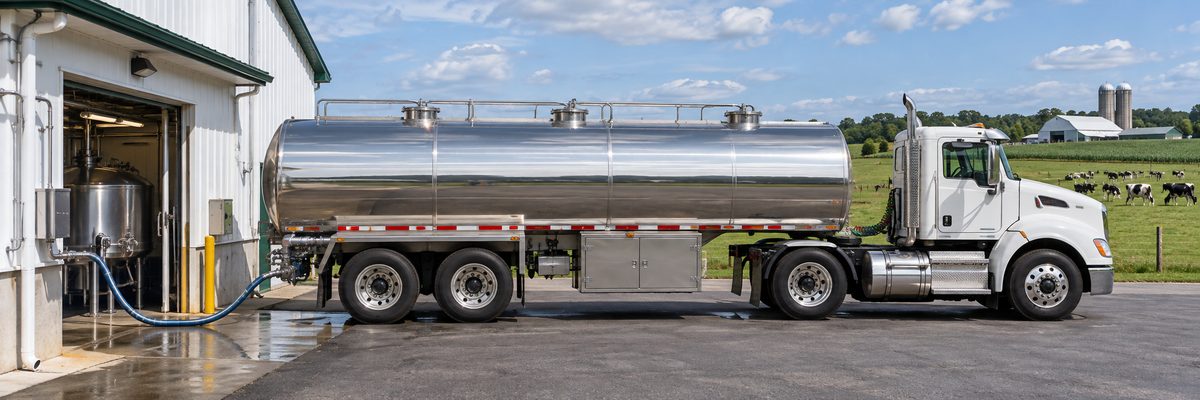
The milk hauler is the one person who sees your farm at its worst and still shows up, often before daylight and after snow. A hauler is also the person who takes the sample that decides what your milk is worth, and who tells the plant whether your farm is easy or a headache. Make the hauler's job simple and the whole system runs better.
Most pickup problems aren't dramatic. They're a gate nobody latched, a lane with a drift, a hose that was left in the wrong place, a tank that wasn't ready. Fix those and you've fixed most of it.
How pickup schedules work
Your handler sets the pickup schedule based on the route, tank size and plant needs. Some farms are picked up every day, and many are picked up every other day, which is common in much of the country where tanks are large enough to hold two days' milk. The schedule may shift at holidays, during weather problems or when the plant changes its needs. If you're weighing the tank side of this, every-other-day pickup pros and cons covers cooling, capacity and quality.
Pickup times can also drift. A route that was an early-morning stop can become an afternoon one when another farm is added. Ask your field rep how much notice you'll get of a change, and get the usual window so you can plan your milking schedule around it. If you change milking times, tell the hauler. A tank that's still filling when the truck arrives is a short conversation nobody enjoys.
What the hauler needs from the farm
A clear, safe approach
- A lane wide enough for a tanker, with a firm surface in every season.
- Room to turn around or back up safely, with no cows, kids or equipment in the way.
- Overhead clearance for trees, wires and gates.
- Good lighting for early or late stops.
- Gates that open, stay open and aren't a stunt to operate.
A tanker is heavy and doesn't forgive soft ground. Cutting ruts in spring or sliding into a ditch in winter can cost a farm its route. The winter access plan covers snow removal, sanding and a backup if the truck can't reach the tank.
Tank room access
- A clean, well-lit milk house with a door the hauler can reach without a scavenger hunt.
- An outlet or hose connection that's easy to reach, with a clean hose-port area.
- Clear space around the tank so the hauler can see the level and read the thermometer.
- A sampling setup that lets the hauler take a proper sample without contaminating it.
- A way to reach the farm if something is wrong: a phone number the hauler can use before the truck leaves the yard.
Have the tank ready
- Agitate properly. Milk should be mixed so the sample is representative. Haulers typically need the agitator to run for a set time before sampling, and your handler or the state may specify it.
- Keep the milk cold. The cooling expectations are described in how fast milk must cool in the bulk tank. A warm tank is a rejected load.
- Don't add milk right before pickup. Late milk into a loaded tank warms the whole batch and can mess with the sample.
- Keep the tank clean and the area around it tidy. A hauler who sees a dirty tank room may report it. The bulk tank cleaning routine keeps it in order.
- Hold milk from treated cows out of the tank. Withholding periods and discard are covered in milk withholding times and records, and your herd vet can answer questions about specific drugs. Residues are serious for the whole load.
Sampling and what it means for you
In many areas the hauler is the person authorized to take the milk sample that goes to the lab. That sample is used for components, quality tests and sometimes screening for drug residues. How milk is sampled and graded at pickup explains the process. Make sure the sampling point is clean, and don't interfere with the sampling. A sample taken properly protects you as much as the plant. If a result looks wrong, ask the hauler and the buyer how the sample was handled, and keep records of your own tank temperature and wash cycles.
The National Mastitis Council and your extension dairy programs publish guidance on the farm practices behind good test results. The NMC website is a solid place to begin.
Small courtesies that matter
- Plow, sand or grade the lane before the truck arrives, not after it's stuck.
- Keep dogs tied or shut in. A friendly farm dog under a tanker is not friendly for long.
- Latch gates, and if you leave one open on purpose, tell the hauler.
- Leave a note or call if something's changed: a washout, a broken light, a water line across the lane.
- Offer a place to warm up on a bitter morning. A cup of coffee won't change the milk price, but it does change how the hauler talks about your farm.
- Treat haulers the way you want them to treat your cows: calmly, and without surprises.
When there's a problem
Haulers can refuse milk that appears to be warm, off-flavored, contaminated or not properly agitated, depending on the plant's rules. If they do, ask what they saw and what the next step is. Keep a log of what happened, and call your field rep. Often a simple fix, such as repairing a cooling problem or changing a wash step, clears it up.
Charges tied to the stop, such as extra fees for difficult access or low volume, are described in hauling charges and stop charges explained. If you're talking with a possible new buyer about access, what to ask before signing a milk contract includes pickup questions. For anything about licensing or inspection, your state dairy regulatory agency is the authority.
Quick answers
How often will my milk be picked up?
Every day or every other day is typical, set by your handler based on the route, tank size and plant needs. Ask your field rep for the schedule and how much notice you'll get for changes.
What happens if the truck can't reach my tank?
The hauler will usually contact the handler, and the pickup may be delayed or missed. Have a winter access plan and a way to keep milk cold in the meantime, and talk to your handler about backup options before the storm.
Can a hauler reject my milk?
Yes, if the milk doesn't meet the handler's or the state's requirements, such as temperature, appearance or a failed screening. Ask what the problem was, document it and work with your field rep to fix the cause.