Milk Markets, Co-ops & Processing
On-Farm Milk Bottling: Equipment and Startup Costs
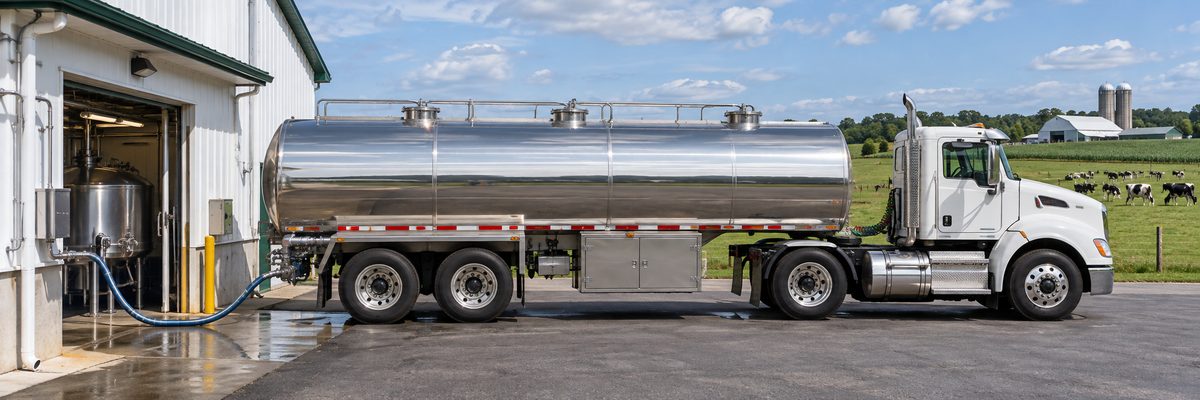
Nobody can give you an honest single price for an on-farm bottling plant, because the range is wide and the biggest cost is usually the building, not the bottler. A tiny setup in an existing, well-suited room using used equipment can run in the tens of thousands. A new, purpose-built plant with a full line, cooler space and delivery truck can climb into six figures or well beyond. Where you land depends on volume, your state's rules and how much of the building already exists.
What you can do is know the list of things you will be asked to pay for, get written quotes for each, and add a cushion for the items nobody mentions until the inspector does. This article lays out that list, with the cost drivers explained in general terms and no invented price tags.
The equipment list, in plant order
Think of milk moving through the plant, and the equipment follows naturally.
Milk receiving and cooling
You need a sanitary way to get milk from the bulk tank to the processing room: approved piping or hoses, a pump, and often a separate raw milk holding tank so the main shipment is not tied up. A plate cooler or good bulk tank cooling helps keep raw milk at the right temperature before it is processed.
Pasteurizer
This is the heart of the plant and a big chunk of the equipment budget. Small plants usually choose between a vat (batch) pasteurizer and a small HTST unit, and the guide to choosing a pasteurizer goes through the trade-offs. Some states also require recording thermometers, flow controls or other controls tied to the type you buy, so ask before you shop.
Homogenizer (optional)
Not every farm bottler homogenizes. Cream-line milk is a marketing point for some small plants, and skipping homogenization removes a piece of equipment and a few steps of cleaning. If you do want smooth, uniform milk, you will be pricing a homogenizer and probably a larger pasteurizing setup.
Filling and capping
Options run from a hand-fill spigot and cap setup to semi-automatic fillers to full lines. Your container choice shapes this decision, and the glass versus plastic comparison covers what each does to your budget. Glass adds a bottle washer, a deposit system and a lot of handling. Plastic and paper add per-unit cost and storage.
Cooling and cold storage
Pasteurized milk must be chilled quickly and kept cold. Plan for a walk-in cooler or enough refrigeration for a few days of product, plus a cold delivery setup if you go beyond the farm store.
Cleaning and sanitizing
A three-compartment sink, hand-wash stations, hoses, brushes, test strips for sanitizer concentration and a cleaning schedule. Many small plants clean manually, while others add a clean-in-place system. Your regulator will have opinions.
Lab and testing supplies
Some states require a plant to have specific testing equipment, such as phosphatase testing capability or a lab arrangement with an approved outside lab. Ask what yours requires, and what you can outsource.
Where the money actually goes
New processors often fix on the pasteurizer price and miss the rest. A rough way to think about it is in layers:
- The building. Floors that drain, walls that wash, ceilings that are easily cleaned, adequate lighting, ventilation, floor drains and a hand sink in the correct spot. This is often the largest cost.
- Utilities. Hot water capacity, power (three-phase if your equipment needs it), wastewater handling, refrigeration and potable water, which may need testing or treatment.
- Equipment. The part everyone thinks about: pasteurizer, filler, tanks, pumps, coolers.
- Installation and approvals. Plumbers, electricians, stainless fabrication and inspections.
- Packaging, labels and design. Bottles, caps, cases, crates and label printing.
- Licenses, training and testing. Fees, lab work and any required operator certification.
- Delivery and sales. A refrigerated vehicle, display coolers, a farm store counter.
- Working capital. Because the product leaves before the checks arrive.
The Cornell dairy foods extension has a resource page for small processors with tabs on building design, equipment and funding opportunities, and it is a decent first stop for a checklist even if you farm nowhere near New York.
New or used equipment
Used stainless can save serious money, but it also carries risk. Before buying used, ask your state regulator whether the unit meets current requirements, whether it will be approved in your plant, and whether it has the right controls, valves and gaskets. Many states want equipment approval before purchase and after installation, so a deal that cannot clear the inspector is no deal. A used pasteurizer that cannot be approved is a lawn ornament with a heating element.
New equipment costs more up front but usually comes with documentation, support and a clearer path through plans review. Ask for references from other small bottlers, not just the sales rep.
Running costs that do not show up in the startup budget
- Labor for bottling, washing, delivery and paperwork.
- Utilities: hot water and refrigeration are not cheap.
- Containers and caps, which add up at every sale.
- Testing, permits and renewals.
- Product loss from spoilage, returns, spills and the occasional batch that goes wrong.
- Delivery fuel and vehicle upkeep.
Run your numbers on a conservative volume. A plant that only works if every jug sells has a thin margin for error. The cost of production per hundredweight is a good starting point for working out what your raw milk is really costing you, before you add processing on top.
A sensible order of operations
- Decide on volume and containers.
- Talk to your state dairy regulator and ask about plans review and required controls.
- Get at least two written quotes for each major piece of equipment.
- Price the building work separately and ask for realistic timelines.
- Build a budget with a cushion, then check it against your sales plan.
- Apply for the license process described in getting a dairy processing license, and do not buy until the plans are approved.
If the numbers look rough, check whether another product fits better, or whether the step by step creamery plan points toward a smaller start. Milk is the least forgiving thing to bottle, and a farm that sells out of cheese or yogurt can sometimes get going with less.
Quick answers
How much does it cost to start a small milk bottling plant?
It varies widely, from the tens of thousands for a very small setup in an existing space to well into six figures for a new building and full line. Written quotes for your own plan are the only numbers worth trusting.
Do I need to homogenize milk to sell it?
No. Many small bottlers sell cream-line milk and skip the homogenizer. It saves equipment and cleaning, but some customers prefer uniform milk, so know your market.
Can I use used equipment in a bottling plant?
Often, but your state regulator has to approve it first. Ask before you buy, and ask what documentation they will want.