Milk Markets, Co-ops & Processing
Direct Marketing Dairy: Farm Store, Delivery or Farmers Market
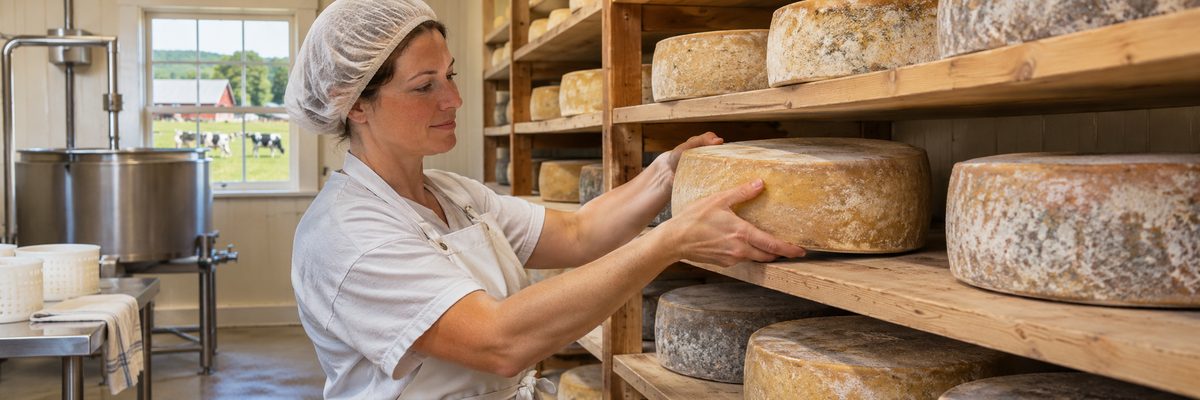
Selling your own milk, cheese or yogurt straight to people sounds like the dream: no hauler, no blend price, a customer who says thank you. Then Saturday arrives, the cooler won't hold temperature, the card reader has no signal, and you realize you've taken a second job that starts at five in the morning.
Each way of selling direct has a different personality. A farm store puts customers in your yard and your work on a fixed schedule. Delivery puts you in a truck and builds loyalty. A farmers market gets you a crowd and eats your weekend. Which one fits depends on what you make, how far you are from people, and how much of your life you're willing to rearrange.
Start with the license, not the sign
Before any outlet, the product has to come from a legally licensed source. In most states that means a licensed dairy plant for pasteurized products, with separate and more restrictive rules for raw milk, which some states ban from retail entirely. Farmers markets, home delivery and on-farm stores can each trigger additional permits: food vendor permits, health department approval for refrigeration, scale certification, sales tax registration, and in some places a separate approval for delivery vehicles.
Call your state dairy agency first and your county health department second. If you're still working through the plant side, what to expect when getting a dairy plant license and on-farm bottling equipment and startup costs cover the groundwork. Raw milk is a different track; selling raw milk legally is a checklist for where it's allowed.
Outlet by outlet
| Outlet | Labor | Licensing and rules | Best for | Biggest headache |
|---|---|---|---|---|
| Farm store | Steady; someone has to be there, or an honesty box has to be legal | Retail food rules, refrigeration, signage, sometimes zoning | Farms near traffic or tourism | Hours that never fit the chores |
| Home delivery | Route time plus packing and billing | Delivery vehicle and cold-chain rules, subscription records | Farms near suburbs with loyal customers | Fuel, missed drops, returned bottles |
| Farmers market | Heavy; a full day plus loading and cleanup | Vendor permit, temperature control, product restrictions | Testing a product, building a following | Weather, cooler failures, long days for uneven sales |
| Retail accounts (stores, restaurants, co-ops) | Delivery runs plus invoicing | Same licensing, plus product liability expectations | Selling more volume with less face time | Wholesale prices and slow payers |
Farm store
A farm store has the lowest marketing cost once it's running because customers come to you. It also gives you the most control: you set the hours, the displays and the story. The trouble is that the store has to be staffed or monitored when it's open, and customers who drive out from town expect the lights to be on. Seasonality varies: Northeast and Upper Midwest farms see a surge when visitors come for fall color, while Southeast and Southwest stores may do better in cooler months when people want to be outside. Liability matters when strangers walk across your yard, so look at liability coverage for dairies before the first customer shows up.
Home delivery
Delivery is the most reliable customer relationship. Subscribers order the same thing every week, you know how much to make, and they don't comparison-shop at the register. It works best when the population is dense enough that a route stops every few minutes instead of every few miles. If you use glass, deposits and returns become part of the job; glass versus plastic for farm milk weighs those tradeoffs. Keep the cold chain honest: milk sitting in a hot truck bed is a food safety problem, and regulators care more about that than about the quality of your logo.
Farmers market
Markets are the best place to find out whether anyone wants what you make. You get fast, unfiltered feedback, and a table can double as advertising for your farm store or delivery route. The costs are in time and equipment: coolers, ice, a canopy, a way to take cards, and the whole Saturday. Some states limit what dairy products can be sold at markets, or require extra approvals for each, so check first. Pricing is the second challenge. Customers will compare your cheese with something from a grocery store, so pricing farmstead cheese for profit is worth working out before you set a price you'll later regret.
The part nobody puts on the sign
Direct marketing turns you into a retailer, which means customer service, returns, social media and sales tax. It also tends to turn friends and family into your first customers and your most reluctant ones. There's a farm.FM take on the problem, a farmer who discovers direct marketing means directly annoying friends and family with weekly pitches, and the real-life version is that your cousin will buy the cheese once, politely, and then avoid you at the reunion.
Plan around what you're willing to do, not what you'd like to do. Be honest about hours. A direct sales outlet that takes ten hours a week from a farm already running on empty doesn't add income so much as change which part of your life is falling apart.
How to pick one outlet and test it
- Pick a single product. Don't launch with milk, three cheeses, yogurt, butter and ice cream. Start with the one you do best.
- Pick a single outlet. Add a second only after the first runs smoothly.
- Run the numbers per hour. Count not just the sales but the production time, driving, packing, selling and cleanup. Compare it with what that milk would have earned at the tank.
- Talk to regulators early. They'd rather answer questions than shut down a stand.
- Keep a log for a month. Hours, sales, spoilage, returns. The numbers tell you things your gut won't.
- Know when it's working. A good outlet either pays you more per hour than your next best use of time or builds a customer base you want. If it does neither, adjust or stop.
Regional notes
Densely populated parts of the Northeast and mid-Atlantic have the closest customers and the strongest local-food culture, though they also have more crowded markets. Upper Midwest and Mountain West farms often face long drives, so on-farm stores and shipped products can make more sense than markets. Southeast and Southwest producers need to think hard about heat in vehicles and at outdoor stalls. West Coast farms may have strong demand and strict regulations, sometimes in the same county. For more on marketing ideas and resources, the USDA's Agricultural Marketing Service local and regional food programs list technical support and funding programs that small direct marketers sometimes use.
The label on your product matters in every outlet, too. Milk labeling rules for farm bottlers covers what needs to be on the package before it goes anywhere near a customer.
Quick answers
Is a farm store or a farmers market better for a small dairy?
A farm store needs customers to come to you, which suits farms with some traffic. A farmers market brings customers to you but takes a full day each week. Many small dairies use markets to build a following, then shift most sales to the farm or delivery.
Can I deliver milk to customers' homes?
Often yes, if the milk comes from a licensed plant and your delivery method meets state cold-chain rules. Some states restrict or ban raw milk delivery. Check with your state dairy agency before starting a route.
Do I need a separate license to sell at a farmers market?
Usually you need a vendor permit from the market or local health department in addition to your dairy plant license. Requirements differ by state and county, so ask both agencies.