Milk Markets, Co-ops & Processing
Southeast Fluid Milk Markets and Class I Premiums
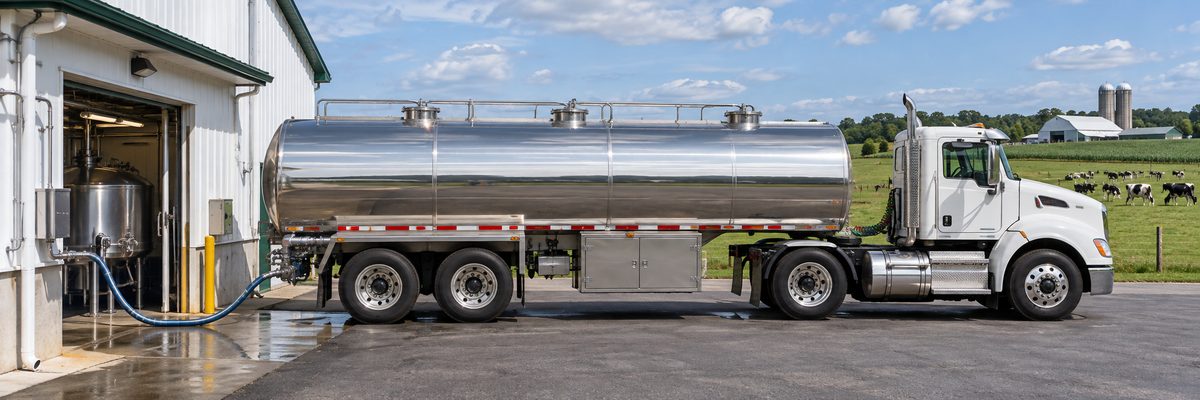
Most of the Southeast is a fluid milk region. People there drink a lot of milk and the cows are fewer than the thirst would suggest, so a large share of the milk produced goes into bottles and cartons. That sets the price differently from cheese country, and it is the reason dairy farmers in Georgia, Tennessee or the Carolinas hear about "Class I" more than their cousins in Wisconsin ever will.
Under the federal pricing system, milk used for fluid products is Class I, and Class I carries a location-based add-on called a differential. In areas that have to bring in milk to meet demand, the differential is higher. That is the premium people are talking about, and it is built into the minimum price, not something the hauler agrees to over coffee at the end of the lane.
The catch, as every Southeast dairy farmer knows, is that the premium reflects scarcity and cost, and the cost is real. Heat, feed that arrives by truck from somewhere else, and a lot of miles between farms all push the cost of making milk up while the same factors justify the price.
What makes the Southeast different
USDA runs separate federal orders for the Appalachian, Southeast and Florida regions, each with its own market administrator. You can find all of them from the AMS list of market administrator websites. The orders share common rules but cover very different markets.
A few features set the region apart:
- Deficit supply. The population is large and growing, while the number of dairy farms has dropped for years. Plants regularly have to bring in milk from other regions to fill the demand.
- Heat and humidity. Production dips and component levels slip in summer, just as demand for fluid milk continues. For cooling ideas, see humid heat cow cooling in the Southeast.
- Smaller herds on average. Many Southeast farms are family operations selling through cooperatives, with a few large dry-lot or freestall herds mixed in.
- Cooperative dominance. Co-ops often act as the balancing arm of the market, supplying milk to bottlers and moving surplus when it appears.
How the Class I premium works
Federal order pricing sets a minimum Class I price by starting from a national base value tied to other milk class prices and adding a differential that reflects where the milk is bottled. Cities far from big milk-producing regions have higher differentials, because moving milk there costs money. Our overview of Class I, II, III and IV milk shows how the classes relate.
Your own check is not priced at Class I alone, though. Most federal orders use a pooling system that averages the value of all milk used by handlers in the market and pays every producer a blend price. The share of milk in the pool that goes to fluid use pulls the blend up. For background, what the blend price on your milk check means breaks it down.
That is the reason Southeast producers often have a higher blend than manufacturing-heavy regions, even when cheese prices are flat. It is also the reason a producer one county over, shipping to a different plant under the same order, may see a different net after hauling and deductions.
Over-order premiums and what handlers add
Beyond the federal minimum, cooperatives and handlers sometimes charge buyers what are called over-order premiums, to cover the cost of supplying milk when local supply is short. Some of that makes it back to members. How much depends on the cooperative, the contract and the season, so ask for the details in writing instead of relying on what another farmer told you at the feed store.
Typical items on a Southeast milk statement may include:
- The blend price or its equivalent, with component premiums.
- Hauling and stop charges, often higher where farms are spread out.
- Cooperative dues and marketing charges.
- Quality premiums or deductions tied to somatic cell count and bacteria, which matter more in warm months. See summer bacteria counts in the Southeast for the usual culprits.
The seasonal squeeze
Summer is hard on production, and it also lines up with school breaks, when milk demand for schools drops. Bottlers need milk anyway, but the supply-and-demand picture shifts through the year, and some handlers adjust premiums or seasonal pay plans in response. Producers who can hold volume and components through the heat are usually worth more to a buyer than those who fall off a cliff in July, and July in Georgia has never once been accused of being gentle.
That is not a reason to expect a windfall. It is a reason to know what your handler pays for steady milk, and to look hard at cooling, water and ventilation before assuming the summer slump is just part of life. It is a part of life for a cow standing in a humid barn with no fan. It does not have to be a part of your business.
Questions to ask your handler
- Which federal order am I in, and what is the Class I differential for the plant that buys my milk?
- How is the blend price calculated on my statement, and how much of my milk is classified as fluid?
- Does the cooperative pass over-order premiums back to members, and how?
- Are there seasonal bonuses or base programs that affect my summer milk?
- What are the quality standards, and how are premiums or deductions applied?
Handlers who answer in acronyms and hope you stop asking are a regional specialty. If your handler will not answer those in plain language, that is information too. A buyer that is happy with its terms usually does not mind explaining them.
A note on state programs
Some Southeast states also have their own milk commissions or rules that influence prices, licensing and plant inspection. Check with your state dairy or agriculture agency, since these rules differ by state and change. The USDA AMS page above also lists states with classified pricing programs.
Quick answers
Do Southeast dairy farmers get paid more than Midwest farmers?
The minimum Class I price is higher in the Southeast because of location differentials, and that can raise the blend price. But costs for feed, cooling and hauling can be higher too, so the net varies from farm to farm.
What is a Class I differential?
It is a location-based amount added to the base Class I price to reflect the cost of supplying fluid milk to that area. Cities farther from heavy milk-producing regions typically carry higher differentials.
Why does my milk check dip in summer?
Heat reduces milk yield and butterfat and protein levels, and warm weather can push up bacteria counts if cooling and cleaning slip. Check with your handler about seasonal pay plans and ask your herd advisor about heat abatement.