Milk Markets, Co-ops & Processing
Butterfat vs Protein: What Your Milk Is Paid On
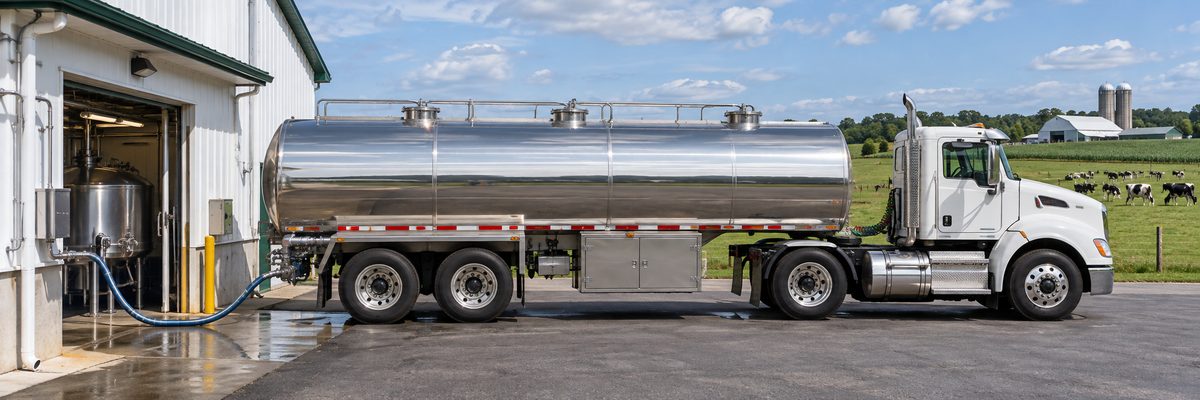
A lot of milk in the US is paid on components, not on water. The buyer values the pounds of butterfat, the pounds of protein and, in many pricing systems, the pounds of other solids in your milk, and your check is built from those. Which one matters more to you depends on the market price of each and on how much of each your cows make.
Neither one wins every month. Butterfat tracks the butter market and protein tracks cheese and whey, and those two don't always move together. A herd that is strong on one and weak on the other will feel the difference when prices swing.
It's a bit like having two kids who both want the front seat. You can't please both every month, but you can pay attention to which one is yelling louder.
What components are
Raw milk is mostly water. The valuable parts are the butterfat (the fat that becomes butter, cream and a good share of the yield in cheese), the protein (mostly casein, which is what builds cheese curd), and other solids, mainly lactose and minerals. Processors pay for what they can turn into product, which is why the milk's makeup matters more than the gallons.
Under a federal milk marketing order, the minimum price for components is worked out through formulas built from wholesale prices for butter, cheese, nonfat dry milk and dry whey, less allowances for the cost of making them. See how federal milk marketing orders work for the pool, and make allowances for the subtraction part. Current formula documents are on the AMS price formulas page.
How each component is priced
Butterfat
The butterfat price is tied to the butter market. When butter is strong, each pound of fat is worth more, and herds with high fat tests benefit. Butterfat also shows up in the Class II, III and IV formulas in different ways, which is why the order's price for fat can move even when cheese is quiet.
Protein
The protein price follows the cheese market, with whey playing a supporting role. Cheese makers care about protein because it controls how much cheese a vat of milk produces. When cheese prices run up, protein pay usually follows.
Other solids
Other solids are the leftover fraction, mainly lactose, and their price is tied to the nonfat dry milk and whey markets. They are usually the smallest dollar share of the check, but they're still part of it. Some buyers don't pay separately for them, so check how your contract treats them.
| Component | Main market driver | What moves it on the farm |
|---|---|---|
| Butterfat | Butter | Breed, fiber and fat in the ration, rumen health, heat stress |
| Protein | Cheese and whey | Genetics, energy and amino acid supply, overall intake |
| Other solids | Dry milk and whey | Genetics, udder health, level of production |
Which one matters more?
It depends. The price per pound of butterfat and the price per pound of protein trade places over time, and a cow makes a different number of pounds of each. What matters is pounds of each component times the price of each. A Holstein herd and a Jersey herd with the same volume have different component loads, and the Jerseys usually bring more of both per hundredweight. If you're deciding between breeds, Holstein vs Jersey covers the tradeoffs beyond components.
The honest answer is to run your own numbers. Pull your last several statements, write down the pounds of fat, protein and other solids you shipped and the price your buyer paid per pound for each, and see which line carries more of your check. Then look at how each price has moved over time. If one component's price is more volatile, that's the one that will make your check jump.
Also check the pricing method your buyer uses. Some pay a straight hundredweight price with a butterfat differential, some pay fully on components, and a few adjust for protein-to-fat ratios. The comparison only works if you know which system you are in.
Moving components without ruining the cow
Components are partly genetic and partly management. Treat the ideas below as conversation topics with your nutritionist, not a recipe.
- Fat. Rumen function is the big lever. Low effective fiber, sudden ration changes and some fat sources can drop the fat test, and milk fat and protein depression from feed goes into the usual suspects. Heat stress and sorting at the bunk also drag it down.
- Protein. Protein is more tied to genetics and to energy intake, and it tends to move slowly. Diets that run short on energy or key amino acids can leave protein on the table. A nutritionist can look at the ration and tell you where.
- Genetics. Sire selection indexes that weight fat and protein help over the long haul. See Net Merit vs TPI for how those indexes treat components.
- Health. Mastitis, lameness and ketosis all hurt both volume and components. A cow in pain doesn't make a good test.
Be careful about chasing a single number. Pushing fat with a ration trick that stresses the rumen, for instance, can cost more in cow health than it brings in at the milk check. A sound ration that keeps cows eating and chewing will usually do more for components than a clever one that has them off feed.
The cow, for the record, has no opinion on which component pays better. She makes what she makes and wants her grain on time.
Regional and market notes
Cheese-heavy regions like Wisconsin, Minnesota and Idaho tend to put a premium on protein, since cheese yield rides on it. Fluid-heavy markets, such as parts of the Northeast and Southeast, may weigh butterfat and volume differently, and some handlers there still use hundredweight-based pay with a fat differential. Grazing and organic herds often have strong fat tests but different volume patterns. Ask your buyer to show you the formula in writing.
For the weekly market picture, the AMS Dairy Market News page links to butter, cheese and whey reports that sit behind these prices. How to read your milk check shows where the component lines sit on a typical statement.
Quick answers
Is butterfat or protein worth more?
Their per-pound prices trade places over time, so your check depends on how many pounds of each you ship and how their prices move. The better answer comes from your own statements.
Does a higher butterfat test always mean more money?
Not always. If your buyer pays on a straight hundredweight with a small differential, extra fat may add little, and chasing fat can hurt the rumen. Check your pricing method before changing the ration.
Can I raise protein quickly?
Not much. Protein is largely genetic and changes slowly, though energy and amino acid supply matter. Talk to your nutritionist about whether the ration is leaving any on the table.