Milk Markets, Co-ops & Processing
Organic Milk Markets: Premiums, Contracts and Waitlists
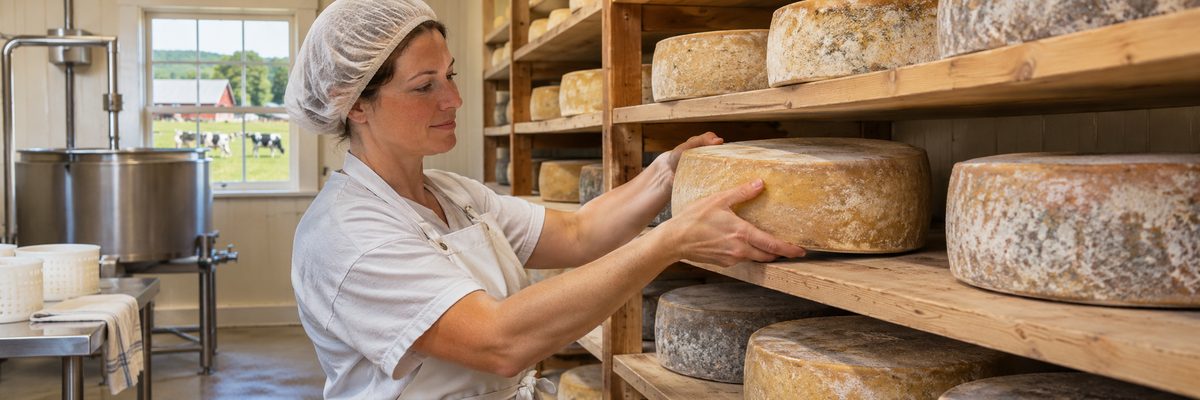
The organic premium gets talked about like a flat fee that falls out of the sky once you're certified. It's closer to a conversation with a milk handler, and the handler gets to decide whether the conversation happens at all.
Here's what matters most. Organic milk generally pays more than conventional milk, but the amount varies by handler, region, contract and market conditions. The harder question isn't "how big is the premium?" but "is there a handler who'll pick up my milk when I'm certified?" Handlers add or pause new farms depending on how much organic milk they need, so openings come and go. A farm that finishes a three-year transition without a buyer lined up is one very expensive surprise.
How organic pay prices work
Conventional milk is priced through federal and state formulas, and the check moves with cheese and butter markets. Organic milk is mostly priced by the handler, through the co-op or processor that buys it. That tends to make organic pay prices more stable and less tied to the commodity cycles, though it doesn't make them immune to them. When organic supply is high and demand is flat, handlers can lower prices, cut premiums or stop taking new farms. When demand is strong, they offer incentives to bring on new milk.
The premium also doesn't come free, which is a rule that holds for most things in a dairy except flies. Organic feed typically costs more, yields per cow are often lower, pasture requirements change your management, and certification adds paperwork and fees. Comparing premiums only makes sense after counting costs, and organic versus conventional dairy profit goes through that math. For the feed side specifically, sourcing organic feed without wrecking your budget is worth a look before you commit.
What the check can include
- Base price. The handler's published or contract price for organic milk.
- Component and quality adjustments. Butterfat, protein, somatic cell count and bacteria counts may all move the check.
- Seasonal or volume adjustments. Some handlers pay differently depending on when the milk arrives or how consistent your volume is.
- Pasture or program premiums. Some handlers offer extra pay for specific programs, like grass-based or forage-based milk.
- Deductions. Hauling, promotion, equity retains and other charges, much like a conventional check. How to read your milk check line by line helps with the layout.
Why handlers keep waitlists
Organic milk is a market with a limited set of buyers, and each one balances supply against what stores will move. Adding a farm means a new pickup stop and a lot more milk in the system. If a handler already has more than it can sell, it holds off on adding farms, and new producers go on a list. Regions with fewer organic handlers see this more, particularly where haulers have to drive a long way for a small farm.
Waitlists don't mean the door is shut forever. Openings often come when demand rises, when other farms leave or when a handler wants to fill a route that's already running. The usual approach is to contact several handlers in your region, ask where they stand, and keep in touch. A farm that checks in politely every few months is remembered. A farm that sends fourteen emails in a week is also remembered, for different reasons.
Contracts and what to confirm
An organic contract often has more moving parts than a conventional one. Before you sign anything, ask:
- Is there a firm opening, and when? Get dates and conditions in writing, not a friendly maybe.
- Do you accept farms in transition? Some handlers help farms during the transition years, others only accept certified milk, and a few offer special pricing for transitioning milk.
- How is the price set and how often does it change? And how much notice do I get?
- What are the quality and program requirements? Pasture days, feed sourcing rules, record keeping, breed or herd restrictions.
- How long is the contract, and how do I exit? Termination terms and what happens to your milk if the handler pauses pickups.
- What are the hauling arrangements? Pickup schedule and charges, particularly for farms far from other producers.
The general questions in what to ask before signing a milk contract apply here too. For the standards themselves, the USDA's National Organic Program sets the federal rules for organic production, and your certifier can answer questions about your own plan.
Timing: handler first, transition second
The order matters. Talk to handlers first. Then plan the transition. The organic dairy transition period explained covers the timeline for land and animals, and it's long enough that markets can shift before you finish. Starting without a buyer means relying on conditions staying the same across several years, and agriculture rarely cooperates with that kind of confidence.
A few other things to check while you're there: whether your milk would be picked up with the equipment and schedule you have now, whether the handler expects specific forage or pasture practices, and whether your herd's size and location fit the handler's route. Some handlers prefer farms near existing stops, because hauling an organic tanker to a farm alone on a gravel road costs more than the premium looks like on paper.
Regional differences
Organic dairies are concentrated in the Northeast, Upper Midwest and parts of the West, with large organic herds in the Southwest and West Coast and many smaller grazing farms in New England, New York, Pennsylvania, Wisconsin and Minnesota. Handler availability follows that pattern. Farms in regions with few organic dairies may face longer hauls or fewer buyers, and regions with many organic herds can have more competition for each opening. Federal order rules, state programs and local processors differ, so confirm what's offered near you. The USDA AMS also publishes organic market news reports that give a view of broader market conditions.
For getting the certification itself, how to get your dairy organic certified, step by step picks up where this article ends.
Quick answers
How much more does organic milk pay than conventional?
It varies by handler, region and market conditions, and it can change over time. Ask handlers directly for their current organic pay price and what adjustments apply, then compare against your costs.
Can I become organic and then find a buyer?
That's risky. Organic handlers sometimes pause adding farms, so it's safer to secure a buyer or written commitment before starting the transition.
Why won't any handler return my call?
Often because they're not taking new farms right now. Keep contact friendly and periodic, ask to be put on their list, and contact more than one handler in your region.