Milk Markets, Co-ops & Processing
Western and Southwest Dairy Markets: California, Idaho and Texas
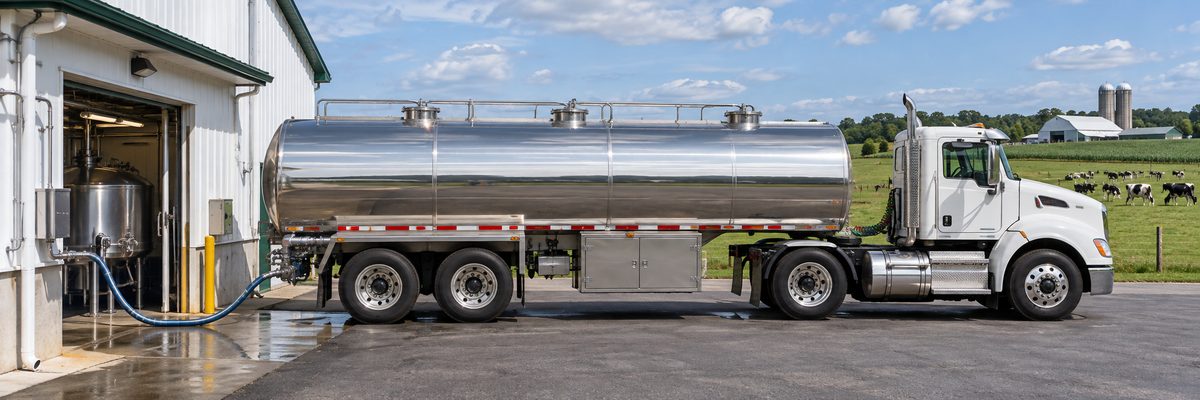
Large-herd dairy country in the West and Southwest sells milk differently than a 60-cow tiestall barn in the Northeast. The herds are big, the milk volumes are bigger, and most of it ends up as cheese, butter, powder or whey rather than a jug on a grocery shelf. That changes what moves your milk check from month to month.
The short version: in California, Idaho and the Texas Panhandle, your price is mostly a manufacturing-milk price. Cheese and the by-products of cheese do most of the talking. Fluid milk matters near the big cities, but the plants that take the tanker loads out of the dry-lot belt are cheese vats and dryers.
If you have ever watched a tanker leave at two in the morning and wondered how many hands that milk passes through before it becomes anything you could eat, this is the article for you. There are a lot of hands. Most of them are on a spreadsheet.
How the big Western markets are set up
Nearly all Grade A milk in the country is priced under a federal order or a state program, and the Western and Southwest regions are no exception. USDA lists separate federal orders for California, the Pacific Northwest, Arizona and the Southwest, each with its own market administrator, and the AMS page on market administrator websites links to every one. California moved from its own state system into the federal order structure, and the California market administrator now publishes the pricing and pooling information at cafmmo.com.
If the mechanics of classified pricing are still fuzzy, how federal milk marketing orders work covers the basics, and the class system explains why the same gallon can be worth different amounts depending on what the plant does with it.
What each region leans on
California
California has long been the largest milk-producing state, and a great deal of its milk goes into cheese, butter, nonfat dry milk and other manufactured products. Herds are large, many on dry lots or in open-corral systems, and milk moves through cooperatives and a handful of big processors. The details of cow housing out there are a topic on their own; freestalls versus open corrals on the West Coast gets into it.
Cooperatives matter a lot in California. Many producers are members of a cooperative that owns or contracts with plants, so the check reflects the co-op's blend of products, hauling and member charges as well as the order's minimum prices.
Idaho
Idaho has grown into a major cheese state. Large plants in the Magic Valley and surrounding areas turn milk into cheese and whey products, and the milk supply is mostly from large freestall and dry-lot herds. Because the buyers are manufacturers, Idaho producers watch the cheese market, and the value of whey, more closely than most dairy farmers watch the weather. The weather forecast is a distant second.
Texas and the Southwest
Texas milk is priced in the Southwest federal order, and it splits into two different businesses. Around the metro areas, fluid milk plants want a steady supply year-round. Up in the Panhandle, big herds ship to cheese plants and other manufacturers. Heat is the common problem; summer production dips, and a handler that needs milk in August may pay for it differently than one that has more than it can use in April.
Why cheese and whey dominate the check
Under the federal system, the minimum prices for milk used in cheese are tied to the prices of cheese and its by-products, adjusted by a manufacturing allowance that stands in for what it costs the plant to make the product. When cheese prices climb, Class III climbs. When whey drops, the protein and other-solids part of your check drops with it. Our explainer on how block cheese prices set your milk price walks through the link step by step.
That is why Western producers pay attention to export markets. Whey protein, lactose, powders and cheese all sell abroad, and a shift in overseas demand shows up at the farm gate. For more on that connection, see how dairy exports and tariffs hit your milk check.
What a handler or co-op will typically charge
Beyond the minimum price, handlers and cooperatives take deductions and pay premiums. The exact mix varies, so read your own check. Typical items include:
- Hauling and stop charges, which depend on distance and how many farms the truck serves.
- Cooperative dues, marketing charges and equity retains.
- Component, quality and volume premiums, which a large herd with good milk can earn and a poorly managed one can lose.
- Promotion and checkoff assessments.
- Possible adjustments for seasonality, base programs or supply management where a handler uses them.
A line-by-line look at a statement is the fastest way to learn what you are actually being paid; how to read your milk check is a good place to begin.
Practical points for large-herd producers
Scale changes the questions you ask. A few that tend to matter in the West and Southwest:
- Know who your marginal buyer is. If your co-op or handler dropped you tomorrow, how many plants could take your milk within a reasonable haul? Large volumes shrink the list quickly.
- Ask how the handler pays for components. Butterfat, protein and other solids each carry a price, and a herd that ships high components does better in a cheese-driven market.
- Watch your cost of production, not just the price. Feed bought at a distance, water costs and labor can swing margins more than a few cents on the check.
- Plan for heat. Southwest summers cut components and milk volume, and a contract that rewards steady supply may want you to hold production through them.
- Understand the cooperative's balancing role. Some co-ops take on the surplus and charge members for it. That is a real cost, and it is easy to miss on a statement.
Mistakes to avoid
- Assuming the price you see in the news is the price you get. Futures and announced class prices are a starting point; your blend, deductions and premiums decide the real number.
- Ignoring the by-products. Whey is not a rounding error when the plant is a big cheese operation.
- Signing a long contract without asking what happens if the plant changes owners or products.
- Comparing your check to a neighbor's without comparing components and hauling.
Anyone in a rural county can tell you the neighbor's opinion on milk price is free and usually wrong. Your own statement is the only reliable one.
Quick answers
Is the milk price the same in California, Idaho and Texas?
No. Each region has its own federal order or program, its own mix of plants, and its own handlers and cooperatives. Minimum prices follow common rules, but premiums, deductions and hauling differ.
Why does cheese matter more than fluid milk for big Western dairies?
Because most of the milk from large Western herds goes to plants that make cheese, butter and powder, not to bottling plants. That makes cheese and whey values the main driver of what manufacturing-milk pricing pays.
Where can I check the pricing rules that apply to my farm?
Start with the market administrator for your federal order, which you can find through the USDA AMS page above, and then ask your handler or cooperative for the written pricing terms. Your state dairy agency or land-grant extension office can help interpret them.