Milk Markets, Co-ops & Processing
How Dairy Cooperatives Work for Member Farms
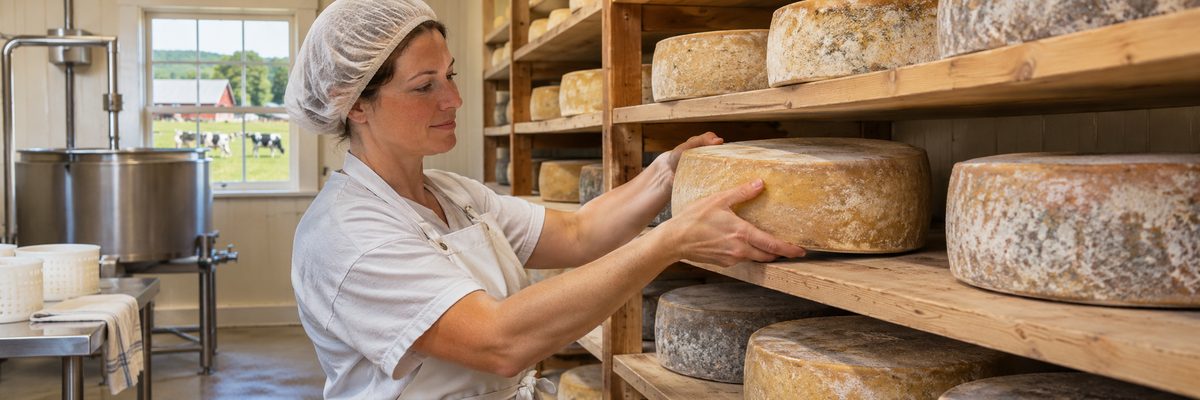
A dairy cooperative is a business owned by the farms that ship to it. The farmers are both the suppliers and the owners, so the co-op's job is to market their milk and return the money to them, after covering its own costs. That's the idea, anyway. In practice, co-ops run from small local outfits that bottle a bit of milk to enormous organizations that move milk across several states.
You're more than a customer when you join. You usually sign a membership or marketing agreement, you may be asked to build equity in the co-op, and you often have a vote. It's a bit like owning a share of the milk truck, the plant and the guy who argues with the plant, all at once.
The basic structure
Members own it
Members elect a board of directors from among themselves. The board hires management, sets policy and approves budgets. The size of your voice depends on the co-op's bylaws, so ask whether voting is one member, one vote or weighted by volume. Annual meetings are where you hear the financial results, and they're also where you hear what your neighbors think of them.
The co-op markets the milk
Most dairy co-ops are marketing co-ops. They arrange for the milk to be picked up, find a home for it, whether that's a bottling plant, a cheese plant, a powder plant or a co-op-owned facility, and pay members a pooled price. Some own plants and make their own products. Others act mainly as a sales agent for members' milk. A few mix the two.
Federal recognition
Under federal law, qualified cooperatives get certain privileges within the milk marketing order system, and USDA reviews whether cooperatives are bona fide. USDA's Agricultural Marketing Service explains this on its page about the qualification of milk marketing cooperative associations, including a list of qualified co-ops and the Capper-Volstead Act, the federal law that gives farmer co-ops limited room to market together. If you want the broader frame, how federal milk marketing orders work covers how co-ops fit in.
How the money flows
- The co-op sells your milk, or the products made from it, and collects revenue.
- It pays its costs: hauling, plant operations, staff, marketing, loans and a margin for reserves.
- It pays you a milk price, usually based on federal order minimums plus premiums, less deductions.
- At the end of the year, any net income left over may be returned as patronage, some in cash, some held as equity.
Your check will show deductions that vary from co-op to co-op: hauling, membership dues, marketing or promotion, equity retains and sometimes loan repayments. Reading your milk check line by line will help you spot each one.
Equity and patronage in plain words
Equity is your ownership stake. Co-ops build it in several ways: a one-time membership fee, a per-hundredweight retain taken from each check, or patronage allocated from year-end earnings but paid in the form of equity. The money is held for you and, in many co-ops, paid back later, sometimes after many years, or when you leave or retire. Co-op equity retains and patronage dividends goes deeper on how this works and how it's taxed.
The key question is the redemption schedule: when and how does the co-op give your equity back? Some pay on a fixed rotation, some at retirement, some only when the board decides it can afford to. Ask early, not at the exit interview.
What you give, what you get
| What members commonly give | What members commonly get |
|---|---|
| All or most of the farm's milk, under a marketing agreement | A market for the milk, including in a flush when plants are full |
| Equity, built from retains or fees | A share of year-end earnings, in cash or equity |
| Notice before leaving, and sometimes a lock-in period | Field staff, quality help and, often, premium programs |
| Participation in votes and meetings, if you choose | A say in who runs the place |
The terms differ a lot from one co-op to the next, so treat this table as a prompt for questions, not a promise.
Where co-ops show up strongest
Co-ops are a big part of dairy marketing across much of the country. In the Northeast and the Upper Midwest, many farms ship through large regional co-ops, while in some Western and Southwestern areas there's a mix of co-ops and proprietary buyers. Southeastern fluid milk markets have long relied on co-ops to balance supply with bottling demand. The details of those regions are covered in Northeast dairy markets and co-ops and the other regional pieces in this series.
Questions to ask any co-op before you join
- What exactly does the membership or marketing agreement require, and how long does it last?
- How much is retained from each check, and where is it recorded?
- When and how is equity paid back, and has the co-op kept to its schedule?
- How are premiums, hauling and stop charges set?
- What's the process for leaving, and what notice does it require?
- Can I see the latest annual financial statements?
Ask for answers in writing. A friendly field rep is good to have, but the bylaws are the document that will still be there when the rep retires. Your lender will also want to know how much of your net worth is tied up in co-op equity, and your accountant can tell you how the patronage is reported on your tax return.
Quick answers
Do I have to join the co-op that picks up my milk?
Not always. Some buyers are co-ops that require membership, and others are private companies. Where the only hauler in your area is a co-op, check the membership agreement terms before you decide.
Is my co-op equity cash I can get at any time?
Generally no. It's an ownership stake that the co-op returns according to its own policy, which may be after a set number of years, at retirement or when you leave. Ask for the redemption policy in writing.
Do co-ops always pay more than other buyers?
No. Co-ops and private handlers each pay differently depending on the market, the region and what you get in services. Compare the full picture, including deductions and equity, rather than a single price.